Home Blog Page 4

From Lagos to Canada: Ibironke Odumosu-Ayanu Takes the Helm of a Canadian Law School

0

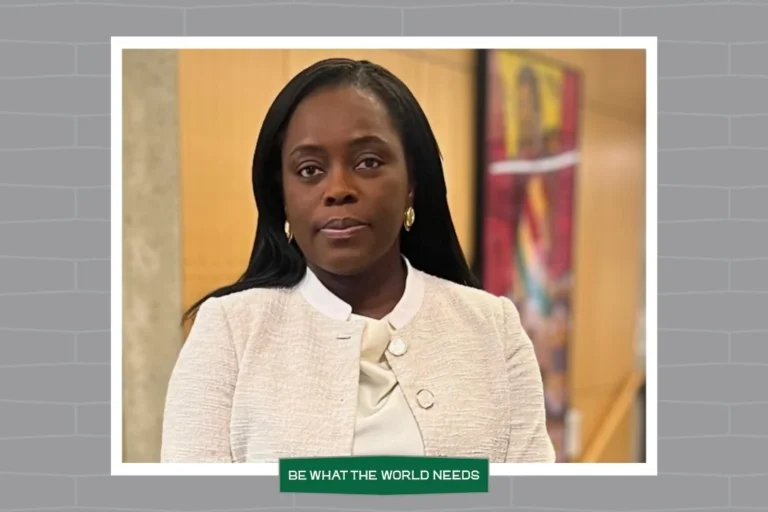
A Nigerian-born academic is set to take on one of the most senior leadership positions at a Canadian law school, marking another milestone in the international career of Professor Ibironke Odumosu-Ayanu.

Odumosu-Ayanu has been appointed Dean of the College of Law at the University of Saskatchewan, where she will serve a five-year term beginning October 1, 2026.

The University of Saskatchewan announced her appointment on September 1, with Patti McDougall, interim provost and vice-president, academic and chair of the dean search committee, describing Odumosu-Ayanu as an academic leader with a strong record in research, collaboration and graduate education.

She will succeed Martin Phillipson, who completed two five-year terms as dean.

Odumosu-Ayanu has been a member of the University of Saskatchewan College of Law since 2008 and currently serves as its Associate Dean of Research and Graduate Studies.

Her academic work has established her as an internationally recognised scholar in business and human rights, areas that sit at the intersection of law, corporate responsibility and global development.

Her move into the deanship is a continuation of a career that has combined scholarship with academic leadership.

The university said her appointment will build on the College of Law’s reputation in legal education and research while strengthening its work in Indigenous legal scholarship and engagement with local and global communities.

For a Nigerian-born academic, the appointment also highlights the increasingly global pathways available to scholars whose expertise travels across borders.

Leadership positions such as deanships do more than recognise individual academic achievement. They influence the direction of institutions, the research they prioritise, the students they develop, the partnerships they build and the contribution they make to society.

Odumosu-Ayanu’s new role therefore extends beyond a personal career milestone.

It places her in a position to influence the future of legal education and research in Canada while bringing an international perspective shaped by her background and scholarship.

Her academic focus on business and human rights is particularly relevant in a world where companies increasingly operate across jurisdictions and where questions around corporate responsibility, sustainability, inequality and human rights are becoming central to public policy and economic development.

Stories such as Odumosu-Ayanu’s offer another perspective on the contribution of Nigerians to institutions and professional communities around the world.

From classrooms and research centres to boardrooms and public institutions, Nigerian professionals continue to occupy influential positions across global systems.

But the significance of such appointments is not simply that a Nigerian has reached a senior position abroad. It is also about what happens when expertise developed across different contexts is brought into institutions serving increasingly interconnected societies.

Odumosu-Ayanu’s appointment comes with the opportunity to shape research, mentor the next generation of legal professionals and strengthen connections between legal scholarship and the wider challenges facing communities in Canada and beyond.

As she begins her five-year term in October, her journey from Nigeria to the leadership of a Canadian law school offers a powerful reminder of how far academic expertise can travel and how much influence one scholar can have when scholarship is combined with leadership.

For Ibironke Odumosu-Ayanu, the next chapter is not simply about leading a law school. It is about helping shape the kind of legal education, research and leadership that the next generation will inherit.

SAGENEL (Nkechi Emmanuel-Layode): A Decade of Faith, Resilience and the Courage to Keep Building

0

There are beginnings that announce themselves. And then there are beginnings so small that, at the time, almost nobody can see what they might become. On January 10, 2016, fewer than 20 women gathered on WhatsApp around an idea that would become WONDIVA Global Community. There was no way of knowing then that this small beginning would grow into a community of thousands, with more than 50 volunteers, multiple expressions and programmes, and a decade-long story of women finding identity, direction, connection and purpose. But perhaps that is the thing about meaningful work: it does not always begin with a grand entrance. Sometimes, it begins with one person seeing a need and deciding that something should be done about it.

That person was Nkechi Emmanuel-Layode, fondly known as SAGENEL. And ten years later, the story of WONDIVA cannot be told without telling the story of the woman who has spent a decade building it. Not simply because she founded it, but because the work has become deeply intertwined with her own journey of becoming. Nkechi has always seemed drawn to the spaces where people are trying to understand themselves, their relationships, their work, their purpose and the possibilities ahead of them. Her work has therefore never been confined to one title. She has been a counselor, author, community builder, leadership practitioner, media personality, mediator, educator and technology creator. Beneath all of these expressions, however, is one consistent thread: people.

She has built around people for years. She has written for them, counseled them, taught them, spoken to them, created communities for them and designed systems intended to help them move from where they are to where they can become. Her work reflects a particular fascination with the architecture of human potential: what shapes a person, what holds them back, what helps them flourish, and what happens when they finally begin to see themselves differently.

It is part of what makes WONDIVA such an important reflection of its founder. What started as a WhatsApp community has evolved into something far more expansive, serving women across different seasons and circumstances of life. Students. Singles. Wives and mothers. Businesswomen. Career women. Women seeking spiritual development, personal growth, relationship wisdom and leadership. Over the years, WONDIVA has developed different expressions to meet people where they are, but the underlying idea has remained remarkably consistent: helping women see themselves as God sees them and live from that understanding.

But there is another part of this story that numbers cannot capture. Ten years of building anything is rarely ten years of smooth sailing, and Nkechi’s journey has been no different. There have been seasons of uncertainty, disappointments, difficult decisions and moments when the weight of what she was carrying must have felt heavier than what anyone outside the room could see. There have been things that did not work, plans that had to change, doors that did not open and moments that demanded that she find the strength to begin again. Yet, somehow, she kept returning to the work.

That may be one of the most remarkable things about her story. She did not build WONDIVA because she had figured everything out. She built while figuring things out. She grew while growing the community. She learned while teaching. She evolved while asking other women to evolve. And when life required her to stretch, she stretched. When something had to be rebuilt, she rebuilt it. When a chapter ended, she found the courage to turn the page without pretending that the previous one had not mattered.

There is resilience in that kind of becoming. Not the loud kind that announces itself, but the quieter kind that gets up again. The kind that keeps showing up when there is no guarantee that the next attempt will be easier. The kind that understands that purpose is not always proved by how quickly something succeeds, but sometimes by how unwilling you are to abandon it when it becomes difficult.

Perhaps this is why the story of WONDIVA at ten feels so deeply connected to the story of Nkechi herself. The community has had to evolve, and so has the woman who started it. Neither has remained exactly as they were in 2016. What began with fewer than 20 women on WhatsApp has become a growing ecosystem of women, programmes, expressions and opportunities. And the woman behind it has, over those same years, moved through different seasons of professional and personal formation, becoming a Licensed Marriage and Family Therapist, authoring more than 35 books and workbooks, working across counseling, mediation, leadership and governance, stepping into media, building technology solutions and continually finding new ways to serve people.

Nkechi Emmanuel-Layode

Her professional journey tells its own story of curiosity and reinvention. She has worked in counseling and family development, built expertise in mediation and negotiation, entered spaces concerned with leadership and nation building, hosted and contributed to media programmes, and created technology solutions designed to support the work of counselors and emotional wellness. The surface details may look like separate achievements, but underneath them is a woman repeatedly asking the same question in different forms: How can people be helped to live, relate, lead and become better?

That question has taken her into rooms that are deeply personal and others that are decidedly structural. Into conversations about relationships and marriage, but also leadership and governance. Into books and workbooks, but also technology. Into community building, but also professional practice. And perhaps this is why the idea of a “legacy system” matters so much in understanding her work. Nkechi does not appear to be interested only in doing good work in her own lifetime. She is interested in creating structures, resources, communities and systems that can continue to help people beyond a single moment.

That is what makes ten years significant.

Because WONDIVA is not simply an online community that survived for a decade. It is evidence of what can happen when an idea is nurtured long enough to become an institution. It is evidence that community can be more than an audience. It can become a place where people grow, find language for what they are experiencing, encounter new possibilities and discover that they are not alone.

And behind that community is a woman who has had to keep becoming herself while helping other people become themselves.

There is something deeply human about that.

We often tell stories about builders as though they stood outside the things they built, untouched by the process. But real building changes the builder too. Ten years of listening to women, carrying responsibility, navigating disappointment, creating again, learning, leading, counseling, writing, speaking and serving cannot leave a person exactly as they were. The work shapes you. The people shape you. The failures shape you. The seasons you survive shape you.

And so, when Nkechi speaks about building a legacy system for women, families, organisations and nations, it is difficult to separate that ambition from the evidence of her own life. She has spent the last decade constructing systems for others while, in many ways, becoming a more complex system herself, one shaped by experience, faith, professional discipline, relationships, leadership, setbacks, reinvention and an enduring willingness to keep going.

That willingness matters.

Because resilience is not the absence of difficulty. It is what happens when difficulty does not get the final word.

For Nkechi, the last ten years have not simply been about maintaining something she started. They have been about repeatedly finding the courage to expand the vision without losing the heart of it. WONDIVA has grown, but so has she. Her work has widened from community to counseling, from books to media, from leadership to technology, from individual transformation to systems and structures. Yet the centre remains the same: helping people become more fully who they were created to be.

Now, WONDIVA stands at ten.

The anniversary theme, “The Magnificence of God,” feels fitting for a journey that began with fewer than 20 women and has continued to unfold across a decade. From October 28 to 31, 2026, women connected to the community will gather at Redemption Camp in Ogun State for a 10th Year Anniversary Retreat and Celebration, a few days of prayer, worship, healing, sisterhood, laughter, deep conversations, leadership, connection and reflection, culminating in an anniversary dinner and thanksgiving.

But perhaps the most meaningful thing about an anniversary is not simply looking at what has been built. It is looking back at the person who had to build it.

Nkechi Emmanuel-Layode

Ten years is a celebration. But for Nkechi Emmanuel-Layode, it is also evidence. Evidence that resilience can outlive difficult seasons. Evidence that purpose can survive uncertainty. Evidence that a small beginning does not have to remain small. And evidence that sometimes, the people who spend their lives building others are quietly being built into something greater themselves.

Ten years ago, fewer than 20 women gathered on WhatsApp. They could not have known what that small beginning would become. They could not have seen the thousands of women who would eventually find their way into WONDIVA, the communities that would grow around it, the programmes that would emerge, or the woman Nkechi herself would become along the way. They simply began.

And perhaps that is what makes this story so powerful. The beginning did not look extraordinary. The commitment did.

On January 10, 2016, it was fewer than 20 women and a WhatsApp community. Ten years later, it is WONDIVA, a community, an ecosystem and a decade-long testament to what can happen when someone refuses to abandon what they believe is worth building.

And Nkechi is still here. Still learning. Still creating. Still serving. Still becoming. Still building.

The story that began with fewer than 20 women is not finished.

If that small beginning could become this much in ten years, the question is no longer simply what WONDIVA has become.

It is what might become possible in the next ten years because she refused to give up.

New Lagos Initiative Opens Global Market Pathways for African Startups

0

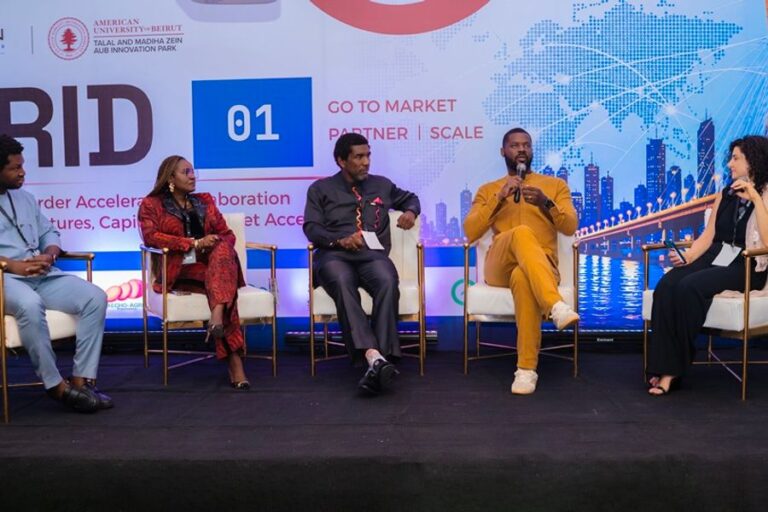
African startups looking to expand beyond their home markets now have a new pathway to access customers, investors, industry partners and market expertise, following the launch of GRID 01 in Lagos.

The initiative, a collaboration between AXON Accelerator Limited and the Talal and Madiha Zein AUB Innovation Park (AUB iPark) of the American University of Beirut, was officially launched in Lagos on September 1, 2026.

GRID 01 is designed to address one of the major challenges facing African startups: moving from having a promising solution to successfully entering and operating in a new market.

Rather than offering founders support from a distance, the initiative combines AUB iPark’s venture-building programmes and international ecosystem with AXON’s local knowledge, business networks and on-the-ground support in Nigeria.

Nigeria is the first market in AXON’s wider Africa mandate, with plans to extend the model to additional African markets.

For many startups, international expansion can be difficult not because the product lacks potential, but because founders may not understand the new market, know the right people or have access to customers, partners and investors.

GRID 01 is designed to help close that gap.

Participating ventures can receive market-entry and commercialisation support, local mentorship, introductions to potential customers and corporate partners, access to investor networks and guidance on the practical realities of establishing operations in Nigeria.

Rabie Jarmakani, CEO and Founder of AXON Accelerator Limited, said the initiative would focus on helping startups move beyond theory and gain access to real businesses and markets.

According to Jarmakani, AXON brings decades of operating experience in Nigeria and intends to use its business relationships to help founders test and scale their solutions in the market.

“We can offer real-life experience, not theoretical experience,” he said, explaining that AXON would connect startups with businesses and B2B opportunities in Nigeria.

Jarmakani added that AXON is also exploring the creation of a dedicated investment fund to support Nigerian and other African startups alongside its accelerator activities.

The decision to begin GRID 01 in Nigeria reflects the country’s importance within Africa’s startup ecosystem.

Maha Zouwayhed, Director of Zein AUB Innovation Park and Digital Accessibility at AUB, said Nigeria was selected because of the scale and activity of its startup ecosystem, with Lagos representing a particularly significant centre of entrepreneurial activity.

She explained that the ambition is to create a bridge through which founders can move between ecosystems, gaining access to markets, capital and strategic industry relationships.

“We will grow startups from all over Africa through this hub to connect with key markets, key capital and key industry partners,” Zouwayhed said.

The initiative is therefore intended to work in both directions: helping startups from other markets enter Nigeria while creating opportunities for African ventures to access international networks beyond their home countries.

GRID 01 is launching with entrepreneurs supported through the Mastercard Foundation Scholars Program Entrepreneurship Fund at AUB, including ventures from Africa and Lebanon.

The programme is built around direct engagement with the market.

Founders participating in the Lagos activation are expected to interact with Nigerian investors, entrepreneurs, corporate leaders, mentors and ecosystem partners through market-entry sessions, advisory engagements, introductions and meetings.

The model is deliberately practical: founders test assumptions, learn from the market, build relationships and identify opportunities that can support their next stage of growth.

Raya Kalash, Associate Director of the Mastercard Foundation Scholars Program at AUB, said the initiative reflects the growing need to move beyond traditional employment pathways and invest in entrepreneurship, skills, finance, networks and market access.

She linked the programme to the Mastercard Foundation’s Young Africa Works strategy, which seeks to enable 30 million young Africans, particularly young women, to access dignified and fulfilling work by 2030.

The launch of GRID 01 comes at a time when African startups are increasingly looking beyond their domestic markets for customers, capital and strategic partnerships.

Yet the continent’s startup ecosystems remain fragmented, making cross-border expansion challenging for founders who lack local networks and market knowledge.

GRID 01 seeks to make those connections more accessible by bringing international venture-building expertise together with people and organisations operating within local markets.

The collaboration also positions Lagos as more than a destination for investment. It presents the city as a potential launchpad through which founders can test products, build commercial relationships and access wider African markets.

For AXON and AUB iPark, the immediate priority is execution: working directly with founders, understanding what they need to enter new markets successfully and using those lessons to strengthen the model as GRID expands.

As the initiative develops beyond Nigeria, its broader ambition is to create stronger connections between African entrepreneurs and innovation ecosystems across Africa, the Middle East and other global markets.

GRID 01 is ultimately built around a simple idea: great African startups should not be limited by the borders of the market in which they began.

By connecting founders to the people, knowledge, customers, capital and partnerships they need to expand, the initiative aims to make cross-border growth a more practical possibility for the next generation of African businesses.

Adoo Atera: From Academic Excellence to Becoming a Changemaker

0

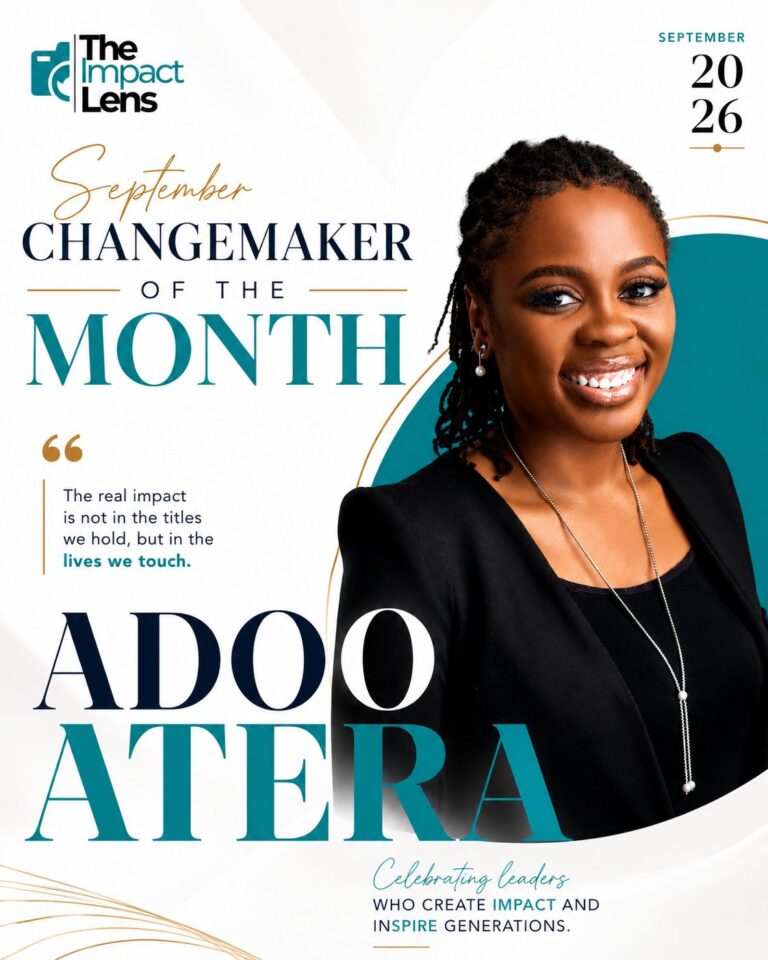
Changemaker of the Month | September 2026

Adoo Atera is the kind of person whose achievements can easily tell only half the story.

On paper, there is a lot to notice. Academic excellence. Multiple First Class achievements. Volunteering. Mentoring. Facilitation. Research. Spoken word. Public speaking. Moderation. Work with young people and involvement in conversations around education, technology and social change.

But spend a little more time with her story and another picture begins to emerge.

What stands out is not just how much Adoo has achieved, but what she has chosen to do with what she has learned along the way. She has consistently found ways to give her time, knowledge and skills to other people. She has volunteered, mentored young people, taught children, facilitated conversations and supported causes that matter to her.

For Adoo, excellence has never seemed to be the end of the journey. It has been something she can use in service of others.

That is what makes her story interesting.

Because there are many brilliant young people. There are many people who volunteer. There are many people who can speak well, moderate a room or put together an impressive academic record. What is less common is seeing all these things come together in one person, and seeing them connected by such a strong thread of service.

And that thread has been there for longer than many people may realise.

When Adoo was still waiting for university admission, she returned to her former school and led a three-week leadership training for 35 prefects. She was only 18. She did not yet know what her own academic and professional journey would become, but she already understood something important: you do not have to have everything figured out before you can be useful to someone else.

That willingness to be useful has continued to show up in different ways throughout her journey. Her volunteering has taken her into spaces where she could mentor young people, support community initiatives and share practical skills. She has volunteered with Youngstars Development Initiative, contributed to The Adekunle Child Foundation, facilitated skills for children through Inspiration Life Community Church and volunteered with Beyond the Classroom Foundation.

One of the details that stayed with me is that she once volunteered to teach eight children how to make bead necklaces, table mats and slippers. It is easy to overlook something like that when there are bigger achievements to talk about, but I think it tells us a lot about her. Service is not always about leading a major project or standing on a large stage. Sometimes, it is simply having something useful to offer and being willing to give it.

Adoo has also spoken about the value of volunteer time and the importance of recognising that people are already giving something valuable when they give their time, energy and skills. I find that perspective particularly interesting because volunteering is sometimes treated as though the volunteer should simply be grateful for the opportunity. Adoo’s thinking challenges that. If someone chooses to give their time to an organisation or cause, that contribution has value, and it should be respected.

Her approach to service also comes through in the way she thinks about development work. Adoo has challenged the idea that passion alone is enough to create meaningful impact. Passion may get you started, but there is still the work of fundraising, building and managing teams, documenting what you do, measuring results and asking whether what you are doing is actually making a difference.

That is a very practical way of looking at social impact. She cares about the work, but she also cares about whether the work works.

The same thinking comes through in her views on risk. While some people hear “assess the risk” and immediately think someone is being negative, Adoo sees it as part of responsible leadership. You can be optimistic about an idea and still ask what could go wrong. You can believe strongly in a cause and still take time to think through how you are going to deliver it. In development work, where resources are limited and the people being served cannot afford poorly thought-out interventions, that kind of thinking matters.

Adoo is also intentional about how impact is communicated. She has spoken about the difference between branding and lying in the development sector, making the point that organisations need to do the real work, gather real results and then communicate that work honestly. In a space where organisations are constantly trying to tell stronger stories about their impact, her position is refreshingly simple: the story has to be rooted in the work.

Do the work, then tell the truth beautifully.

That idea says a lot about the way Adoo approaches impact. She is not interested in making something look impressive when the work behind it is not there. The work comes first. The story follows.

And then there is her creative side.

Adoo has a strong relationship with words and public expression, including spoken word and public speaking, and she has developed experience as an MC and moderator. These may look like different interests, but there is a connection. They all require the ability to communicate, listen and connect with people.

Her work as a moderator has taken her into conversations around creativity, capital, artificial intelligence, digital inclusion, youth development and the future of work. Being a good moderator is not just about holding a microphone. You have to listen carefully, understand the subject, ask questions that move a conversation forward and know when to let someone else’s voice take centre stage.

Adoo has increasingly found herself in that space, using communication as another way to contribute to conversations that matter. She can bring structure to a conversation, but she can also make room for other people to shine. That is a different kind of leadership, and one that is easy to underestimate.

There is also a more personal side to the way she uses her voice.

Adoo has spoken openly about the negative words spoken to her as a child and the effect those words had on her as she grew older. She has shared her journey of confronting those words and refusing to allow them to define her, while also encouraging adults to think more carefully about what they say to children.

That is a vulnerable thing to share publicly. But it also connects deeply with the work she does around young people. There is a difference between telling people that words matter and knowing personally what it feels like when they do.

Her interest in young people runs through almost every part of her journey. Whether through mentoring, volunteering, facilitation or conversations about education and the future, Adoo keeps finding herself in spaces where young people are learning how to navigate the world and figure out who they want to become.

And perhaps this is one of the things I find most interesting about her. She understands that young people do not only need information. They need people who will listen to them, guide them, teach them, encourage them and sometimes simply remind them that they are capable of more than they currently see.

Her own journey gives her a personal understanding of that process. She knows what it feels like to be young and still figuring things out. She also knows what it means to have someone open a door, create an opportunity or simply believe that you have something valuable to offer.

Looking at Adoo’s journey as a whole, it would be easy to describe her with a long list of impressive words: academic, volunteer, facilitator, researcher, moderator, creative and changemaker. But what connects all these things is service. Not service as a word that sounds good in an organisation’s mission statement, but service as a repeated choice to give your time, share your knowledge, create opportunities, ask difficult questions and make room for other people.

That thread was already visible when she was 18 and returned to her former school to train 35 prefects. It is visible in the young people she has mentored, the children she has taught, the organisations she has supported and the conversations she has helped facilitate. It is also visible in the way she thinks about impact.

Adoo is not interested in simply being busy or being associated with good causes. She wants the work to be useful, honest and meaningful. She wants people to be able to point to something real and say, this made a difference.

And this is where her academic excellence and her work as a changemaker come together. Adoo has achieved a lot academically, but what I find even more interesting is what she has chosen to do with that knowledge. She has used it to teach, to volunteer, to mentor, to facilitate conversations and to contribute to the lives of other people.

She can be ambitious about her own growth while still creating room for others to grow. She can take her education seriously without making her achievements the end of the story. She can pursue excellence and still ask, “What can I do with this that will be useful to someone else?”

That question seems to sit quietly underneath so much of what she does.

And when you look back at that 18-year-old Adoo, waiting for university admission but choosing to return to her former school to train 35 prefects, the picture becomes clearer. She did not need to have the rest of her life mapped out before she could contribute. She simply saw something she could do and did it.

Years later, the platforms are bigger, the conversations are broader and the experiences are richer, but that part has remained.

She still shows up. She still contributes. She still looks for ways to make what she knows useful to someone else.

That, to me, is the real story behind the achievements.

Adoo Atera is not simply someone who has excelled academically. She is someone who has continued to turn that excellence outward. Her achievements tell us what she is capable of. Her volunteering tells us what she chooses to do with that ability. Her creativity gives her a voice, and her commitment to service gives that voice somewhere meaningful to go.

And when you put all of that together, we come back to where we started.

Adoo is the kind of person whose achievements can easily tell only half the story.

The degrees, awards, platforms and titles matter. They tell us about her discipline, intelligence and capacity. But the volunteering, the mentoring, the children she has taught, the conversations she has helped shape and the people she continues to make room for tell us something deeper.

They tell us what she does with what she has.

And that is what makes Adoo Atera a changemaker.

Adoo Atera

THE COURAGE TO GROW: A CONVERSATION WITH GLORIA HAUWA GBEMUDU

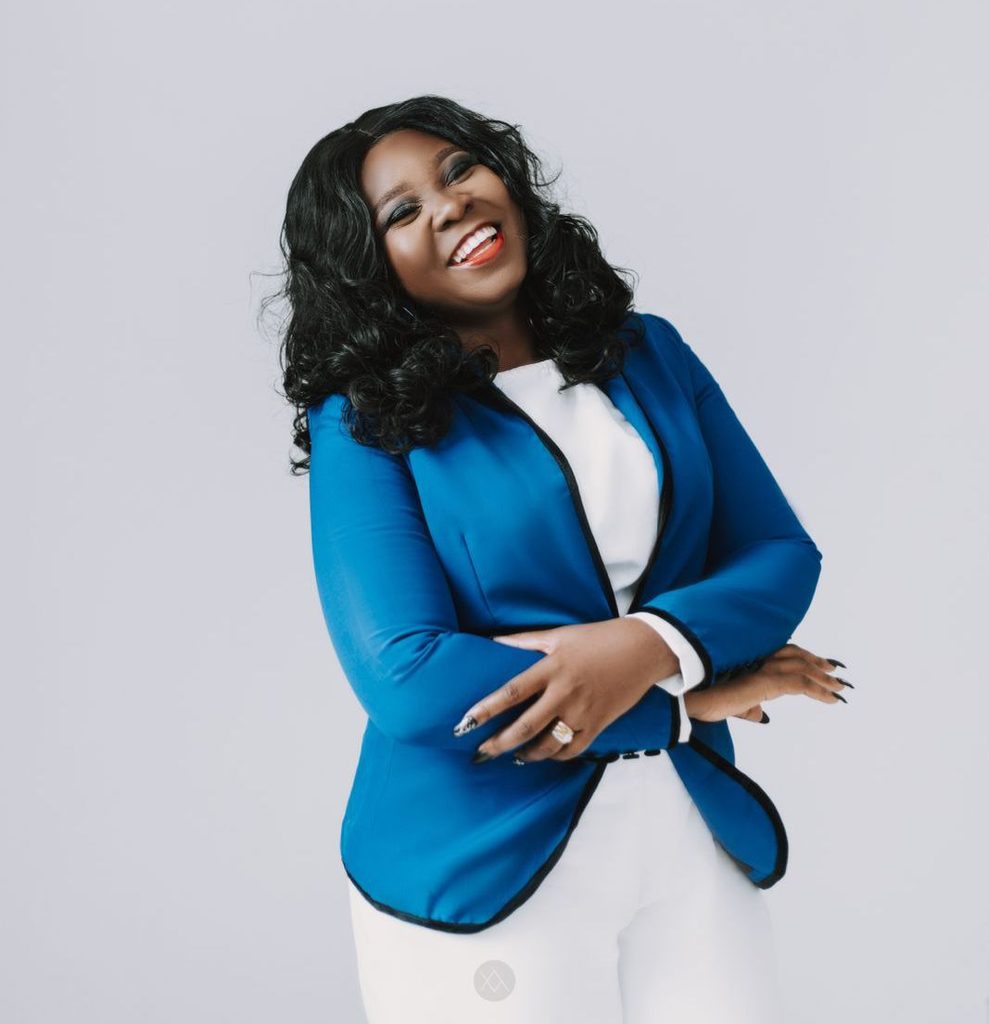
Gloria Hauwa Gbemudu is a Nigeria-based leadership coach and an ICF Professional Certified Coach (PCC) with more than a decade of experience spanning corporate leadership, sales, business development and professional coaching.

Before moving into coaching, Gloria spent 16 years working across telecommunications, oil and gas, aviation, sales and business development. Since 2017, she has served as Lead Coach with MarkOwens Coaching and Leadership, working with Fortune 500 and blue-chip organisations across Nigeria, Europe and the United States.

Her work today focuses on leadership, personal development and helping people navigate the internal questions that often sit beneath professional success. She has accumulated more than 1,800 hours of coaching experience and has contributed her expertise through mentoring, pro-bono coaching, leadership development and service to the coaching profession.

Gloria also serves on the Board of Directors of The Nigeria Chapter of ICF as the Director of Membership

But behind the credentials is a woman whose understanding of leadership has been shaped by faith, family, culture, career, relationships, responsibility and loss.

In this conversation with The Impact Lens, Gloria opens up about the experiences that shaped her, the lessons she carried from 16 years in corporate life, what drew her into coaching, why achievement does not always quiet self-doubt, and what she has learned about helping people trust themselves and grow.

TIL 1: Gloria, if we temporarily put aside the titles, certifications and professional achievements, what experiences have most shaped the woman you are today?

CGG: The experiences that have shaped me most began with my upbringing.

My late father, Rev. Victor Musa, was a clergyman, and my mother, Mary Musa, was a homemaker. They were exemplary parents who modelled for me what it meant to live a genuine, God-centered life. Faith wasn’t something they simply talked about; it was how they lived. Ours was also a very musical family, filled with faith, songs and so many precious memories.

That foundation was reinforced by my education. All the schools I attended growing up were missionary schools, and they had a profound impact on my values and worldview.

I started at Kent Academy, an American missionary boarding school in Nigeria for children whose parents were serving on the mission field in Africa. The curriculum and much of the culture were American. I gave my life to Jesus at about six years old, and those early years were filled with Christian teaching, music and values that have stayed with me. I also formed friendships there that I still treasure today.

While I was at Kent, my father went to Bible school in South Carolina, and our family joined him in the United States for a year. To my young mind, it was the best year ever. I didn’t want to come back to Nigeria! But that exposure to another culture broadened the way I saw the world and shaped many of the perspectives I carry today.

Then came Baptist High School, another missionary school, but culturally it was a completely different experience. I went from an almost entirely American environment to a very Nigerian one. It was quite a culture shock, and even the food was a rude awakening! Yet it taught me independence, resilience and a much deeper understanding of Nigerian life and culture. It also gave me some of my strongest friendships. There is a group of girls, now women whom I met there that are still a large part of my life today.

University was another important chapter. At the University of Jos, I experienced greater freedom and began to understand something that has stayed with me ever since: with freedom comes responsibility, great responsibility. Once again, I formed friendships that have endured through the years.

My relationship with God and my family, my parents, siblings, husband and children, has perhaps been the greatest influence on who I am. These relationships have shaped my purpose and the way I love, speak, respond, aspire and show up in the world. They make me want to keep becoming a better person and have influenced many of the choices I make.

And then, this year, I experienced one of the biggest and most painful shaping experiences of my life: the death of my precious father.

I don’t think I ever truly entertained the thought that my father would one day no longer be here. Of course, intellectually, we know that life ends, but knowing something and experiencing it are two very different things. Losing him confronted me with the reality that even a life filled with love, faith and beautiful memories will also hold loss.

It has made me look differently at what really matters. More than ever, my focus has shifted towards eternity, towards living this life with an awareness that it is not all there is. It has made me more intentional about the people I love, the things I give my energy to and the kind of life I want to live. In a very painful way, my father’s death is still shaping me.

My career has shaped me too. Every job, every season, every lesson and many of the people I have encountered along the way have influenced the decisions I have made and the direction my life has taken.

When I look at it all, I realise that who I am today has been shaped by faith, family, culture, friendship, responsibility, love and loss. And perhaps what I am learning now is that we never really stop being shaped. Life continues to teach us what matters, who we are and, for me, where my ultimate hope lies.

TIL 2: You spent 16 years working across telecommunications, oil and gas, aviation, sales and business development. When you look back at those years now, what did that season teach you about ambition, people and leadership that you could not have learned anywhere else?

CGG: Those 16 years taught me lessons about ambition, people and leadership that I don’t think I could have learned from a classroom.

On ambition, I learned that ambition must be driven by you. If there is no internal desire to aspire, grow and stretch yourself, it is very easy to simply blend into the crowd. But I also learned that ambition alone is not enough. You need people. Building alliances, both within and outside your organisation, matters. You cannot go very far entirely on your own. The right relationships can become part of the ladder that helps you rise.

On people, I learned that people can surprise you, in both directions. Some people you are convinced are for you may eventually show you that you thought wrong. But people can also be your greatest advocates, supporters and assets. So I learned to build authentic relationships and, importantly, to use things, not people. Genuine relationships should not be transactional. Some of the relationships I built during those years have lasted far beyond the jobs themselves.

And leadership? I learned that leadership can make or break you, at least temporarily. I experienced leadership that brought out the best in me, and I also experienced leadership that taught me what I never wanted to reproduce for someone else.

So my philosophy became quite simple: when you experience great leadership, pay it forward, with change to spare. When you experience poor leadership, learn from it and determine to do better for the people you will one day lead.

Looking back, those years taught me that ambition may start with you, but very little of significance is achieved by you alone. People matter. Relationships matter. And the way we lead people can leave an impact long after the job itself is over.

TIL 3: You eventually moved from a successful corporate career into professional coaching. What had changed inside you by the time you made that decision, and what were you searching for that your previous career could no longer give you?

CGG: Great question!

What had changed most inside me was my tolerance for living below my potential. I had reached a point where I could no longer comfortably remain in a place where I felt I was not fully using who I was or what I had to offer.

I was searching for a space where I could be my authentic self, live my values more fully without compromise. I had become tired of workplace politics and, particularly at that time, the environment I was working in. Something in me was saying, there must be more than this.

I wanted work that felt meaningful to who I was at my core, work that allowed me to use more of myself, make a real difference in people’s lives and feel that what I was doing was aligned with who I was becoming.

Coaching became that place for me.

Looking back, I don’t think I was simply leaving a corporate career. I was moving towards a version of myself that I was no longer willing to leave unexplored.

TIL 4: Coaching gives you access to conversations that people may never have with their colleagues, friends or even families. After more than 1,800 hours of coaching, what have you discovered about successful people that might surprise those who only see their achievements from the outside?

CGG: One of the biggest things I have discovered is that success is very much an internal journey, regardless of what the external evidence may suggest.

Many highly successful people still doubt themselves. They have very human fears, insecurities and questions that can genuinely keep them awake at night. They wonder whether they are good enough, whether they are making the right decisions, whether they can handle the next level, or whether they truly deserve to be where they are.

From the outside, you would never imagine it. You see the position, the achievements, the confidence, the influence, and assume that the person experiencing all of that must feel as successful on the inside as they appear on the outside.

Often, they don’t.

After more than 1,800 hours of coaching, I have learned that achievement does not automatically silence self-doubt. Sometimes the higher people climb, the more there is to lose, the greater the expectations become, and the more privately they wrestle with themselves.

Perhaps that is what has surprised me most: behind impressive achievements are still very human people.

TIL 5: We often assume that competence eventually produces confidence. But you work with people who may have the credentials, experience and track record to prove they are capable and still struggle to trust their own judgement. What do you think creates that disconnect between what a person has achieved and what they believe about themselves?

CGG: I think one of the biggest disconnects is the assumption that competence will automatically produce confidence. They can certainly reinforce each other, but one does not simply replace the other. They need to work hand in hand.

You can have years of experience, credentials and a strong track record and still struggle to trust yourself. Part of the reason is our inability to gather enough evidence to challenge our automatic negative thoughts.

In the moment, a thought can feel like the whole truth: I got this wrong, therefore I’m not good enough. I struggled with this, therefore I’m not ready.

One mistake can quickly become a story that defines how we see ourselves, despite years of evidence that suggests otherwise.

The interesting thing is that the evidence is often already there. But so many of us are running through life, moving from one responsibility to the next, without creating the space to step back, reflect and ask, “Is what I am telling myself actually true? What does the evidence say?”

Competence gives us evidence of what we can do. Confidence also requires us to recognize, internalize and trust that evidence. When we don’t, our achievements can tell one story while the story we believe about ourselves tells another.

For me, that is where the disconnect lies.

Sometimes you might not even have the evidence to support the competence you have gained, you just have to step out courageously with the mindset that even if you fail, that in itself is information you can use to keep moving forward. Confidence will come after you keep trying and find out “I can do this” So, another disconnect between Competence and confidence is lack of consistent courageous action even if you feel you will fail.

TIL 6: Women are often told to be more confident, more visible and more assertive. But what if the issue is not simply confidence, but the expectations women have been taught to carry into leadership? What have you observed about the tension between being successful and still feeling the need to be acceptable?

CGG: The tension is very real. When the desire to be acceptable requires you to move further and further away from your authentic self, it creates an internal tension that can be exhausting and difficult to sustain.

There are behaviors that leadership requires, visibility, assertiveness, communication, influence, decision-making, but I don’t believe they all have to be demonstrated in one so-called “acceptable” way.

An extroverted leader may approach visibility very differently from an introverted leader. One may command a room through energy and presence; another may build influence through thoughtful contributions, strong relationships and carefully chosen moments to speak. Both can be effective.

I think some of the tension for women comes when we confuse what leadership requires with how we have been told a leader should look or behave.

Understanding who we truly are gives us the confidence to ask, “How can I meet the demands of leadership without abandoning myself in the process?”

For me, that is the goal: not to reject what leadership requires, but to find an authentic way of delivering it and still achieving the expected results.

whatsapp image 2026 08 18 at 4.22.57 pm (1)

TIL 7: There is a particular kind of woman who becomes indispensable, she is dependable, capable, available and often the person everyone turns to. At what point can that strength become a limitation, and what does it take to step out of that role without feeling that you are letting people down?

CGG: I think that strength becomes a limitation when being dependable starts to mean always being available, regardless of the cost to you or to the growth of the people around you.

For many women, saying no can immediately feel like, “I’m letting someone down.” But what if sometimes saying no actually means, “I’m helping you up”?

Perhaps I am giving you the opportunity to build the muscle to do this yourself. Perhaps my answer isn’t “no,” but “not right now.” Perhaps I can’t do it for you, but I can point you towards someone who can help. And sometimes, perhaps you simply need the opportunity to figure it out for yourself.

Being indispensable can feel like a strength, but it becomes a limitation when the people around us cannot grow because we are always stepping in. It becomes a limitation when we are buckling under the weight of proving that we are always available. That simply isn’t sustainable.

And sometimes you know you have crossed that line when you begin to feel resentful towards the very people you keep saying yes to. They may not be the problem. Perhaps we simply haven’t been brave enough to say, “I can’t do that.”

There are also times when we must put on our own oxygen mask first. Not because we care less about others, but because continually pouring from an empty place eventually leaves us with very little to give.

So stepping out of the role of “the one who always handles everything” doesn’t necessarily mean letting people down. Sometimes it means allowing other people to step up.

TIL 8: Your contribution goes beyond individual coaching. You have given your expertise through pro-bono coaching, social-impact initiatives, mentoring and coach development. What responsibility do you believe people with experience and expertise have to make that knowledge available beyond the people who can afford to pay for it?

CGG: I believe that when we have gained experience and expertise, we have a responsibility to find ways of making some of that knowledge accessible beyond the people who can afford to pay for it.

That can take many forms. We can offer our services pro bono or low bono. We can mentor others, contribute to social-impact initiatives, or create more scalable and affordable ways for people to access what we know.

But I also believe sharing knowledge itself is a form of giving.

We can speak, write, teach and keep conversations going about what we have learned and the value our experience can bring. Not everyone may be able to sit across from us as a paying client, but they may read something we have written, hear us speak, attend a community program or encounter an idea that changes what they believe is possible for themselves.

For me, where there is knowledge, there is light. And sometimes that light is all someone needs to begin asking better questions, aspiring to something more, or seeking out the knowledge and support that can help them grow.

I don’t believe expertise should only create value for the person who possesses it. Some of it should find its way back into the world that helped us acquire it.

TIL 9: When you look across the different chapters of your life, from corporate professional to coach, mentor, trainer and leader within the Nigerian Chapter of ICF, what is the deeper thread connecting all of them? What do you think you have really been building all along?

CGG: When I look across the different chapters of my life, from corporate professional to coach, mentor, trainer and leader within the Nigerian Chapter of ICF, the deeper thread connecting them all is helping others grow.

That thread has been present in every role I have held. Whether I was working in a corporate environment, coaching an individual, mentoring someone, facilitating learning or serving within the ICF community, I have always been drawn to helping people develop, gain clarity and move towards their potential.

But there is another thread that feels just as important: creating safe spaces where people can truly be themselves.

I have always valued the power of listening, not simply hearing what someone says, but being fully present with them and creating an environment where they feel seen, respected and understood. When people trust that they will be actively listened to, they are often able to explore more honestly, ask deeper questions and consider possibilities they may not have allowed themselves to imagine before.

So, when I look at what I have really been building all along, I would say it is this: safe spaces where people can be listened to, supported and empowered to grow into who they have always wanted to be.

That has been the common thread across all the chapters of my life. And perhaps, at its heart, it is also a way of making knowledge, experience and encouragement accessible to others. I believe that when we gain experience and expertise, we have a responsibility to share some of it in ways that can help others move forward.

For me, where there is knowledge, there is light. Sometimes that light comes through a conversation, a coaching session, a training programme, a mentoring relationship or simply the experience of being genuinely heard.

And sometimes, that light is all someone needs to begin asking better questions, aspiring to something more or taking the next step towards becoming who they are capable of being.

TIL 10: Five years from now, when you look back at this chapter of your life, what do you hope you will have built, changed or contributed, and what would you like Gloria Hauwa Gbemudu to be known for by then?

CGG: Five years from now, I hope I will be able to look back and say, “I did more.”

I hope I will have created bigger safe learning spaces, at greater scale, where people can have honest, sometimes difficult, but ultimately life-changing conversations.

I want to have created more spaces where people feel safe enough to think differently, question what they have always believed about themselves, discover what is possible and grow.

I hope I will have contributed more thought-provoking insights, through coaching, mentoring, teaching, speaking and writing, that bring light, challenge thinking and ultimately transform lives.

And I want that impact to reach further. I don’t want the work I do to be limited only to the people I can personally coach or teach. I want to find ways to take these conversations, ideas and learning spaces to many more people.

As for what I would like Gloria Hauwa Gbemudu to be known for, the words that come to mind are authenticity, warmth, growth, wisdom and transformation.

But perhaps more than being known for those things, I would like people to say that they experienced them in their interactions with me, that they felt safe to be themselves, that something shifted in their thinking, that they saw themselves or their possibilities differently, and that somehow, after our paths crossed, there was a little more light.

If I can look back five years from now and see that I have done that at a much greater scale, I will know I have contributed something worthwhile.


As WONDIVA Turns 10, Leadership Institute Opens Free Cohort to Emerging Leaders

As WONDIVA Global Community marks a decade of building community, developing people and helping women discover purpose and influence, the organisation has opened applications for the third cohort of its WONDIVA Leadership Institute, a free leadership development programme for men and women seeking to grow into more capable and purposeful leaders.

The programme reflects an important dimension of WONDIVA’s next chapter: moving beyond creating spaces for personal growth to deliberately equipping people with the skills, relationships and practical exposure required to lead and build.

At the heart of the Institute is a simple proposition: leadership is more than position, ambition or a title. It requires the development of the person who carries the responsibility.

The programme is therefore built around four dimensions of development: character, competence, capacity and craftsmanship—the belief that effective leadership requires not only knowing what to do, but becoming capable of carrying responsibility and executing it with excellence.

Speaking about the vision behind the Institute, Nkechi Emmanuel-Layode (SAGENEL), Founder of WONDIVA Global Community, said:

“We believe leadership is not simply about having a position or being given a title. It is about becoming the kind of person who can carry responsibility, solve problems, influence people and create value. We want to help people develop both the capacity and the character to lead, while also giving them access to opportunities and relationships that can help them turn their vision into reality.”

The third cohort will explore areas including personal leadership and purpose, critical thinking and problem-solving, governance, entrepreneurship, communication and influence, project execution, innovation, technology and artificial intelligence, and the future of leadership.

But the Institute’s proposition extends beyond the classroom.

Participants will have access to internship placement opportunities with top-tier brands and individuals, purpose discovery, people capital to support their vision, certification and a global community of like-minded people with whom they can build relationships and potential collaborations.

This emphasis on access is significant.

For many emerging leaders, the challenge is not simply a lack of knowledge. It is the absence of exposure, relationships, practical opportunities and people who can open doors or help them navigate unfamiliar territory.

WONDIVA describes this as “people capital”, the relationships and networks that can become critical to turning an idea, ambition or vision into something tangible.

The Institute is open to both men and women, and is designed for students, interns, young graduates, professionals, entrepreneurs, creatives, teachers and others who believe they have something meaningful to build but need greater clarity, capacity and opportunity to take the next step.

The programme is particularly suited to people who want to change their communities, fulfil their purpose, build a legacy or develop a brand, organisation or initiative with wider relevance.

Making the third cohort 100 per cent free to join is also central to the programme’s proposition. WONDIVA is seeking to make structured leadership development and access to its network available without the financial barrier that can prevent promising individuals from participating.

The programme’s focus on practical exposure is equally deliberate. Through internship opportunities and connections with established professionals and organisations, participants can begin to test their abilities in real-world environments rather than keeping leadership development within the boundaries of a classroom.

For WONDIVA, this is part of a broader understanding of how leaders are formed: through character, knowledge, responsibility, experience and relationships.

The Leadership Institute comes at a significant moment for the organisation. In 2026, WONDIVA is celebrating ten years since its beginnings in 2016 as a WhatsApp community of fewer than 20 women.

A decade later, the community reports more than 3,500 members, 50+ volunteers and 10+ expressions, with its work extending across personal development, leadership, relationships, business, career and skills development.

The opening of a leadership institute to both men and women represents another evolution of that journey.

It signals an interest not only in helping individuals understand their potential, but in preparing them to carry responsibility, create solutions and contribute meaningfully to the world around them.

The third cohort is scheduled to begin in the first week of September 2026.

Interested participants can register through the programme’s registration platform or contact WONDIVA for enquiries, partnerships and support.

As WONDIVA enters its second decade, the Leadership Institute raises a question that goes beyond the programme itself:

What happens when people with purpose are given the character, competence, capacity, craftsmanship and connections to build?

For WONDIVA, the answer may be found in the leaders emerging from its next cohort.

Registration: Register for WONDIVA Leadership Institute Cohort 3

For enquiries, partnerships or support:

WhatsApp: +234 808 777 6755

WONDIVA Global Community

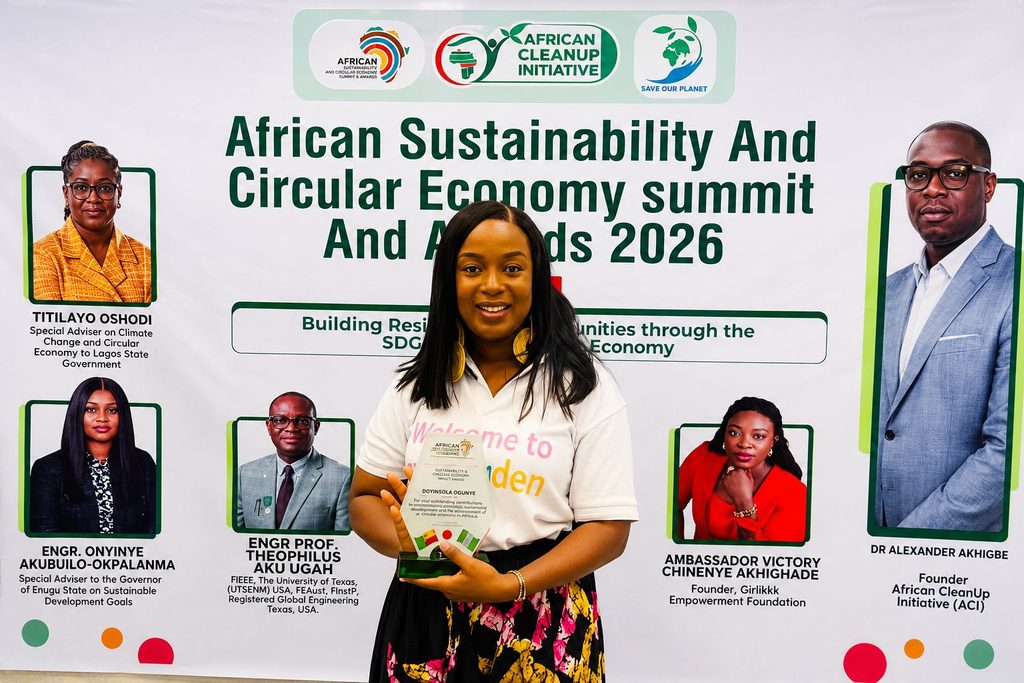
Doyinsola Ogunye, Other Nigerian Sustainability Leaders Honoured at African Sustainability and Circular Economy Awards in Cotonou

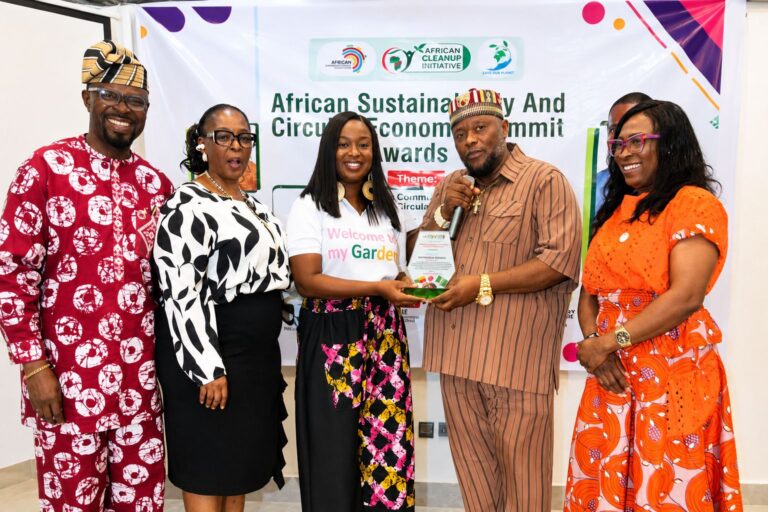
Nigerian conservationist and sustainability expert, Doyinsola Ogunye, has been honoured with the African Sustainability and Circular Economy Impact Award for her contributions to environmental protection, sustainable development and the advancement of circular economy practices across Africa.

Ogunye received the recognition at the African Sustainability and Circular Economy Summit and Awards 2026, held in Cotonou, Republic of Benin, alongside other Nigerian sustainability leaders and practitioners.

The awards, presented by the African CleanUp Initiative (ACI Nigeria), recognised individuals whose work is contributing to environmental protection, climate action, sustainable development and the transition towards more circular and resilient communities.

Among the other Nigerian recipients were Titilayo Oshodi, Special Adviser on Climate Change and Circular Economy to the Lagos State Government; Rashidah Omotola AbdulQuadri, Project Director, ATO Climate Educate; and Engr. Onyinye Akubuilo-Okpalanma, Special Adviser to the Governor of Enugu State on Sustainable Development Goals.

For Ogunye, the recognition reflects more than 16 years of work at the intersection of environmental protection, conservation and community development. Her work has spanned coastal conservation, recycling, waste-to-wealth initiatives, environmental education, habitat restoration, tree planting and community empowerment.

A defining feature of her work has been the deliberate inclusion of women, young people and local communities in environmental action—creating opportunities for them not only to participate in sustainability initiatives but also to benefit from emerging opportunities within the circular economy.

Speaking after receiving the award, Ogunye described the recognition as both a personal honour and a reflection of the collective efforts of the people and communities behind the work.

“I am deeply honoured to receive this recognition alongside some of the remarkable leaders and changemakers working in the sustainability space. This award is a reminder that the work we do for our environment matters and that collective action can create lasting change,” she said.

She expressed appreciation to the organisers, as well as the partners, volunteers, communities and organisations that have supported the initiatives she leads.

Doyinsola Ogunye

Ogunye also celebrated her fellow award recipients and the growing community of African environmental leaders working to develop locally relevant responses to the continent’s sustainability challenges.

The Cotonou summit brought together sustainability leaders, policymakers, innovators, development practitioners and other stakeholders to exchange ideas, strengthen collaboration and spotlight approaches capable of advancing Africa’s environmental future.

The recognition comes at a time when circular economy approaches are receiving increasing attention across Africa as countries seek to address environmental challenges while creating new economic and livelihood opportunities. The African Development Bank, for instance, has identified circular economy development as an important pathway for addressing environmental and economic challenges while supporting climate action, green growth and job creation.

For Ogunye, sustainability remains inseparable from community development and economic empowerment.

She reaffirmed her commitment to advancing environmental protection while building stronger opportunities for communities to participate in and benefit from Africa’s emerging green and circular economy.

She also commended the team behind the Cotonou summit, led by Dr Alexander Akhigbe, for creating a platform that recognises and amplifies African-led solutions to environmental and sustainability challenges.

The recognition of Ogunye and other Nigerian sustainability leaders at the continental gathering further highlights the growing role of African practitioners in shaping the continent’s response to climate change, environmental degradation and the transition towards more sustainable economies.

Future Pathways Foundation, Senator Sani Musa Support Over 100 Families in Minna

0

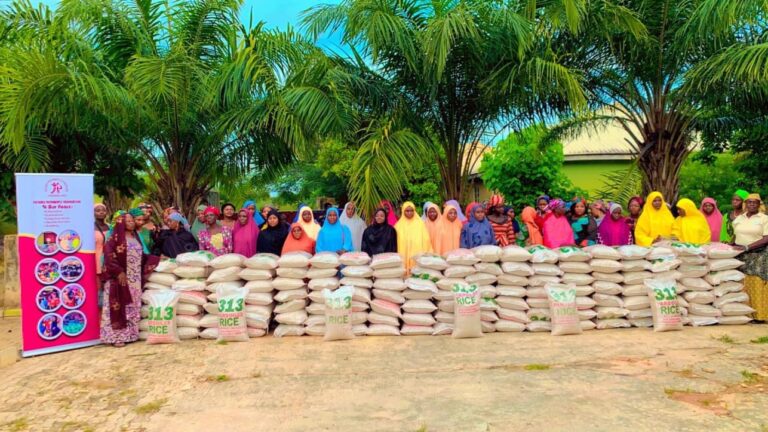
More than 100 residents of Tunga in Minna, Niger State, have received cash assistance, bags of rice and wrappers through a grassroots humanitarian intervention organised by the Future Pathways Foundation in collaboration with Senator Sani Musa.

The beneficiaries, drawn from the Old Alheri Road area of Tunga, received the support as part of efforts to provide immediate relief to vulnerable households and ease some of the economic pressures facing families in the community.

The intervention reflects the Foundation’s broader focus on supporting people at the grassroots, particularly families and individuals who may be struggling to meet basic needs.

Speaking during the outreach, Hajia Saadatu Sani Musa, Founder of Future Pathways Foundation, said the intervention was driven by the belief that practical assistance can make a meaningful difference in the lives of vulnerable people.

“Our mission is rooted in compassion, dignity and practical support. We understand the pressures many families are facing, and we believe that even a modest intervention can make a meaningful difference in someone’s life.”

She added that the Foundation’s work was not simply about distributing food or financial assistance, but also about ensuring that vulnerable members of the community know that they are seen and supported.

Supporting families at the grassroots

The Foundation said it would continue to provide humanitarian and social support to vulnerable communities while working with individuals and organisations willing to contribute to grassroots development.

Its areas of work include support for women, children and widows, education scholarships and grants, food assistance, medical support, women’s economic empowerment, and health and sanitation advocacy.

Hajia Saadatu expressed appreciation to Senator Sani Musa for supporting initiatives focused on improving the welfare of residents and communities.

She said partnerships with well-meaning individuals and organisations would remain important to expanding the Foundation’s reach and creating more opportunities for people to improve their circumstances.

For beneficiaries, the intervention provided timely assistance at a period when household expenses continue to place pressure on families.

Aisia Kuta, one of the beneficiaries, said the support would help her address immediate household needs and provide for her family.

“This support has come at a very important time. The cash donation and the food items will help me meet some immediate needs and provide for my family.”

Another beneficiary, Hajia Hadiza Umar, said the intervention was meaningful not only because of the items received, but because it demonstrated that people in the community cared about their welfare.

“It is not only the cash and food items that matter, but the fact that somebody thought about our welfare and came to support us.”

While the intervention provided immediate assistance to more than 100 residents, it also forms part of Future Pathways Foundation’s continuing efforts to combine relief, empowerment and social support for underserved communities.

The Foundation said it would sustain its grassroots interventions across Niger State, with a focus on reaching vulnerable families and creating opportunities that can contribute to longer-term improvements in their wellbeing.

For the residents of Tunga, the intervention offered more than food and financial support—it provided practical relief while reinforcing the importance of community-focused humanitarian action.

About Future Pathways Foundation

Future Pathways Foundation is a Nigerian non-governmental organisation focused on empowering women, children and widows. Its programmes include education scholarships and grants, food and nutrition support, medical assistance, women’s economic empowerment, and health and sanitation advocacy.

Ononuju Silver Okwaraogoma: A Career Built on Service

0

Long before Ononuju Silver Okwaraogoma found himself working across some of the biggest institutions in global development, he was simply a young man willing to volunteer. He gave his time, showed up, learned, worked with people and took whatever opportunities to serve came his way. He probably could not have known then just how much those experiences would shape the road ahead.

Today, his career spans civil societies, UNESCO, the African Union, UNICEF and UNDP. But when he talks about how he got here, one sentence stands out: “Volunteering gave me a platform.”

That may be the simplest way to understand Uju’s journey. Beneath the impressive titles and international institutions is a career built, step by step, on service, hard work, relationships and a willingness to keep showing up. And perhaps that is fitting for someone whose personality is as unassuming as his journey is impressive.

If you meet Uju, one of the things you are likely to notice is how calm he is. He is not someone who makes a big show of himself or his achievements. There is a quietness about him, and somehow, that makes his journey even more interesting.

His story in the development space began in Nigeria, as a volunteer with the West Africa Network for Peacebuilding (WANEP) Nigeria. He was working on youth peace education and youth peacebuilding, supporting research and programme development and contributing to efforts that tracked conflict, peace and security in Nigeria. It might have looked like an early career opportunity at the time. Looking back now, it feels like something more. It put him close to young people, peacebuilding and the realities behind the development work he would eventually spend much of his career doing.

But he kept volunteering. He moved through different spaces, meeting people, learning from them and finding new ways to contribute. He worked alongside people who were themselves building organisations and communities around service, and those relationships became part of his education too.

At some point, he decided to try building something himself.

In 2016/2017, Ononuju started Pro-Volunteer, an attempt to create a platform that would connect volunteers with organisations. It did not pull through. But the idea says something about how he was beginning to see volunteering. It was no longer simply about giving your time away. It could be a way for someone to gain experience, meet people, discover what they were good at and get into rooms they might otherwise never have entered.

A platform.

And looking at where his own journey would eventually take him, that idea feels particularly significant.

Before the international conferences, policy conversations and development programmes came the quieter work of learning. Uju studied at Babcock University, where he earned a Bachelor of Science in International Law and Diplomacy, and later earned a Master of Arts in Peace and Conflict Studies from the University of Ibadan. His education and his experiences in civil society were beginning to meet.

His next steps took him into international civil society and human rights work, including an exchange with CIVICUS in Geneva, where he supported civil society engagement around the Human Rights Council and the Universal Periodic Review. Then came UNESCO.

His work there brought him into youth empowerment, education, coordination, programme management, partner engagement, teacher development, peacebuilding and the prevention of violent extremism. He was working across programmes and partnerships, but the issues still connected to what had drawn him into development in the first place: young people, education, peace, and the systems that determine the opportunities people have.

By the time he moved into the African Union, the scale had changed considerably. He was now working on youth development and partnerships at a continental level, helping to connect young Africans with opportunities for learning, leadership, entrepreneurship and service. He also supported the recruitment and training of more than 200 young people through the African Union Youth Volunteer Corps.

There is something quite beautiful about that part of the journey. The young volunteer who had once been looking for opportunities to contribute was now helping create opportunities for other young people.

The platform had come full circle.

And perhaps this is one of the things that stands out about Uju’s career. The work keeps changing, but there is usually a familiar thread running through it: people, young people, opportunity, service, coordination, programme management, project management, programme implementation, stakeholder engagement and partnership.

By the time he got to UNDP, the questions had become bigger. His work moved into governance, the rule of law, and Business and Human Rights, putting him in rooms where governments, businesses, civil society organisations, and development partners had to find common ground.

The issues were more complex, but perhaps the skills were not so different from what he had been learning all along: listen, understand people, build relationships and keep the work moving.

His work in Business and Human Rights has led him to support more than 20 countries and engage with more than 30 partners and organisations. He has also led the African Business and Human Rights Forum, which has brought together hundreds of stakeholders around the business and human rights agenda in Africa.

It is the kind of work that rarely comes with dramatic moments. A lot of it is coordination. Conversations. Follow-ups. Finding the person who needs to be in the room. Getting people with different interests to work towards the same goal.

But maybe that is exactly where his temperament becomes useful.

Uju is quiet. Measured. Not particularly interested in making every achievement an announcement. And not every kind of leadership needs to be loud. Sometimes it is listening carefully before speaking. Sometimes it is knowing when to step forward and when to let the work speak. Sometimes it is simply being dependable enough that people know they can count on you.

His UNICEF chapter brought another dimension to the same journey, this time through partnerships and donor engagement. He coordinated a multi-country project across seven UNICEF country offices and supported a broader portfolio spanning 14 offices.

Again, the names and institutions changed. The work remained about bringing people, resources and ideas together to solve problems.

And perhaps that is why his career feels less like a series of jumps between organisations and more like a gradual expansion of the same idea: start with people, understand their realities, create opportunities, build systems, bring people together, and keep doing the work.

There is also something to be said about resilience. When we look at someone who has worked across major international institutions, we often see the polished version of the journey. We see the titles and the organisations. We don’t see all the learning that happened between them.

We don’t see the unfamiliar rooms, the new systems, the new expectations or the need to constantly prove yourself again. We don’t see all the times a person had to learn something new, adjust, start over or simply keep going.

A career that moves across civil society, education, youth development, continental policy, governance, human rights and international partnerships requires more than intelligence or opportunity. It requires hard work. It requires adaptability. And it requires the resilience to keep learning.

Perhaps that is why the quietness matters. There is a certain kind of person who does not need every achievement to become an announcement. They simply move on to the next assignment, the next problem, the next room, the next piece of work that needs to be done.

And looking at Uju’s journey, that seems to be part of what makes it compelling.

His career has never really been about one subject. It has been about people, young people, communities, institutions, governments, businesses, development partners, and the relationships between all of them.

From volunteering in Nigeria to working across continental and international development institutions, the thread running through the journey is not simply ambition.

It is service.

The kind of service that demands integrity when nobody is watching. The kind that demands hard work when the work is tedious. The kind that demands resilience when the path changes. And perhaps the kind that allows a quiet person to leave a very significant mark.

Because not every impact is loud. Some of it happens in meetings nobody hears about. In programmes people may never know who coordinated. In partnerships whose success depends on someone quietly keeping all the pieces together. In young people who receive an opportunity because someone helped build the system that made that opportunity possible.

That may be the most fitting way to look at Ononuju Silver Okwaraogoma. Not simply as a man who has worked for some of the biggest names in development, but as someone who has spent years doing the quieter work of making development possible.

And perhaps, in a world that often celebrates the loudest voices, there is something refreshing about a career that began with volunteering and grew through showing up, doing the work, building trust and creating opportunities for others.

Quietly. Steadily. With purpose.

MTN Establishes Africa Data Hub to Accelerate AI-Ready Data Centre Infrastructure Across Africa

0

MTN Group is stepping deeper into Africa’s rapidly expanding artificial intelligence and cloud infrastructure market with the establishment of Africa Data Hub Holding Limited, a new platform designed to accelerate the development of AI-ready data centres across key African markets.

The initiative brings together MTN’s extensive African footprint, digital infrastructure assets and market expertise with international investment and specialist data-centre capabilities, positioning the telecommunications group to play a larger role in the physical infrastructure needed to power Africa’s next phase of digital growth.

The new platform follows a strategic partnership between MTN Digital Infrastructure and a UAE-backed data-centre investment platform. MTN is expected to hold a minority position in the venture, while its international partner will provide significant capital and specialist data-centre expertise.

South Africa and Nigeria to lead the first phase

South Africa and Nigeria have been identified as the priority markets for the initial phase of the development, reflecting the scale of digital activity and growing demand for cloud, enterprise and AI computing infrastructure in both markets.

The initial development is expected to target approximately 150MW of data-centre capacity across the two countries, with future expansion expected to be driven by demand.

For MTN, the move represents an evolution beyond traditional telecommunications infrastructure as businesses, governments and consumers across Africa increasingly depend on computing power to support cloud services, artificial intelligence, digital platforms and data-intensive applications.

Mazen Mroué, Chief Executive Officer of MTN Group Digital Infrastructure, said the growth of AI and cloud services was creating a new infrastructure opportunity across the continent.

“Africa’s digital economy is entering a new era driven by rapid advances in AI, cloud adoption, and digital innovation.”

He noted that realising the opportunity would require more than connectivity, pointing to the need for infrastructure platforms capable of supporting the next generation of digital services, businesses and innovation.

Building the infrastructure behind Africa’s AI economy

The establishment of Africa Data Hub comes as demand for cloud computing, local data hosting and AI workloads continues to grow across African commercial centres.

AI applications require significantly greater computing capacity than many traditional digital workloads, making access to reliable data centres, electricity, cooling and high-capacity connectivity increasingly important to the continent’s digital transformation.

The new platform is therefore expected to combine data-centre development with MTN’s wider digital infrastructure ecosystem.

MTN’s pan-African connectivity business, Bayobab, will contribute open-access fibre connectivity and go-to-market support to the venture, providing an important connectivity layer for the planned infrastructure.

The partnership also gives MTN an opportunity to leverage external investment and specialist expertise while limiting the amount of capital it would need to deploy independently for large-scale data-centre developments.

From connectivity to computing

The move reflects a broader shift in MTN’s infrastructure strategy.

The company has increasingly positioned digital infrastructure—including fibre, cloud capabilities, data centres and emerging distributed-computing technologies—as an important growth opportunity alongside its traditional connectivity and fintech businesses.

Its existing infrastructure and large customer footprint provide a potential ecosystem for the new data-centre business, connecting telecommunications networks with the computing capacity required by enterprises and digital services.

For African businesses, the expansion of local AI-ready infrastructure could also mean greater access to computing resources closer to where data is generated and consumed.

This could support applications ranging from artificial intelligence and cloud computing to enterprise software, financial technology and other data-intensive services.

A growing African infrastructure opportunity

The development comes at a time when global technology companies and infrastructure investors are increasing their focus on Africa’s data-centre market.

As more African organisations adopt AI and cloud technologies, demand is expected to grow for infrastructure that can provide reliable computing capacity while addressing requirements around connectivity, latency, resilience and data localisation.

MTN’s partnership seeks to position the group within that emerging market by combining its continental presence with international data-centre investment and expertise.

The initial focus on South Africa and Nigeria gives the venture access to two of Africa’s largest digital economies, while the platform itself has been established with the potential to develop and scale opportunities across other African markets.

For MTN, Africa Data Hub marks a significant step into a part of the digital economy that is becoming increasingly strategic: the infrastructure that makes AI and cloud services possible.

As AI adoption accelerates across the continent, the availability of local, scalable and resilient computing infrastructure will increasingly determine how effectively African businesses and institutions can participate in the next phase of the digital economy.