Home Blog Page 2

Folorunso Alakija’s Rose of Sharon Foundation Calls for Stronger Protection of Widows’ Rights

0

For many widows, losing a spouse can bring more than grief. It can also expose women to disputes over property, economic insecurity, discrimination and other forms of vulnerability.

The Rose of Sharon Foundation is calling for stronger action at the grassroots level to ensure that widows are not left to navigate these challenges without adequate protection and support.

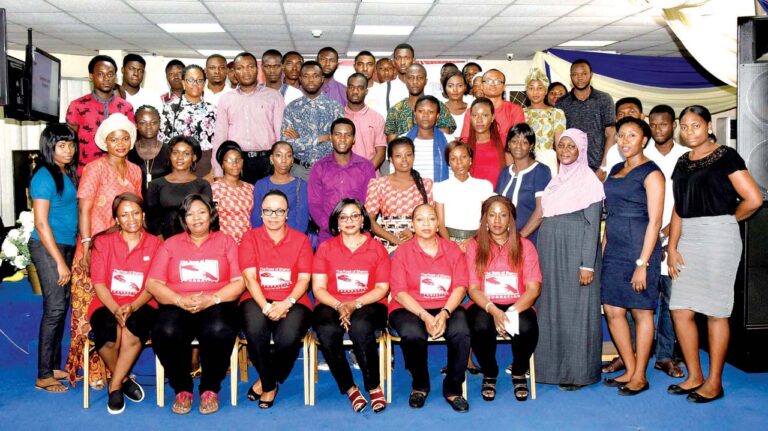
The foundation made the call at a Widowhood Rights Stakeholders’ Engagement in Lagos, bringing together stakeholders to discuss how advocacy for widows can translate into practical action within communities.

The conversation focused on the gap that can exist between recognising widows’ rights and ensuring those rights are protected in practice, particularly at the local government and community levels.

The foundation has spent more than 15 years working around the socio-economic and legal protection of widows and orphans. Its programmes include financial support, interest-free loans, vocational skills, education scholarships, healthcare and legal services. The organisation says it has directly impacted more than 4,262 widows since its establishment.

At the latest stakeholders’ engagement, the foundation highlighted the importance of moving beyond advocacy and ensuring that commitments made by community and local government stakeholders result in concrete interventions for widows.

Oloruntosin of the Rose of Sharon Foundation noted that while stakeholders had made commitments, the organisation was yet to identify specific interventions from local governments and communities that had directly resulted from its advocacy.

That gap points to a wider challenge in protecting women’s rights: policies and advocacy can create awareness, but their impact ultimately depends on whether women can access protection, legal remedies and support when they need them.

The foundation’s work has also included educating widows about their rights and connecting them to legal support. Its wider approach combines economic empowerment with socio-legal protection, recognising that financial independence and knowledge of one’s rights can both influence a widow’s ability to navigate difficult circumstances.

The latest engagement therefore places renewed attention on the role of local institutions and communities in protecting widows, particularly women who may have limited access to formal systems of justice and support.

For the Rose of Sharon Foundation, the next step is ensuring that conversations around widowhood rights translate into action — from community-level protection and legal support to economic opportunities that enable widows to rebuild their lives with greater security and dignity.

The message emerging from the engagement is straightforward: protecting widows’ rights cannot stop at awareness. It must reach the communities where violations occur and create practical pathways for women to seek support, protection and justice.

O.B. Lulu-Briggs Foundation Marks 25 Years of Humanitarian Service, Reports 2.12 Million People Reached

0

Twenty-five years ago, the O. B. Lulu-Briggs Foundation began with a programme focused on vulnerable older people. Today, the organisation says its work has expanded across healthcare, education, elderly care, livelihoods, water and sanitation, access to justice and humanitarian assistance, with an estimated 2.12 million people reached over the past quarter-century.

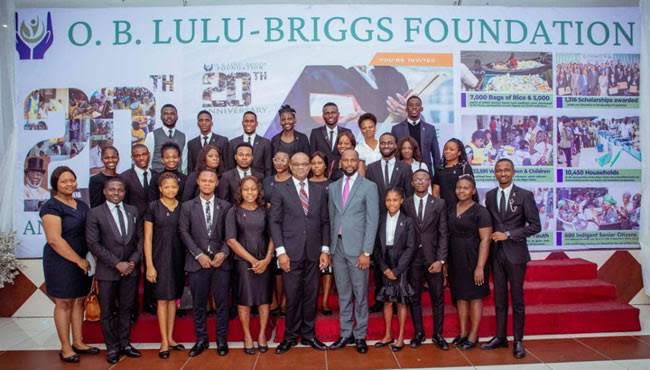
The Foundation marked its 25th anniversary, or Silver Jubilee, in Port Harcourt, Rivers State, with a series of activities that included its 50th Free Medical Mission, a thanksgiving service and a conference focused on ageing, dementia and brain health.

According to figures presented by the Foundation, more than ₦3.52 billion has been spent on humanitarian programmes since its establishment in September 2001, with 281,937 people directly reached through its interventions.

For Dr. Seinye O. B. Lulu-Briggs, Founder and Chairman of the Foundation, the figures represent more than institutional milestones.

“These figures are more than statistics. Each represents a human life and a story of need, care and renewed aspiration for living,” she said.

Healthcare has become one of the Foundation’s largest areas of intervention. Its Free Medical Mission programme has provided consultations, medicines, diagnostic services, screenings and surgical procedures to communities where the cost or availability of healthcare can create barriers to access.

The Foundation says its 50 medical missions have reached 171,752 people, with 1,723 surgeries and specialised screenings conducted and 35,133 eyeglasses distributed.

The organisation’s work, however, extends beyond healthcare.

Its Care for Life programme, established in 2001, has supported older people facing financial, health and social vulnerabilities. The Foundation says 781 elderly people have been enrolled in the programme, receiving assistance including medical care, food supplies, stipends and, in some cases, caregivers.

In education, the Foundation reports reaching 33,437 people through various interventions, including 974 Nigerian Law School scholarships and support for 1,634 students preparing for the West African Senior School Certificate Examination and the Unified Tertiary Matriculation Examination.

Its livelihood interventions have included microcredit, vocational training, entrepreneurship programmes and agricultural assistance, with 1,076 people reported to have received support.

The Foundation has also implemented water and sanitation projects, access-to-justice initiatives and humanitarian assistance, including unconditional cash transfers to vulnerable beneficiaries.

The anniversary therefore offered an opportunity to look at philanthropy not simply through individual interventions, but through the systems of support that can help vulnerable people access healthcare, education, livelihoods, dignity and opportunity over time.

Much of the Foundation’s work has been concentrated in the Niger Delta, where communities continue to face challenges linked to access to healthcare, education, economic opportunities, water and sanitation and other essential services.

The Foundation says it sees its role as complementary to government and other development actors, particularly in communities where access to essential services remains limited.


As it begins its next chapter, the organisation says it intends to deepen its programmes, expand partnerships and continue working with underserved communities in Nigeria and beyond.

For Lulu-Briggs, the anniversary is ultimately about the people behind the numbers.

“Being of service to our communities,” she said, remains the simple measure of the Foundation’s work.

The 25-year milestone places the O. B. Lulu-Briggs Foundation among Nigerian philanthropic organisations that have built their work over decades, moving from individual acts of giving towards structured programmes designed to address multiple dimensions of vulnerability.

From Healthcare to Hope: Dammyla Care Foundation Reaches 5,000 Vulnerable Nigerians

0

For more than five years, the Dammyla Care Foundation has been taking healthcare and humanitarian support directly to Nigerians who face barriers to accessing essential services, reaching more than 5,000 vulnerable people through its interventions.

The foundation’s work spans free medical outreaches, health education, welfare assistance, educational materials and specialised support for vulnerable groups.

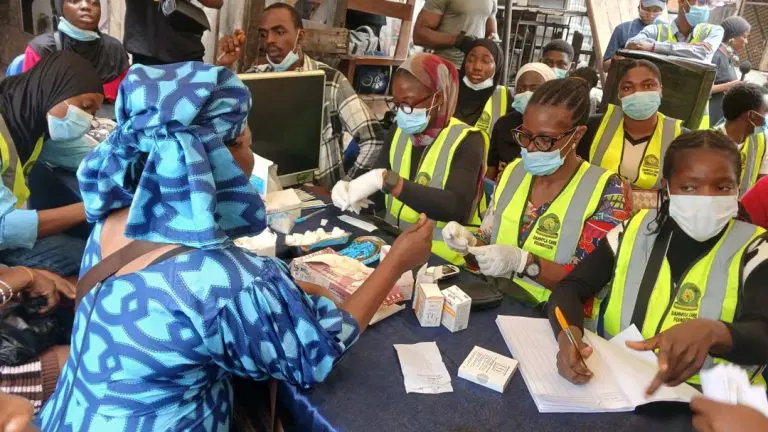
Founder Damilola Dosunmu revealed the milestone during a recent free medical outreach held for residents of an underserved community in Lagos. More than 100 people benefited from medical screening, medication, counselling and food support at the outreach.

According to Dosunmu, the foundation was created to support people who are often overlooked, including individuals affected by substance abuse, children living with limb loss and vulnerable people in correctional facilities.

Beyond providing basic healthcare, the foundation has also supported children living with limb loss. Five children between the ages of three and 10 have received free artificial limbs through the organisation, helping them improve their mobility and independence.

Dosunmu, a Prosthetist and Orthotist, said her professional experience working with people living with disabilities inspired her to extend her impact beyond her clinical responsibilities.

The foundation’s recent outreach also placed attention on substance abuse and the need for greater awareness, rehabilitation and support for people struggling with addiction. Dosunmu noted that many affected individuals experience stigma and social exclusion, making community-based intervention particularly important.

Medical professionals who participated in the outreach screened beneficiaries for conditions including high blood pressure and elevated blood sugar levels, while people requiring further treatment were referred to appropriate health facilities.

The intervention also highlighted the importance of taking preventive healthcare and health education to underserved communities, particularly people who may struggle to afford routine hospital visits.

Dosunmu appealed to corporate organisations, individuals and other stakeholders to partner with the foundation, noting that increased support would enable it to extend its healthcare and humanitarian programmes to more vulnerable Nigerians.

Through its growing interventions in healthcare, disability support, education and humanitarian assistance, the Dammyla Care Foundation continues to bring essential services closer to communities that need them most.

DEBORAH ONOMEREGBOR IS TEACHING YOUNG PEOPLE TO LIVE WITH INTENTION AND PURPOSE

0

Deborah Onomeregbor is an Intentional Living Coach, pastor and personal development practitioner. Much of what she does today is built around a simple but important idea: people can make more purposeful choices about their lives, goals, relationships and growth instead of simply moving through life reacting to whatever comes their way.

That idea has grown into something much bigger than a personal philosophy for Deborah. Through the Intentional Living Initiative, she has created spaces where young people can think more deeply about who they are becoming, the choices they are making and the kind of lives they want to build. The Initiative holds an Intentional Living Summit annually on her birthday, alongside Masterclasses and other activities designed around personal development, purpose and growth.

There is something particularly interesting about the fact that this work came out of Deborah’s own life. She did not arrive at intentional living because everything had always been clear to her. There were seasons when she was busy, achieving things and moving from one responsibility to another, yet still had to confront the question of whether she was actually living deliberately. At some point, she began to recognise the difference between simply being occupied and being intentional about where her life was going.

That realisation changed the way she approached her goals, her time, her relationships and her own development. And, perhaps most importantly, she began to see the results.

It is this personal connection to the idea that gives her work with young people a different depth. She is not simply telling them to set goals or become more productive. She understands that living intentionally can sometimes begin with an uncomfortable look at the life you are already living and the courage to admit that something needs to change.

There is also a quieter story underneath Deborah’s work, one that takes us back to where much of her foundation was formed.

She grew up in a Christian home as a pastor’s child, and faith was not something that existed only within the walls of a church. It was part of the environment that shaped her understanding of people, service, responsibility and the importance of the Word of God. Her father, a pastor, was also her greatest cheerleader. Deborah was very much a daddy’s girl, and his encouragement became one of those gifts that stay with a person long after childhood.

His death would later make her think about life and time in a different way.

Losing someone who had believed so strongly in you has a way of making the passage of time feel very real. Things we assume we will do someday suddenly look different when we are reminded that life does not always wait for the plans we have made for it. For Deborah, that experience became part of the deeper understanding behind intentional living: that our time matters, the people around us matter, and the things we keep postponing are not always guaranteed another opportunity.

Her years at Rhema Nigeria have also played a significant role in shaping the woman doing this work today.

When you see Deborah at work, it is difficult to look at the breadth of her involvement at Rhema and see it simply as a job. She has spent many years there, moving across different responsibilities and ministry spaces, from working with young people and children to being involved in activities for women and the wider work around the Bible Training Centre.

Rhema’s work itself spans several generations and areas of ministry, including children and youth training, supportive leadership and women-focused programmes. Deborah’s own journey within that environment has allowed her to work in different rooms, with different groups of people, while remaining grounded in the same Christian foundation she grew up with.

And somehow, she still shows up with a smile.

That detail matters because Deborah’s story is not really about one neat career path. It is a collection of different experiences that have gradually begun to make more sense when placed beside one another. Her professional life has moved from human resources into retail operations, branding and merchandising, and now business development. Along the way, she has handled recruitment and staff development, coordinated teams and events, managed customer relationships, worked with data and reports, supported operations across multiple locations and taken on responsibilities around partnerships, revenue and market development.

She studied Petroleum and Chemical Technology at the University of Jos, yet her career eventually took her into spaces centred on people, organisations, development and leadership. That movement is part of what makes her journey fascinating. The degree tells one story. The career that followed tells another. Her ministry involvement adds another layer. And the intentional-living work brings many of those layers together.

But beneath all of it is a woman who has had her own moments of questioning.

She has had seasons when she had to sit with difficult questions about life, direction and what really matters. She has had moments when faith had to be more than something inherited from childhood. She has experienced loss, had to reconsider how she was spending her time and confronted the parts of her life that were not as deliberate as she wanted them to be.

Yet Deborah shows up, fully.

That may be one of the most compelling things about her story. Not because she has somehow arrived at a place where everything is perfectly figured out, but because the different experiences she has lived through have become part of the substance she now brings into the lives of other people.

For young people especially, that matters.

They are making decisions about education, careers, relationships, faith, identity and their futures while navigating a world that constantly tells them what they should want and who they should become. Social media adds another layer, making it easy to measure a life against someone else’s highlight reel while still trying to understand what your own life is supposed to look like.

Deborah’s work creates room to pause.

It asks young people to look beyond the pressure to simply succeed and consider whether the life they are building actually reflects the values, priorities and direction they want for themselves. Her experience across ministry, professional environments and personal development gives her a broad understanding of the different pressures people face as they grow.

And perhaps that is why the Intentional Living Initiative feels like a natural extension of her own journey.

The Summit, the Masterclasses and the conversations around intentional living are not separate from the rest of Deborah’s life. They sit at the intersection of her faith, her professional experience, her personal growth, her relationship with young people and the lessons that have come from losing someone who mattered deeply to her.

There is a thread running through all of it: the conviction that a life should not simply happen to us.

For Deborah Onomeregbor, intentional living has become more than something she teaches. It has become a body of work shaped by experience, by the things she has learned, the seasons that have stretched her, the people who have shaped her and the questions she has had to answer for herself.

And now, she is taking those lessons into rooms with young people, creating space for them to pause, ask better questions and think carefully about the lives they are building.

Because perhaps that is what Deborah has come to understand most clearly: we may not be able to control everything that happens to us, but we can become more deliberate about how we live, what we choose, who we become and what we do with the time we have.

And that is the heart of the work she is doing today, helping young people make more purposeful choices about their lives, instead of simply moving through life reacting to circumstances.
Toun Okewale-Sonaiya Has Spent a Decade Building a Bigger Platform for Nigerian Women

0

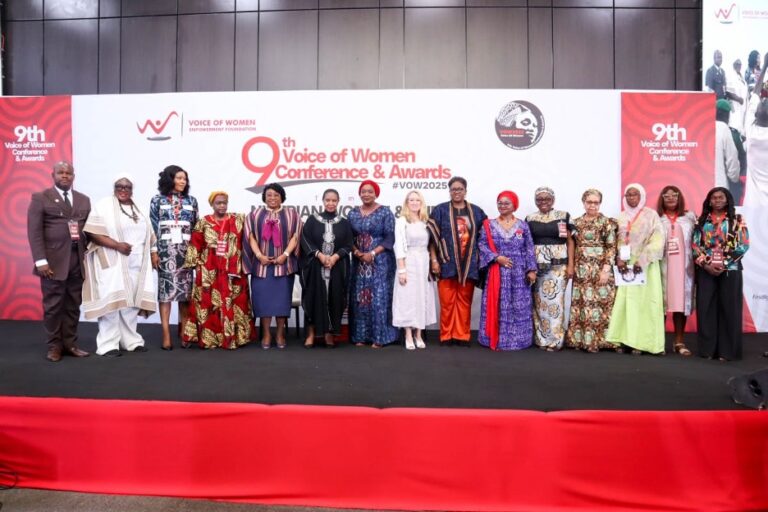
Ten years ago, Toun Okewale-Sonaiya set out to create more space for Nigerian women to speak, be heard and participate in conversations that affect their lives. A decade later, the platform she built is preparing to mark its 10th anniversary with a renewed focus on women’s leadership, economic empowerment and participation.

Okewale-Sonaiya is the Executive Director of the Voice of Women Empowerment Foundation (VOWEF), which organises the annual Voice of Women Conference and Awards in partnership with Women Radio WFM 91.7.

The 2026 edition, scheduled for October 6 in Lagos, is themed “A Decade of Voices and Impact” and will bring together women leaders, entrepreneurs, grassroots women, students, civil society organisations, development partners and advocates from across Nigeria.

But for Okewale-Sonaiya, the anniversary is not simply a celebration of how far the platform has come. It is an opportunity to consider what the next decade should look like for Nigerian women.

Over the past 10 years, the Voice of Women platform has created space for conversations around women’s leadership, empowerment, families, participation and social development. Its activities have connected women from different generations and backgrounds, from established leaders and entrepreneurs to young women and grassroots advocates.

That intergenerational approach will remain central to this year’s programme.

One of the major conversations at VOW2026 will bring women at different stages of their lives and careers together to examine how experience, fresh perspectives and collective action can create stronger opportunities for women and girls.

The organisation is also placing greater emphasis on turning conversations into practical opportunities.

As part of the 2026 programme, Asha Microfinance Bank is expected to provide grants to 10 women, giving selected beneficiaries financial support to pursue their economic goals.

For a platform that has spent years creating visibility for women’s issues, that shift from conversation to tangible opportunity is significant.

Economic independence remains an important part of women’s empowerment. Access to capital, business knowledge, professional networks and platforms for visibility can influence whether women are able to start businesses, expand existing enterprises or create more sustainable livelihoods.

VOWEF’s work is therefore increasingly positioned around both voice and opportunity: giving women platforms to contribute to important conversations while creating pathways through which some of those conversations can translate into action.

The organisation is also deliberately looking beyond established women leaders.

Aisha Sanni, Programmes Manager at VOWEF, said the organisation wants its next phase to reach more young women and women whose voices are often absent from national conversations.

That focus could become particularly important as a new generation of Nigerian women enters the workforce, starts businesses and takes on leadership responsibilities.

For Okewale-Sonaiya, the challenge is not simply to celebrate the women who have already made their mark. It is to create platforms through which more women can develop the confidence, networks and opportunities to make their own contributions.

The 10th Voice of Women Conference will therefore extend beyond the physical venue in Lagos, with organisers planning television, radio and digital broadcasts to allow women and audiences across Nigeria and beyond to participate.

Over a decade, the platform has evolved from a space for women’s conversations into a broader ecosystem around advocacy, leadership, recognition and empowerment.

Its next chapter is now about reach.

Okewale-Sonaiya and her team want to take the conversation further — from established women leaders to young women, from major cities to grassroots communities, and from visibility to practical opportunities.

After ten years of creating space for women to speak, the bigger question for the next decade may be what those voices can build when they are matched with access, resources and opportunities.

For VOWEF, that is the work ahead: not simply giving women a platform, but helping create the conditions in which more women can use their voices to shape their careers, communities and futures.

Esther Williams Is Turning a Childhood Lesson in Compassion Into a Lifeline for Vulnerable Children

0

Growing up, Esther Williams watched her mother care for children who were homeless and neglected. Years later, that experience would become part of the foundation for a nonprofit organisation now working to support vulnerable children and underserved communities across Nigeria.

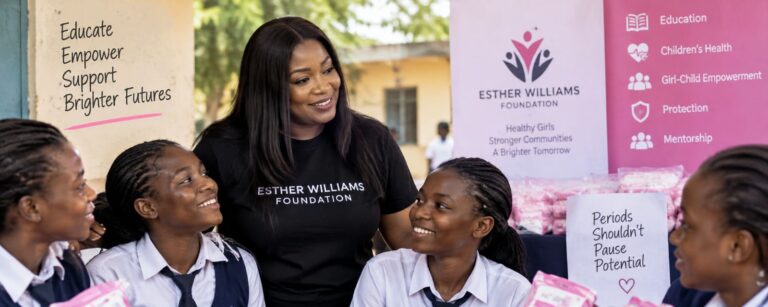
In 2018, Williams founded the Esther Williams Foundation with a focus on education, children’s health, girl-child empowerment, protection, mentorship and community development. Eight years later, the organisation says its programmes have reached more than 1,130 students across schools and communities, while more than 1,000 hygiene kits have been distributed.

For Williams, however, the work is not simply about increasing the number of beneficiaries. It is about addressing some of the everyday barriers that can make it harder for children, particularly girls, to stay healthy, confident and engaged in school.

One of the foundation’s key programmes is the Pad A Girl Outreach and Hygiene Education Programme, which combines menstrual health education with the distribution of sanitary products. The programme has been implemented in schools including Oluwole Secondary School in Ejigbo and Queen’s College in Yaba, where more than 1,000 sanitary pads were distributed during the previous year.

The foundation’s approach goes beyond giving out products. Girls are taught about menstrual health and encouraged to understand their bodies and manage their periods with greater confidence and dignity.

That distinction is important to Williams because menstrual hygiene is only one part of the challenges facing the children her organisation serves. Its programmes also include educational support, counselling, health and wellbeing initiatives, mentorship and leadership development.

The organisation says it has also provided food to more than 500 people through its outreach activities and implemented more than four major programmes. Its work currently has a strong focus on girls, supported by more than 20 volunteers and team members and more than 20 partners and supporters.

For some beneficiaries, the impact is felt in ways that statistics cannot fully capture. Blessing, a student at Ikeja Senior High School, said the hygiene education she received helped her take better care of herself, increased her confidence and reduced her fear of attending school during her period.

Williams says these individual changes are as important as the organisation’s headline numbers. Her foundation describes its model as child-centred and community-driven, working with schools, communities, government agencies, corporate organisations and development partners.

The organisation is primarily active in Lagos but says it is expanding its reach to other communities across Nigeria, with volunteers also supporting its activities from different parts of the country and Dublin.

The story of the Esther Williams Foundation is therefore rooted in something much more personal than an NGO programme. Williams grew up watching someone close to her respond to vulnerable children with compassion, and she has turned that early example into an organisation attempting to create more structured and sustained support for children facing difficult circumstances.

As the foundation grows, the challenge will be to turn individual interventions into systems that can continue supporting children long after a particular outreach event is over.

For Williams, the goal is ultimately larger than distributing hygiene kits or providing school support. It is about creating environments where vulnerable children can access education, understand their health, develop confidence and have the support they need to build better futures.

Femi Oyelade Turned His 50th Birthday Into a New Mission to Support Vulnerable Nigerians

0

For Femi Oyelade, turning 50 was an opportunity to do more than celebrate a personal milestone. The brand and events consultant chose to mark his 50th birthday by launching a foundation and spending the day with families living in an internally displaced persons camp in Abuja.

Oyelade, Chief Executive Officer of Say It Loud Africa, celebrated his 50th birthday on September 13, 2026, with the launch of the FAJO Foundation, a new nonprofit focused on supporting vulnerable communities and tackling poverty.

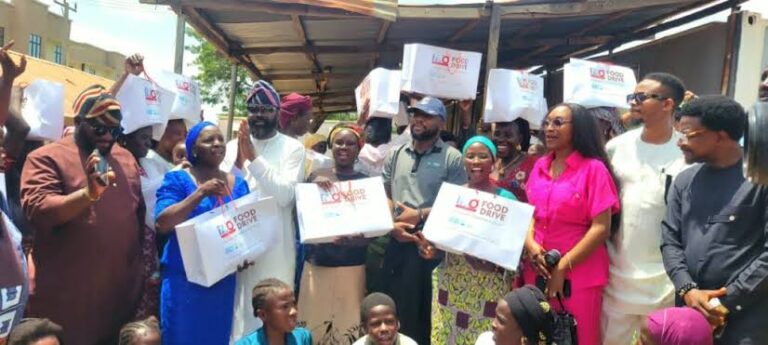
Rather than hold a conventional birthday celebration, Oyelade and his team made the foundation’s first intervention about families facing difficult living conditions. They distributed food packages to 90 households at an IDP camp in Abuja, with each package designed to provide essential food for families of between five and seven people.

But the visit was not only about distributing food.

Oyelade also spent time speaking with women at the camp and listening to the challenges affecting their families. Among the concerns raised were school fees and the cost of educational materials for their children.

Those conversations have shaped some of the foundation’s priorities going forward, with Oyelade indicating that FAJO Foundation would consider supporting identified educational needs in future interventions.

The foundation plans to focus particularly on food security and the empowerment of artisans, with the broader goal of improving livelihoods among vulnerable populations rather than limiting its work to short-term relief.

That distinction could become important as the organisation develops. Food donations can provide immediate support to families facing hardship, but sustainable livelihood opportunities can help people build greater independence over time.

For Oyelade, the foundation is therefore intended to become more than a one-day birthday initiative. He has called on philanthropists, NGOs, individuals and local and international development partners to work with the foundation as it expands its interventions to other communities.

The launch also reflects a growing trend among Nigerian professionals and entrepreneurs who are using personal milestones to establish longer-term social impact initiatives.

In Oyelade’s case, the first step was simple: instead of celebrating 50 years of his own life in isolation, he chose to spend the milestone with families whose immediate concerns included food and their children’s education.

The challenge now is turning that first intervention into a sustainable organisation capable of supporting vulnerable Nigerians beyond a single outreach.

FAJO Foundation’s next chapter will determine whether the birthday initiative becomes a lasting platform for food security, skills development and livelihood opportunities in the communities it hopes to serve.

SWAG Brings Six African Countries Together to Move Youth-Led Health Solutions from Ideas to Action

0

As countries across West and Central Africa seek stronger ways to improve health and development outcomes for adolescents and young people, the question is increasingly moving beyond what needs to change to how young people, governments and other stakeholders can work together to make that change happen.

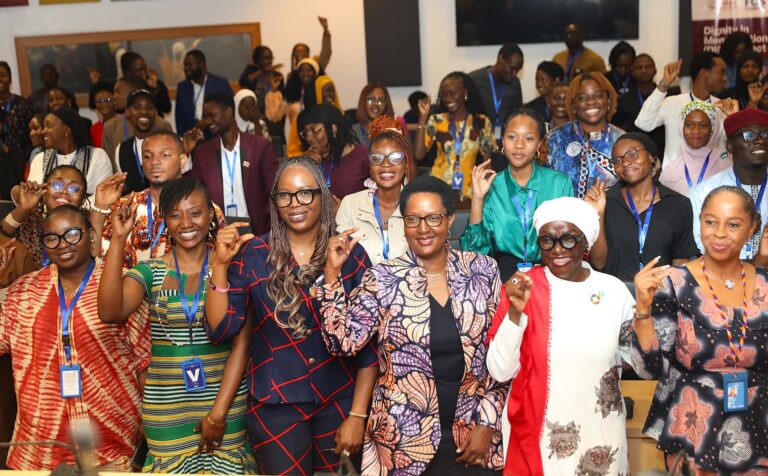
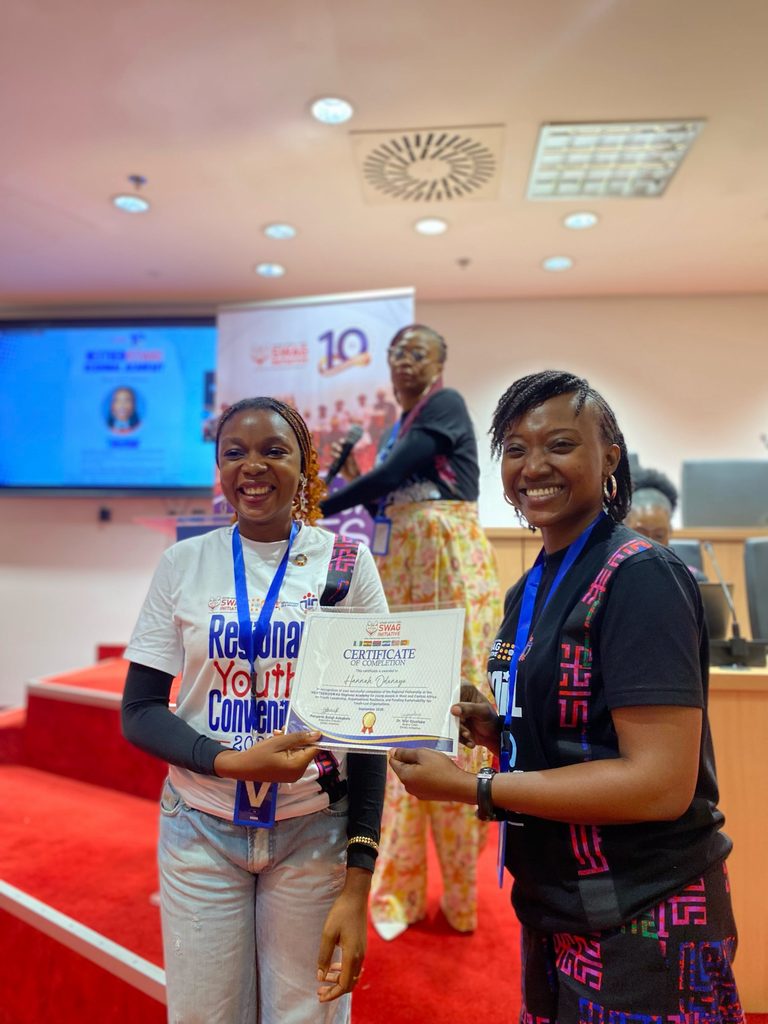
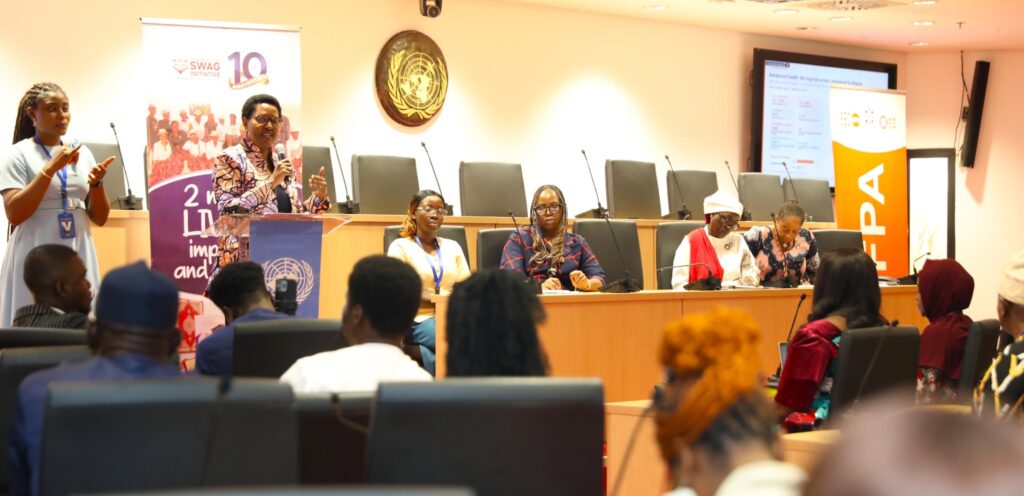
The Stand With A Girl Initiative (SWAG) brought this conversation to the centre of a two-day Regional Youth Convening on Health and Development, held on September 16–17, 2026, at the United Nations House in Abuja.

Convened under the theme, “Policy Pathways, Regional Solutions and Co-Investment for Lasting Adolescent and Youth Health and Development Gains in West and Central Africa,” the gathering brought together youth leaders from Nigeria, Ghana, The Gambia, Sierra Leone, Liberia and Cameroon, alongside government representatives, UN agencies, development organisations, academia and the private sector.

At the heart of the convening were young people themselves, including the 15 inaugural Fellows of the NEXTGEN@SWAG Regional Academy. Selected from the six participating countries, the Fellows form a cohort of young leaders focused on strengthening meaningful youth engagement and contributing to progress in adolescent and youth development across the region.

814400236 3805842689584846 327284889130556663 n

The Fellowship brought an intentional youth leadership dimension to the convening, creating space for young leaders to learn, connect, exchange experiences and contribute directly to regional conversations on health, gender equality, sexual and reproductive health and rights, and development.

The convening itself was designed to move beyond discussion and create practical pathways for strengthening adolescent and youth health and development across the region.

Through opening remarks, panel conversations, peer learning exchanges, an open mic session, a high-level plenary and a roundtable dialogue, participants examined how countries and organisations can strengthen collaboration, improve investment and create systems that allow effective youth-led solutions to move beyond individual projects and influence broader systems.

The Peer Learning Exchange provided an opportunity for young leaders from the six countries to share what is working in their respective contexts, learn from one another and explore opportunities to turn shared challenges into collective action.

One of the central conversations focused on “Bridging Generations, Systems and Investment for Adolescent Health and Development,” bringing different generations and sectors into conversation about what it takes to move from good intentions to meaningful investment and action for young people.

The open mic session also created space for young people to raise difficult questions around financing, partnerships and priorities. Among the questions considered were whether Africa should fund adolescent health and development with African resources before looking outside the continent, whether multisectoral partnerships work as effectively in practice as they do on paper, and whether adolescent health development is underfunded or simply not prioritised.

For Margaret Bolaji-Adegbola, Executive Director of SWAG Initiative, stronger collaboration is essential to ensuring that fragmented systems do not continue to undermine outcomes for the people they are designed to serve.

“The cost of fragmentation is paid by the people we serve,” she said, calling for stronger collaboration, institutionalised accountability, stronger systems and innovative financing. She also urged young participants to be confident and authentic, emphasising that their ideas deserved a place in important decision-making spaces.

813966721 1119297077273220 2699320275233302609 n

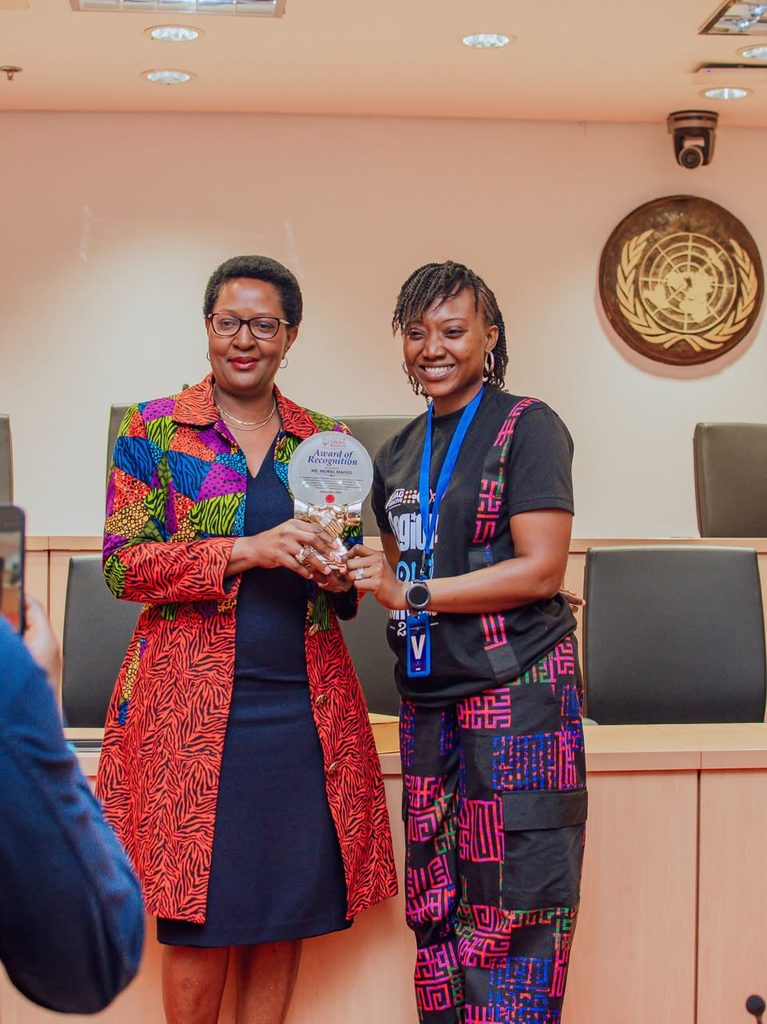
UNFPA Nigeria Resident Representative Muriel Mafico also challenged stakeholders to ensure that the outcomes of the convening go beyond recommendations.

“We should leave this convening with more than recommendations. For every promising solution, let us identify a policy home, an evidence pathway and an investment pathway,” she said.

The discussions also featured practical examples of approaches being used to strengthen adolescent health outcomes. A360 and the Society for Family Health showcased the 9ja Girls and Matasa Matan Arewa (MAYE) strategies, highlighting approaches to adolescent health programming and the importance of sustained investment.

Disability inclusion was also part of the conversation, with the Deaf Women Aloud Initiative bringing the experiences and perspectives of Deaf young people into broader discussions around health, participation and development.

For the young people participating, the convening was also an opportunity to affirm that youth participation is not simply about preparing young people for the future, but recognising their role in shaping the present.

“Because young people are not simply waiting to become the future. We are already shaping the present,” said Rebecca Adengbono, a NEXTGEN@SWAG Academy Fellow from Ghana. She noted that the fellowship had connected young leaders from across the region and created opportunities for them to exchange ideas and develop solutions around adolescent health and development.

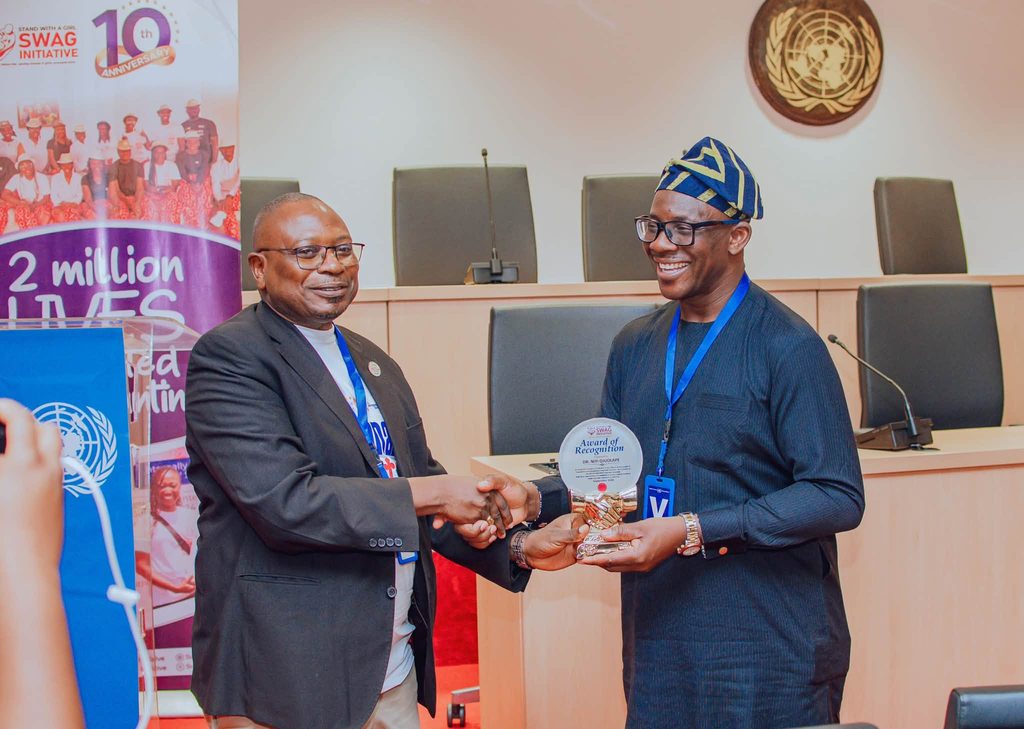
The convening also featured recognition for key stakeholders supporting the advancement of adolescent and youth health and development. Among those recognised were Ms. Muriel Mafico, Resident Representative of UNFPA Nigeria, and Dr. Niyi Olujape, who received Awards of Recognition from SWAG Initiative for their contributions and support.

The two-day gathering brought together different generations, sectors and countries around a shared conversation: how to ensure that young people are not only included in discussions about their health and future, but are given meaningful opportunities to shape the policies, systems and investments that affect them.

For SWAG Initiative, the convening represents another step towards strengthening youth-led action and building stronger regional pathways for adolescent health and development across West and Central Africa.

817742732 1084204933972653 6602475652193501725 n
818353527 1768934240972796 4162968292663450545 n

Godman Akinlabi Is Taking Free Healthcare to 10,000 Nigerians Through UBOMI

0

For thousands of Nigerians, the cost of seeing a doctor, getting a diagnostic test or undergoing surgery can be enough to delay care. Pistis Foundation is responding to that gap by taking its UBOMI free medical and surgical outreach to more communities, with a target of reaching 10,000 people across Ibadan and Lagos in 2026.

Founded as the social intervention arm of The Elevation Church, Pistis Foundation has positioned healthcare access as one of its major areas of work. Its flagship UBOMI programme provides medical consultations, laboratory and diagnostic services, pharmaceutical support, dental and eye care, paediatric services and general and specialist surgical procedures at no cost to beneficiaries.

The 2026 edition marks an expansion of the programme. For the first time, UBOMI is taking the outreach to Ibadan, where it will run from September 21 to 25, before returning to Lagos from October 19 to 23. Together, the two locations are expected to serve up to 10,000 beneficiaries, described by the foundation as the largest combined reach in the programme’s history.

Godman Akinlabi, founder and Board Chair of Pistis Foundation and Global Lead Pastor of The Elevation Church, says the initiative is driven by a simple concern: healthcare should not become inaccessible because someone cannot afford it or because adequate facilities are out of reach.

Through UBOMI, the foundation is attempting to take that principle beyond the church and directly into communities where financial and infrastructure barriers can prevent people from getting treatment.

The programme has already operated at considerable scale. Since its inception, UBOMI has delivered 48,706 verified medical interventions, with the foundation reporting a 99 per cent surgical success rate.

Those interventions have included surgeries, consultations, eye care, dental procedures, laboratory investigations, medications and other forms of medical support. In its 2025 programme alone, the foundation reported 17,416 free medical interventions for 5,635 beneficiaries, including 121 surgeries and more than 1,800 consultations.

The numbers point to an important feature of UBOMI: it is not designed solely as a one-day screening exercise. The programme combines preventive care with treatment and surgery, while also providing referrals and post-outreach support where required.

That breadth is particularly important for people who may enter the programme with a relatively simple health concern but discover that they need more extensive care. Eye conditions, dental problems, chronic illnesses and surgical needs can all become significantly more difficult to manage when treatment is delayed because of cost.

UBOMI relies heavily on partnerships to deliver that range of services. The 2026 programme is being implemented with The Elevation Church in Ibadan and Lagos, Pro-Health International as the technical partner, and Zenithcare Hospital in Oyo State and Hospital for Trauma and Surgery in Lagos as medical institutional partners.

Medical and non-medical volunteers are also central to the model. The foundation says more than 200 volunteers from Nigeria and beyond contribute to its outreaches each year, providing the human capacity needed to deliver services at scale.

For Leonard F. Thomas, Executive Director of Pistis Foundation, the expansion to Ibadan is about more than increasing the number of people reached. He has emphasised that behind the programme’s 10,000-person target are individual patients, families and stories.

That perspective captures what makes the UBOMI model significant. A statistic such as 48,706 interventions can communicate scale, but each intervention represents someone who was able to receive a consultation, medication, diagnostic service or procedure without having to carry the full financial burden.

As UBOMI expands to two cities in 2026, Pistis Foundation is testing what is possible when nonprofit organisations, healthcare professionals, hospitals, volunteers and other partners combine their resources around a single objective: making essential healthcare available to people who might otherwise struggle to access it.

The larger challenge, however, remains bigger than any single outreach. Free medical missions can provide immediate relief, but the continuing demand for them also highlights the deeper gaps in healthcare access that communities across Nigeria still face.

For Akinlabi and the team behind Pistis Foundation, UBOMI is one way of responding — one patient, one procedure and one community at a time.

From Potential to Possibility: HIDAH Foundation Equips Young Ghanaians for the Future

For many young people, having ambition is not the challenge. The greater challenge is having access to the knowledge, skills and opportunities needed to turn that ambition into something tangible.

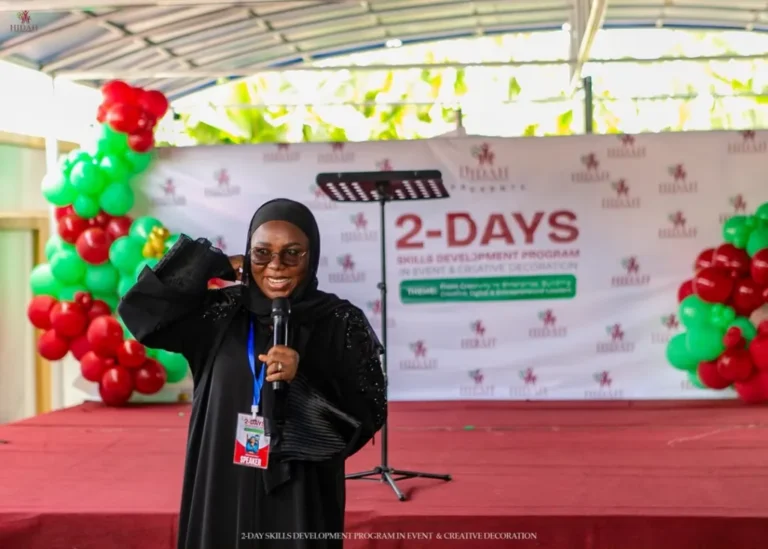
Seeking to bridge that gap, the HIDAH Humanitarian Foundation has organised a free two-day youth development programme designed to equip young Ghanaians with practical, future-ready skills for personal growth, leadership and entrepreneurship.

The programme, held at MAJD International School in East Legon, Accra, brought together young people for intensive sessions focused on skills development, confidence building, leadership and preparing participants for opportunities in an increasingly competitive world.

Led by the Founder of the HIDAH Humanitarian Foundation, Mujahida Ibrahim Prah, the initiative reflects the organisation’s commitment to investing in young people and helping them develop the capacity to create opportunities for themselves and contribute meaningfully to their communities.

Rather than limiting youth development to conventional classroom learning, the programme placed emphasis on practical knowledge and skills that participants can apply beyond the training environment.

Participants were exposed to conversations and activities designed to strengthen their confidence, develop their leadership abilities and encourage an entrepreneurial mindset.

The Foundation believes that equipping young people with relevant skills is critical to helping them navigate a rapidly changing economy, where traditional pathways to employment are increasingly being complemented by entrepreneurship, innovation and self-employment.

For Prah, youth empowerment goes beyond providing temporary assistance. It requires creating opportunities for young people to acquire knowledge, discover their abilities and develop the confidence to pursue their aspirations.

The free nature of the programme was also deliberate, allowing young people to participate without financial barriers becoming an obstacle to accessing developmental opportunities.

The initiative forms part of HIDAH Humanitarian Foundation’s broader commitment to supporting vulnerable and underserved communities through interventions in education, empowerment, skills development and humanitarian assistance.

As the two-day programme concluded, participants left with new knowledge, practical skills and a renewed understanding of their potential.

The Foundation said it intends to continue creating platforms that provide young people with the tools and support needed to build sustainable futures.

For HIDAH, the message is simple: when young people are given the right tools, knowledge and opportunities, potential can become possibility—and possibility can become impact.