


For many widows, losing a spouse can bring more than grief. It can also expose women to disputes over property, economic insecurity, discrimination and other forms of vulnerability.
The Rose of Sharon Foundation is calling for stronger action at the grassroots level to ensure that widows are not left to navigate these challenges without adequate protection and support.
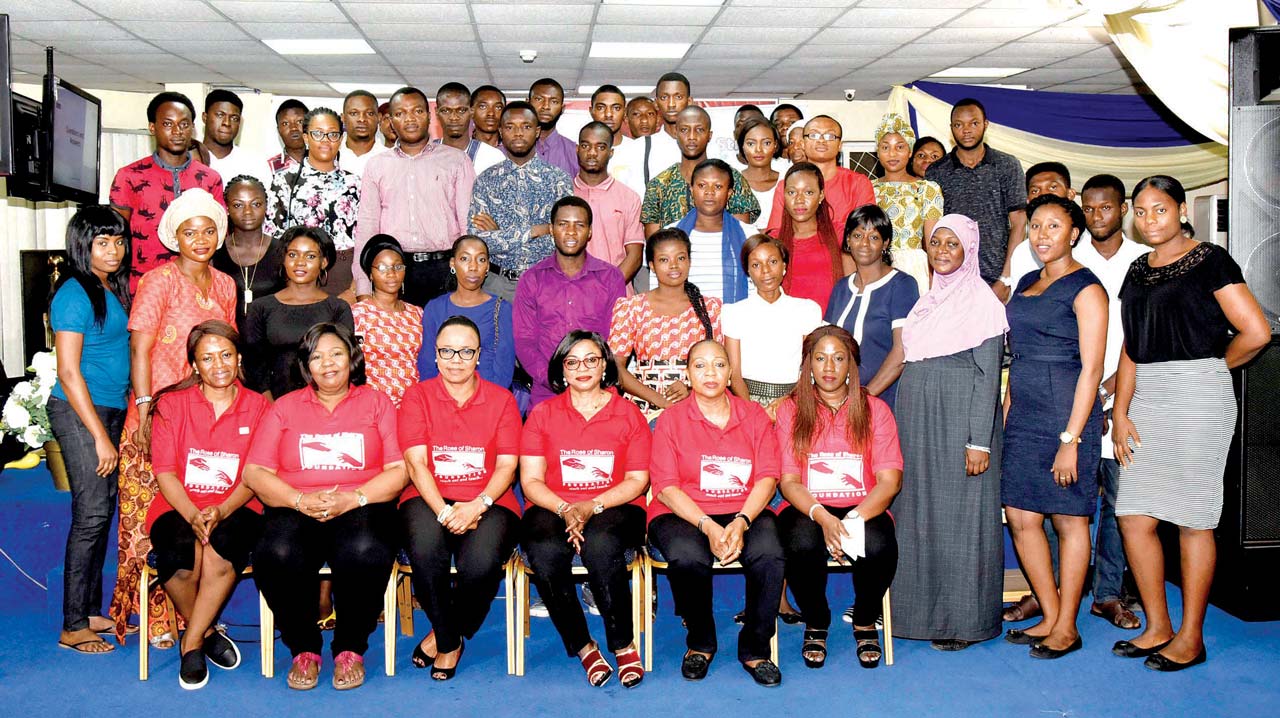
The foundation made the call at a Widowhood Rights Stakeholders’ Engagement in Lagos, bringing together stakeholders to discuss how advocacy for widows can translate into practical action within communities.
The conversation focused on the gap that can exist between recognising widows’ rights and ensuring those rights are protected in practice, particularly at the local government and community levels.
The foundation has spent more than 15 years working around the socio-economic and legal protection of widows and orphans. Its programmes include financial support, interest-free loans, vocational skills, education scholarships, healthcare and legal services. The organisation says it has directly impacted more than 4,262 widows since its establishment.
At the latest stakeholders’ engagement, the foundation highlighted the importance of moving beyond advocacy and ensuring that commitments made by community and local government stakeholders result in concrete interventions for widows.
Oloruntosin of the Rose of Sharon Foundation noted that while stakeholders had made commitments, the organisation was yet to identify specific interventions from local governments and communities that had directly resulted from its advocacy.
That gap points to a wider challenge in protecting women’s rights: policies and advocacy can create awareness, but their impact ultimately depends on whether women can access protection, legal remedies and support when they need them.
The foundation’s work has also included educating widows about their rights and connecting them to legal support. Its wider approach combines economic empowerment with socio-legal protection, recognising that financial independence and knowledge of one’s rights can both influence a widow’s ability to navigate difficult circumstances.
The latest engagement therefore places renewed attention on the role of local institutions and communities in protecting widows, particularly women who may have limited access to formal systems of justice and support.
For the Rose of Sharon Foundation, the next step is ensuring that conversations around widowhood rights translate into action — from community-level protection and legal support to economic opportunities that enable widows to rebuild their lives with greater security and dignity.
The message emerging from the engagement is straightforward: protecting widows’ rights cannot stop at awareness. It must reach the communities where violations occur and create practical pathways for women to seek support, protection and justice.