
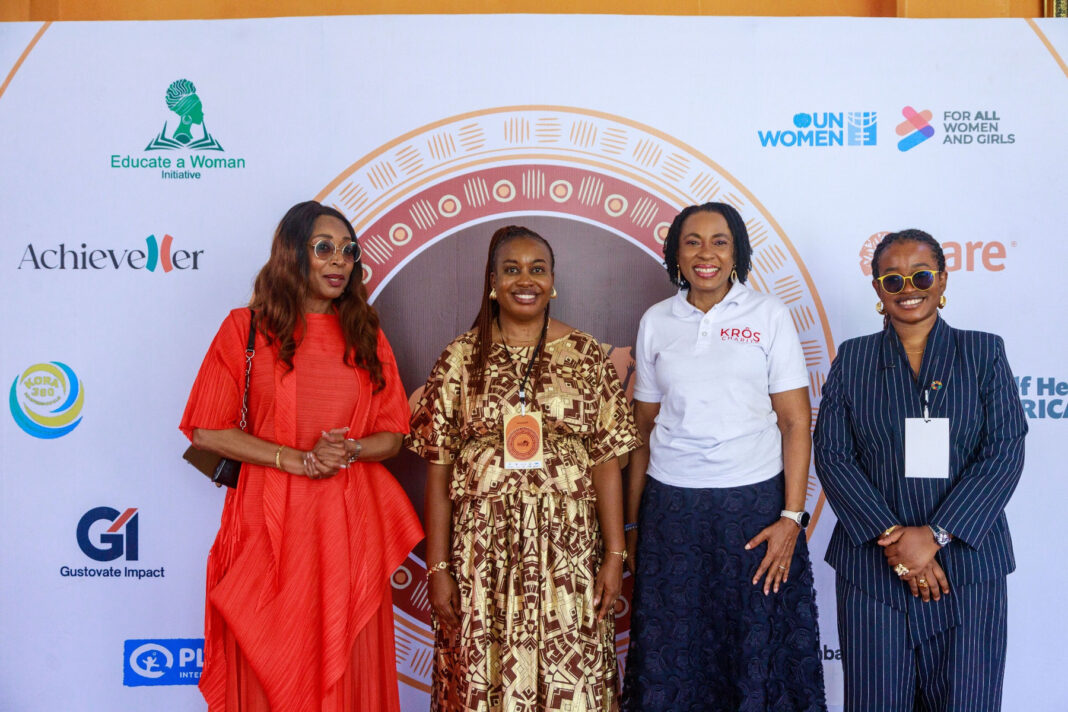
The inaugural African Girls’ Assembly has brought together adolescent girls, gender advocates and stakeholders in Abuja, calling for greater investment in girls’ leadership, confidence and participation in decision-making as part of efforts to advance the rights and empowerment of the girl child.
Held on Saturday, October 10, 2026, ahead of the International Day of the Girl Child, observed annually on October 11, the Assembly was convened by the Educate a Woman Initiative under the theme, “Empowered Girls, Transformational Leaders.”
The gathering sought to create a platform for girls to express their views, share experiences and engage in meaningful conversations about issues affecting their health, education, rights, wellbeing and future opportunities.
The Assembly aligned with this year’s International Day of the Girl Child theme, “End child marriage and invest in girls’ rights,” which highlights the need to protect girls from harmful practices and social norms while expanding opportunities for them to learn, make informed decisions and shape their futures.
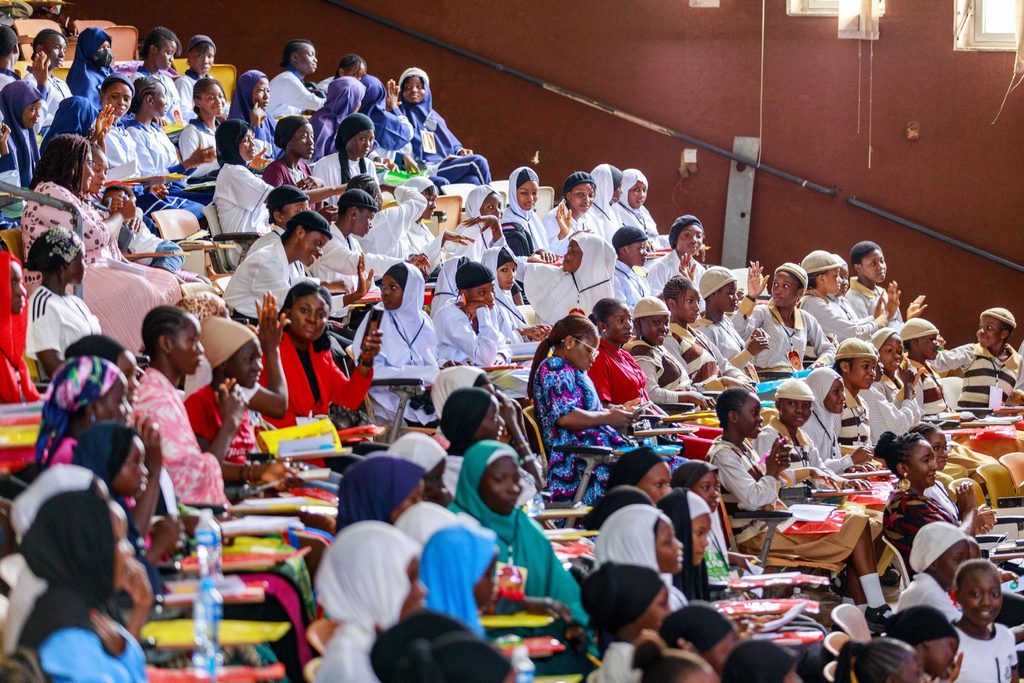
Speaking at the event, Mrs Joy Aderele, Convener of the African Girls’ Assembly and Country Director of Self Help Africa, emphasised the importance of investing in girls from an early age to prepare them for leadership. She noted that building their confidence, agency and networks would equip them to take up leadership positions and contribute meaningfully to their communities.
Aderele encouraged girls to speak up for themselves, express their opinions and advocate for others, stressing that meaningful representation requires the skills and confidence to lead effectively. The Assembly also welcomed participants from Zambia and The Gambia, highlighting its potential to grow into a broader continental platform for girls’ empowerment.
Also addressing participants, Mrs Love Idoko-Uloko, Founder of Activate Success International Foundation, urged girls to overcome fear, pursue their ambitions and develop confidence through action. She explained that leadership is not about being the loudest person in the room but about making a difference and solving problems.
Idoko-Uloko encouraged participants to develop ideas, address societal challenges and refuse to let difficult circumstances or past mistakes define their potential. Drawing from her entrepreneurial journey, she highlighted persistence and the courage to act despite uncertainty as important qualities for aspiring leaders.
Dr Adedayo Benjamins-Laniyi, Director-General and Chief Executive Officer of the Maryam Babangida National Centre for Women Development, challenged the girls to recognise their leadership potential in their homes, schools and communities. She emphasised that academic excellence must be complemented by courage, integrity and a commitment to truth, urging participants to remain authentic and pursue their ambitions regardless of their backgrounds or financial circumstances.
Similarly, Ellen Hahne, Head of Political and Trade Affairs at the Swedish Embassy in Abuja, affirmed that girls were already demonstrating leadership through their contributions to schools and communities. She encouraged them to use their voices to influence positive change and create opportunities for others, reaffirming Sweden’s commitment to gender equality.
Beyond the leadership discussions, the Assembly featured spoken-word performances and panel sessions, including “Rights and Advocacy: My Rights, My Voice, My Future,” which provided opportunities to examine girls’ rights and the importance of self-expression, advocacy and participation.

Participants also reinforced the need for girls to believe in their abilities, challenge gender-based limitations and speak up against barriers to education and equal opportunities. Eleora Aderemi urged girls not to allow their gender to restrict their ambitions, while Perfecta Silas called on them to demand their rights and ensure their voices were heard and respected.
The event also reflected the importance of adolescent girls’ health and wellbeing, including access to reproductive health information, menstrual education and guidance on making informed, healthy choices. These issues remain essential to ensuring that girls can navigate adolescence with the knowledge and support necessary for their development.
By bringing girls and stakeholders together, the African Girls’ Assembly underscored the need to move beyond conversations about empowerment towards practical investments in girls’ rights, leadership development and participation in decision-making.
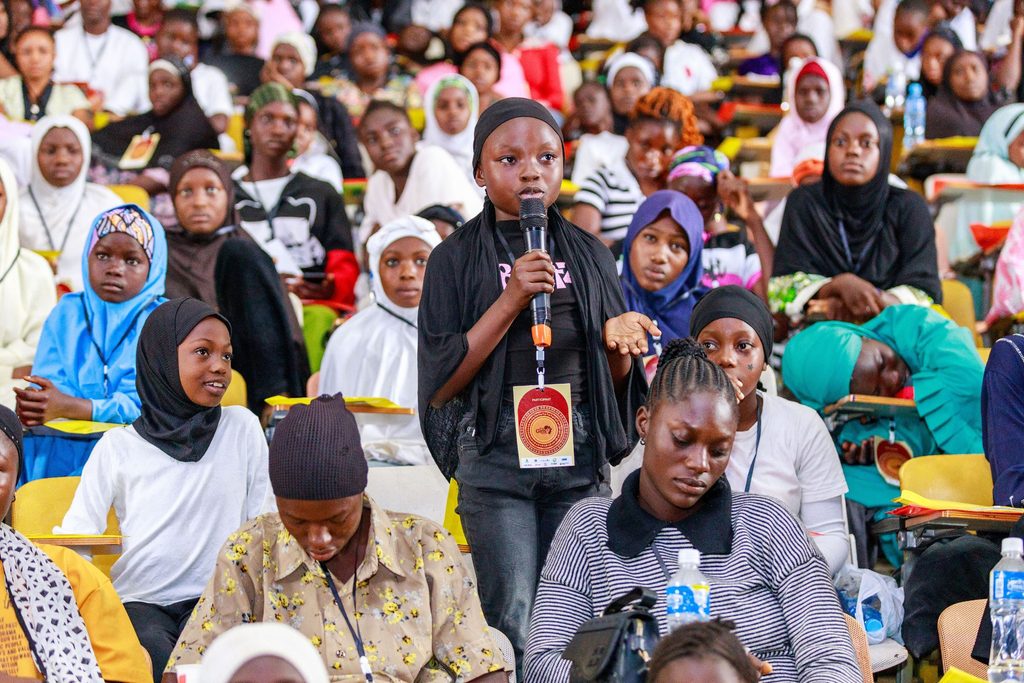
The gathering concluded with a clear message: girls must be encouraged to speak up, recognise their potential and take active roles in shaping their communities and society. Through sustained investment in their confidence, education, wellbeing and leadership skills, initiatives such as the African Girls’ Assembly can help prepare a generation of girls to become informed, capable and transformational leaders.