
Early Years education is often treated as the beginning of a child’s academic journey, but what happens during these formative years goes far beyond learning letters and numbers. It is where children begin to develop confidence, communication, independence, social skills and a sense of who they are.
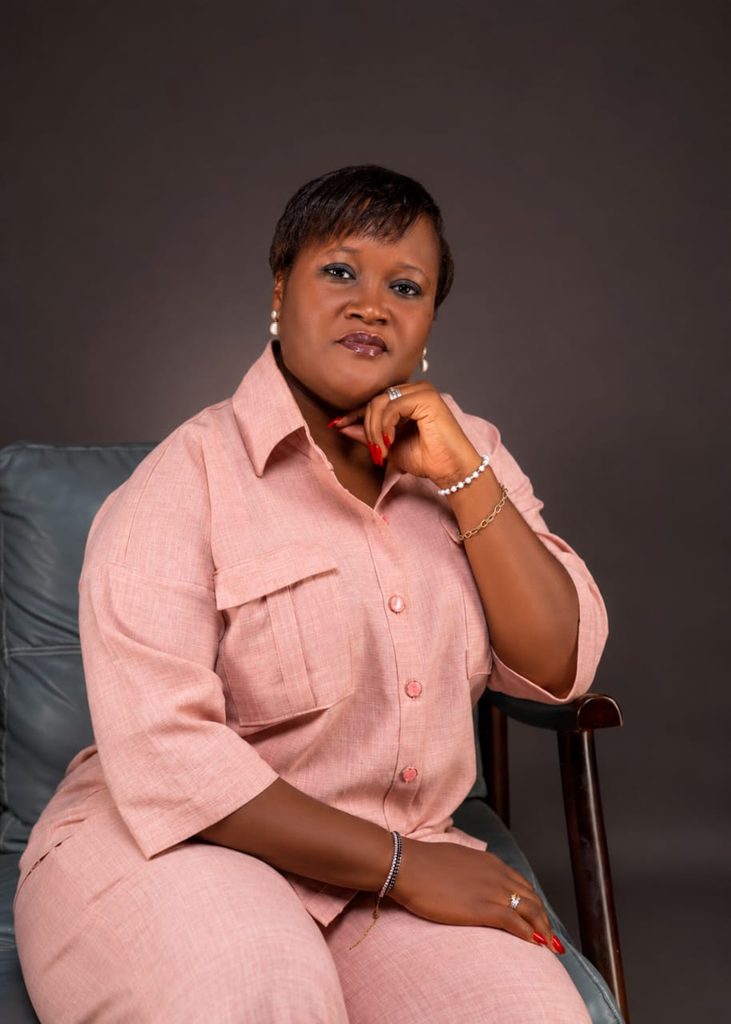
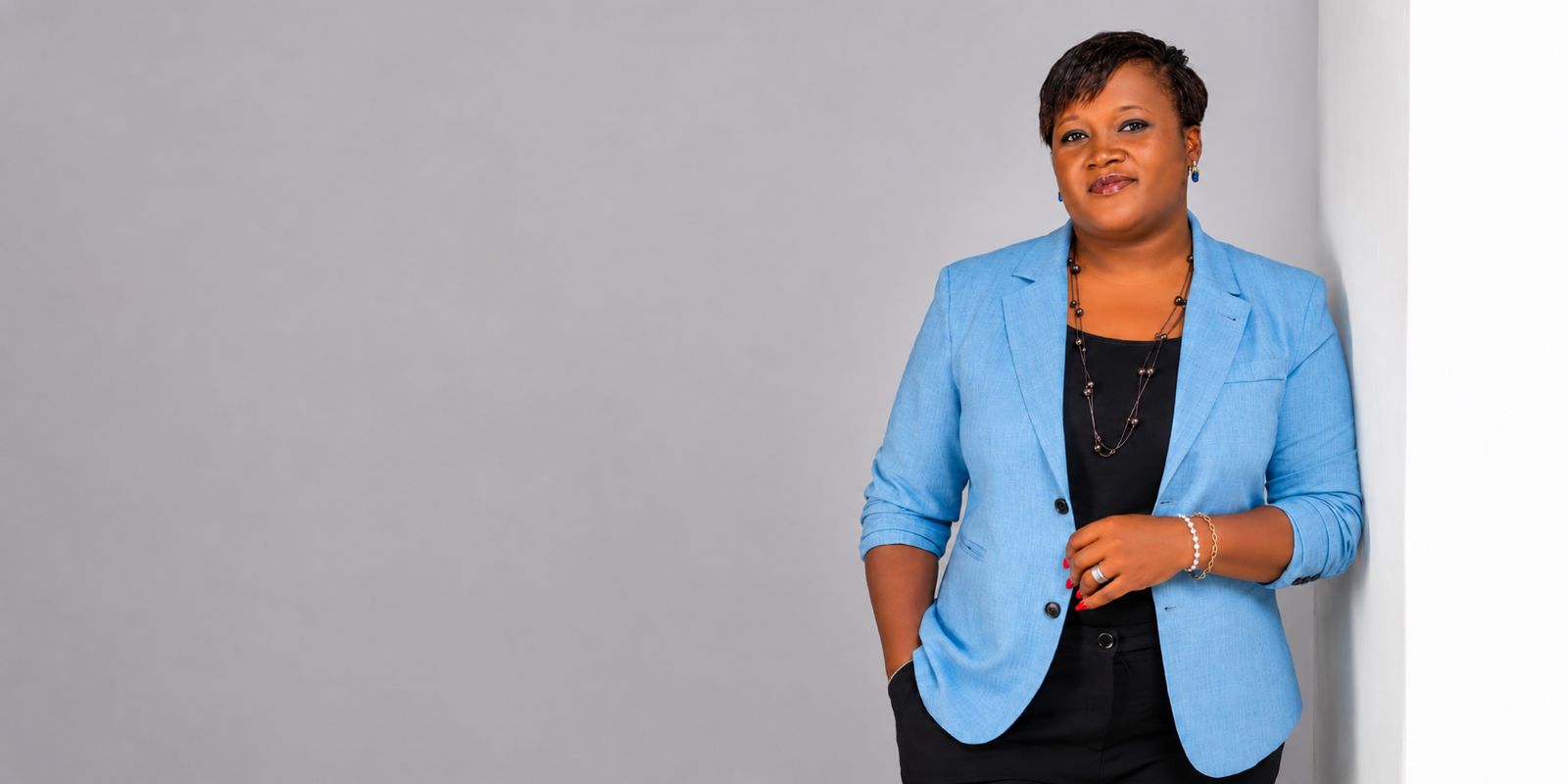
With years of experience in Early Years education, teacher development and curriculum implementation, Uche Okoro has made it her work to strengthen how educators and schools understand and approach this critical stage of learning.
We sat down with Okoro to talk about the state of Early Years education in Nigeria, the role of teachers, play-based learning, inclusion and safeguarding, and why she believes the country must begin taking the first five years of a child’s life much more seriously.
1. Uche, take us back to the beginning. What first drew you to Early Years education, and when did you realise that this was more than simply a career path for you?
This is an interesting one! In 2002, I had just finished secondary school and was waiting for my JAMB results. One morning, while my dad was dropping off my younger sisters at school, I noticed a school nearby and casually told him, “I’d like to work here.” Long story short, I got the job!
I started as an assistant teacher, helping to care for the children, making sure they were comfortable, feeding them, changing them and supervising them during playtime until their parents came to pick them up.
The children brought me so much joy. They made me laugh endlessly, and I found myself looking forward to going to school every single day. What started as something I simply wanted to try soon became something much deeper. I realised that I genuinely loved being around young children and found so much fulfilment in caring for and supporting them. That was the moment I knew I couldn’t imagine myself doing anything else. It was the beginning of a journey that has shaped who I am today.
2. You have worked closely with teachers, schools and education stakeholders over the years. What have you seen in our classrooms that made you realise there was a deeper problem with the way we approach Early Years education?
Sadly, many people still see Early Years education as a waste of time. They believe children simply go to school to play and that whatever is missed at this stage can easily be taught when they get to primary school. But Early Years is not a waiting room for “real learning” to begin. It is the foundation upon which future learning, development, confidence and character are built. When we miss the opportunity to get the foundation right, we don’t simply lose the moment; we can affect the future.
3. We often reduce Early Years education to teaching children their ABCs, numbers and basic classroom routines. What do you think we fundamentally misunderstand about what young children actually need to learn and develop?
There are milestones children need to achieve before we even get to ABCs and numbers. And when those milestones are in place, learning many other things becomes much easier.
For example, eye contact is something we look out for in the Early Years. But back in the day, a child looking directly at an adult while speaking could easily be seen as disrespectful. Yet, when a child can look at you while communicating, they are developing confidence and learning how to interact with others. The same goes for a 3-year-old being able to resolve a simple conflict with another child without an adult immediately jumping in. That is a milestone too, but as adults, we are often so quick to step in and solve everything for them.
That is exactly why we call it the Foundation. Early Years is not just about letters and numbers. It is about social interaction, communication, confidence, independence, problem-solving, emotional development and helping children develop a sense of who they are. When we get these things right from the beginning, we make the journey ahead so much easier for the child.
4. You have experience with the Early Years Foundation Stage (EYFS) and its implementation. What can Nigerian schools learn from the framework, and where do you think we need to adapt international approaches to fit our own context rather than simply copy them?
We must first understand our environment, culture, resources and what is realistic for Nigerian schools. The EYFS offers valuable lessons in play-based learning, child-centred practice, observation, inclusion and holistic development. These principles can strengthen how we support and develop young children in Nigeria.
However, we must avoid putting ourselves under pressure simply because we want to be like other countries. International approaches should be adapted to our realities, rather than copied without considering our context.
We need to consider factors such as class sizes, teacher capacity, resources and cultural expectations.
For me, the goal should be a globally informed but locally relevant Early Years system that works for Nigerian children.
5. Teachers are central to the quality of any education system, yet Early Years educators do not always receive the training, recognition or professional support they deserve. From your experience, what needs to change?
Teachers are at the heart of any education system, but sadly, Early Years teachers are still not given the training, recognition and support they truly deserve. I think one of the biggest things we need to change is how we see the Early Years teacher and the work they do.
For me, Early Years teachers MUST first understand how important their job is. You are not just keeping children busy, teaching them ABCs and 123s, or waiting for them to move on to primary school. You are laying the foundation for everything that comes after. The way you speak to a child, respond to their needs, encourage them to try and help them develop confidence can stay with that child for years.
So, we need to invest more in our Early Years educators, not just with one-off training, but with continuous professional development, coaching, mentorship and the right resources. And we also need to give them the recognition they deserve as professionals. If we want better outcomes for our children, we have to start by equipping and valuing the people who are shaping their earliest years.
6. You are particularly passionate about play-based learning, inclusion and safeguarding. How do these areas come together in creating an environment where a child can feel safe, seen and genuinely able to thrive?
Honestly, play-based learning, inclusion and safeguarding are three words that truly capture what my passion is about. I believe children learn best when they feel safe enough to explore, confident enough to express themselves and supported enough to be who they are.
Play gives children the freedom to explore, make choices, solve problems, communicate and learn in ways that are meaningful to them. Inclusion ensures that every child, regardless of their ability or background, feels seen, valued and given the opportunity to participate. And safeguarding creates the safe environment that makes all of this possible.
For me, these three areas cannot be separated. When children are safe, included and given the freedom to learn through play, they don’t just learn, they thrive. And that is really what I want every child to experience.
7. You founded The EYFS Hub. What gap did you see that made you decide to create it, and what kind of change are you hoping to drive through the platform?
I am particularly grateful for this question. Early Years Hub was born out of a gap I kept seeing in Early Years education: there are many passionate educators, but not enough access to practical training, the right support and a community that helps them grow and actually apply what they learn. I wanted to create something that goes beyond training just for the sake of training but something that equips educators with the knowledge, confidence, tools and support they need to transform what happens in their classrooms every day.
My vision is to build a community where Early Years educators can learn, connect, share ideas, ask questions, access practical resources and continuously develop professionally. I want us to move away from the idea that Early Years is simply about keeping children busy or teaching ABCs and 123s and help educators truly understand the importance of these foundational years.
Ultimately, I want to see a shift in the quality and perception of Early Years education across Africa, one educator, one classroom and one child at a time. Because when we change the people who shape the earliest years, we change the future of the children they serve.
8. After years of working in this space, what is one uncomfortable truth about Early Childhood Education in Nigeria that you believe we need to confront more honestly?
I think one uncomfortable truth we need to confront is that we still don’t take the first five years of a child’s life as seriously as we should. We talk a lot about education, but somehow, the Early Years are still treated as though they are just a stage children have to pass through before the “real learning” begins.
The government and the Ministry of Education need to do more to ensure that the message about the importance of these early years is taken seriously, not just through policies, but through proper funding, teacher training, monitoring and support for Early Years settings. We need to understand that what happens in those first five years can shape how a child learns, communicates, builds relationships, develops confidence and sees themselves.
For me, if we really want to change the education narrative in Nigeria, we have to start from the foundation. We cannot keep saying children will catch up later. By the time they get to primary school, so much has already been built or missed. The first five years matter, and we need to start treating them that way.
9. If you were given the opportunity to influence Early Years education in Nigeria at a policy level today, what are the first three things you would change?
Hmmm! This is a thought-provoking question indeed. But honestly, I have wished to be asked this question someday.
Sincerely, if I had the opportunity to influence Early Years education at policy level, my first three priorities would be the people, the practice and the priority we give to the Early Years.
First, I would invest in and professionalise Early Years teachers through quality training, continuous development, coaching and better recognition.
Second, I would strengthen the implementation of play-based, child-centred and developmentally appropriate learning, so we can stop pushing children into formal academics before they are ready.
Third, I would make the first five years a genuine national priority, with stronger government investment, policies, monitoring and public awareness. We cannot keep saying children will catch up later. If we want to change the future of education in Nigeria, we must fix it now!
10. Finally, when you look at the work you have done with children, teachers and schools, what do you hope your contribution will ultimately change about the way Nigeria understands and invests in the early years?
Honestly, I want to be that small voice that keeps disturbing the table until we finally get it right!
I want Nigeria to stop seeing Early Years as “just play” and start seeing it for what it really is, the foundation of everything that comes after.
I want teachers to understand the incredible responsibility they carry, schools to invest in quality Early Years practice, parents to value these years and government to put its money where its mouth is when it comes to Early Childhood Education.
If years from now, someone says, “Uche was part of the people who helped us change how Nigeria sees the Early Years,” I will be happy. I don’t need my name everywhere. Although, if they want to put a little plaque somewhere, I won’t complain!
But seriously, my biggest hope is that we stop waiting for children to get to primary school before we realise what they needed all along. I want us to get the foundation right, and I want to be one of the people who helped make that happen.