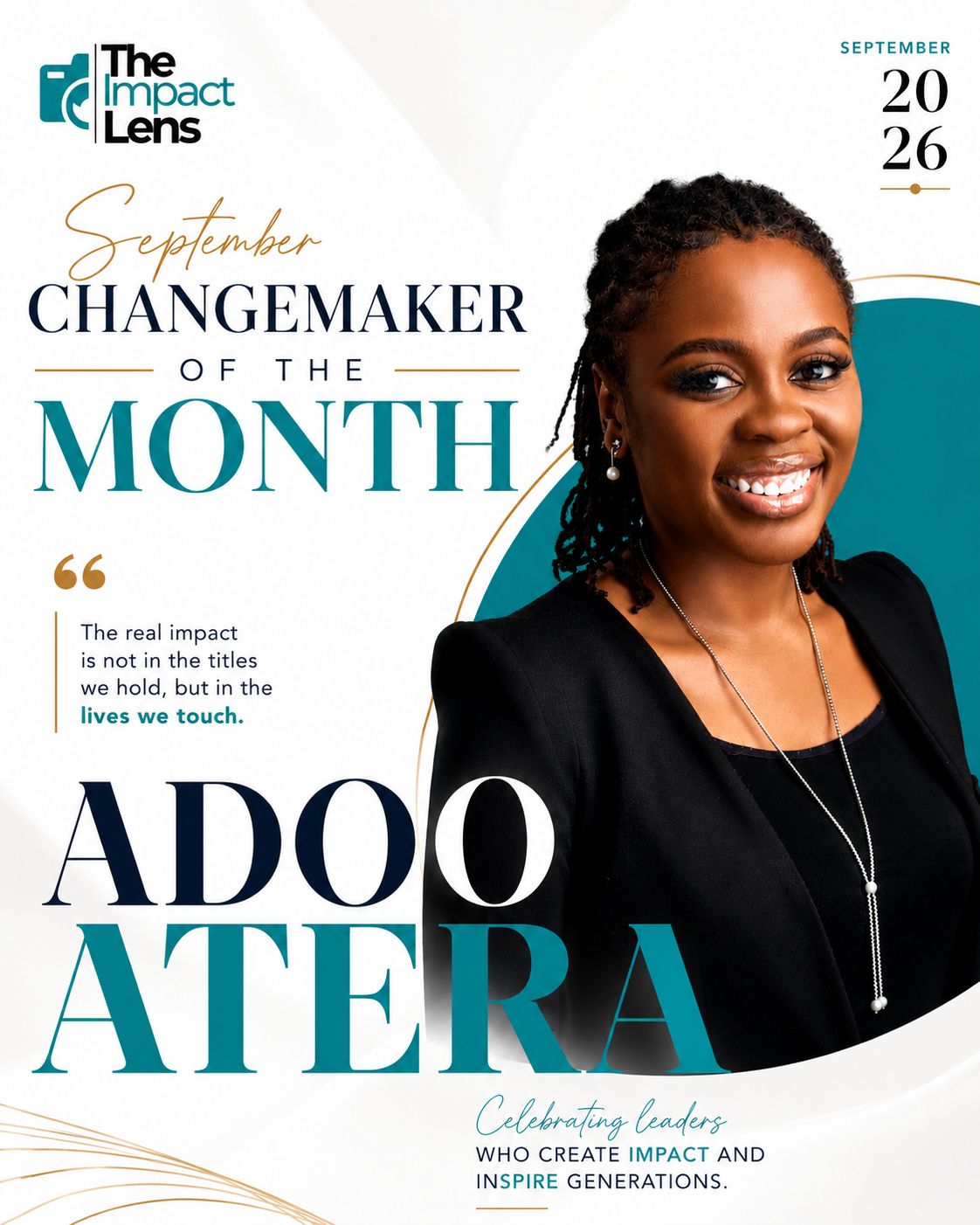

Nigeria must deliberately position women as investors, entrepreneurs, operators, policymakers and conservation leaders if the country is to unlock the full economic potential of its blue economy, maritime and coastal tourism advocate, Dr Chizoba Anyika, has said.
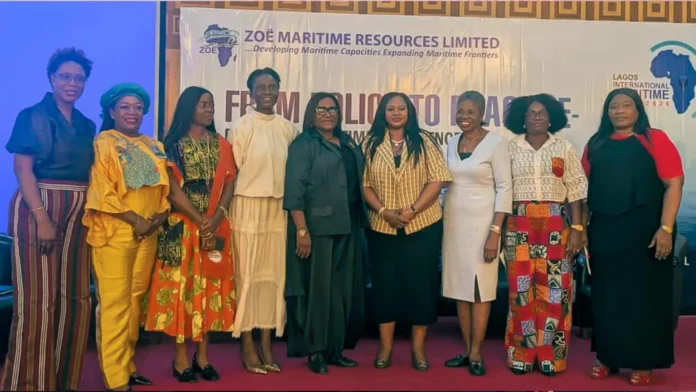
Anyika made the call while speaking at the Lagos International Maritime Week 2026 during a session themed “From Policy to Practice – Role of Women in Eco-Tourism.”
She challenged stakeholders to move beyond viewing women primarily as beneficiaries of tourism and development programmes and instead recognise them as critical economic actors capable of creating businesses, attracting investment, shaping policy and protecting Nigeria’s natural resources.
According to Anyika, Nigeria possesses significant untapped blue-economy assets, including its lagoons, beaches, mangroves, wetlands, islands, waterways, fishing communities and diverse coastal cultures.
Yet much of the economic value embedded in these resources remains unrealised.
She argued that the opportunity is not simply to build more hotels and resorts, but to develop complete tourism ecosystems that connect infrastructure, communities, enterprise, conservation and investment.
“Eco-tourism is the combination of tourism, conservation, community and economic value,” Anyika said, stressing that development must protect the natural and cultural assets that make destinations attractive while creating sustainable livelihoods for surrounding communities.
Women in coastal communities already possess many of the capabilities required to participate in this economy, including indigenous knowledge, culinary expertise, cultural knowledge, craft skills and entrepreneurial experience.
However, many continue to operate informally because they lack access to finance, infrastructure, relevant training, technology and markets.
For Anyika, the challenge is therefore not a lack of resources or talent, but the absence of an integrated ecosystem capable of converting those assets into sustainable economic opportunities.
From Policy to Impact
Anyika proposed a clear pathway for translating government policy into measurable economic outcomes:
Policy → Institutions → Investment → Infrastructure → People → Enterprise → Impact.
She explained that policies must be supported by institutions capable of facilitating investment and delivering the infrastructure required for businesses to thrive.
At the same time, people must have the skills, financing and opportunities necessary to build sustainable enterprises.
She stressed that women’s participation in eco-tourism should not be treated as a social intervention but as an economic strategy.
A properly developed coastal tourism destination, she noted, could create opportunities for women across hospitality, catering, transportation, tour operations, cultural entertainment, handicrafts, conservation, photography, digital marketing, event management and destination services.
The resulting economic activity would extend beyond individual businesses by increasing household incomes, creating employment and stimulating local economies.
Building More Than Resorts
Anyika also called for a broader understanding of what it takes to develop successful tourism destinations.
Hotels and resorts alone cannot create sustainable tourism economies.
She identified safe and accessible roads and waterways, functional jetties, reliable transportation, waste management, security, environmental protection, trained tour guides, recreational facilities, digital connectivity, clear signage and effective destination marketing as essential components of a functioning tourism ecosystem.
She pointed to destinations including the Lagos Lagoon, Tarkwa Bay and Ilashe as examples of coastal assets that could become significant engines of tourism, enterprise and employment if developed through appropriate planning, infrastructure, environmental safeguards and meaningful community participation.
Similar opportunities, she said, exist across Nigeria’s littoral states.
“Our coastal wealth should not remain beautiful scenery viewed from a distance. It should become productive economic infrastructure without destroying the ecosystems that make it valuable,” she said.
Putting Communities at the Centre
For Anyika, sustainable tourism must also ensure that the communities hosting tourism assets are active participants in the economic opportunities created.
Local boat operators, food entrepreneurs, craft producers, tour guides, cultural performers, photographers, transport providers and young entrepreneurs should be integrated into tourism value chains rather than excluded from developments taking place around them.
Such an approach, she argued, could make eco-tourism a practical tool for poverty reduction, youth employment, women’s economic empowerment and local development.
She also warned that economic development cannot be separated from environmental protection.
Pollution, uncontrolled development, poor waste management and ecosystem degradation threaten the very natural resources upon which the blue economy depends.
“If mangroves disappear, wetlands are destroyed, waterways become polluted and beaches become unsafe, the tourism economy itself is placed at risk,” she said.
A Call for Investment in Women
Anyika called on federal and state governments to deliberately integrate women into tourism and blue-economy planning.
She also urged financial institutions and development partners to create more accessible financing mechanisms for women-led tourism businesses, while encouraging training institutions to develop skills aligned with the needs of a modern eco-tourism economy.
Private investors, she said, should begin viewing coastal tourism not simply as a leisure opportunity but as a viable economic sector with the potential to generate employment, enterprise and long-term investment returns.
Central to her argument is the need for women to have greater representation in the decisions shaping Nigeria’s blue economy.
“The future woman in Nigeria’s coastal economy should not only be the person selling food beside a tourist destination. She should also be the chief executive of a tourism company, the owner of a boat fleet, the destination manager, the conservation entrepreneur, the investor and the policymaker,” Anyika said.
She described Nigeria’s coastline as more than a geographical boundary, calling it an economic frontier with the potential to support inclusive and sustainable growth.
For Nigeria to fully realise that potential, she said, stakeholders must move from acknowledging women’s capabilities to deliberately investing in them.
The objective, she concluded, should be to build a blue economy where conservation and commerce coexist, communities prosper, young people find meaningful opportunities and women occupy central positions in value creation.
“From policy to practice. From potential to productivity. From exclusion to inclusion. From blue wealth to shared prosperity,” she said.