


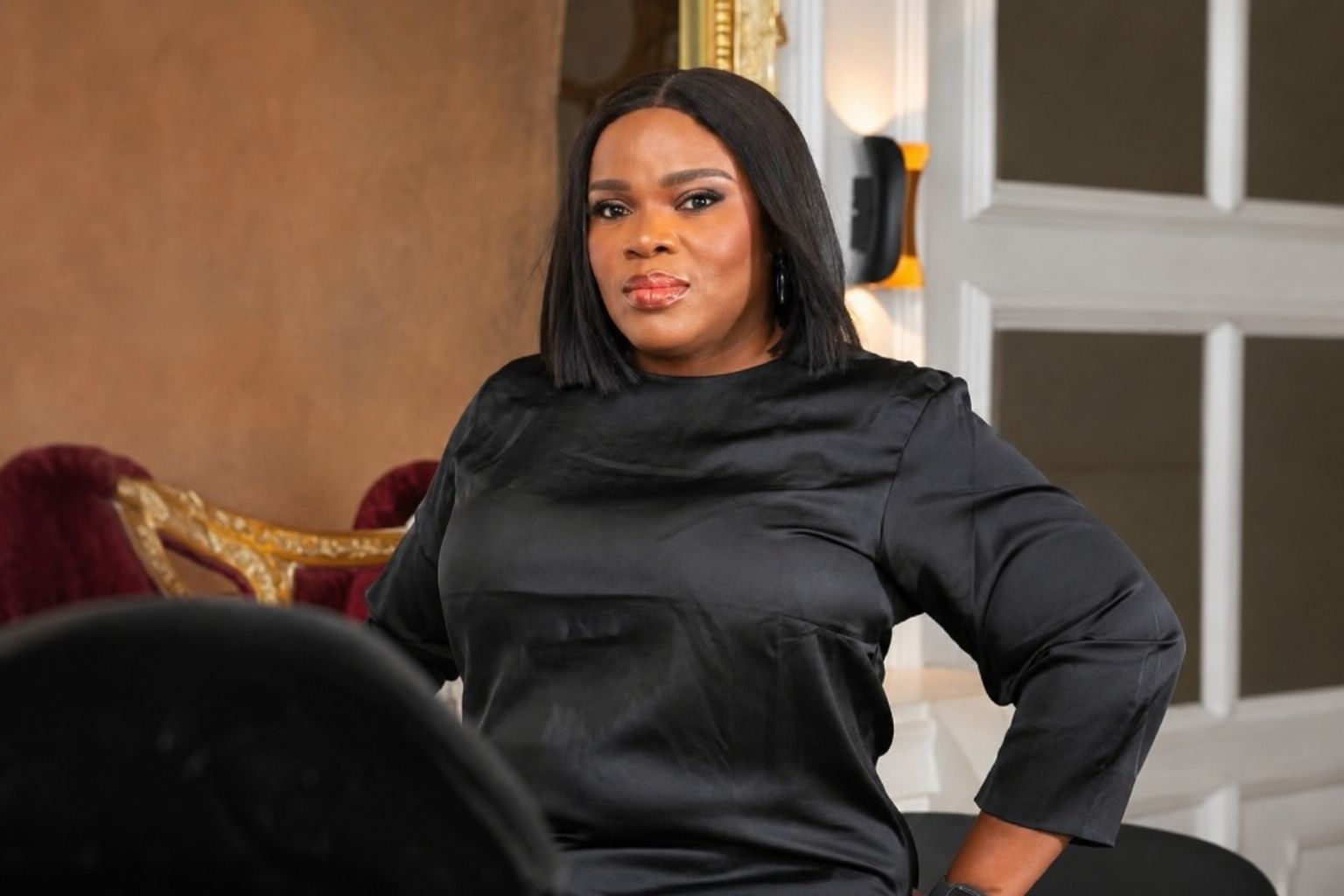
There are some stories you tell because they are inspiring. And then there are stories you tell because, somewhere inside them, is a piece of the human experience we don’t talk about enough. Tega Omogor’s is one of those stories.
Her work today is centred on helping women heal, recover and rebuild their lives. She is a therapist, addiction recovery professional, coach, speaker, mental-health advocate and the Founder and Executive Director of Flourish Life Centre, a faith-based, trauma-informed and empowerment-driven rehabilitation and wellness centre for women.
But there was a time when Tega herself needed to find her way back.
And perhaps that is the part of her story that makes everything she has become today mean so much more.
Before addiction advocacy became her life’s work, Tega was building a career of her own. She ran Imosewoman, a traditional bridal business focused on beautiful aso-oke, and was navigating adulthood, business and the possibilities ahead of her.
Then another chapter of her life began. One she would eventually have to fight her way out of.
Tega has never tried to make her story sound prettier than it was. As a young woman, she got involved with drugs. When asked what led her there, she spoke about both peer pressure and personal pressure. She wanted to be accepted. She wanted to belong in certain circles. She looked around and saw people involved in vices appearing to have the most fun, leading social groups and enjoying a kind of freedom that appealed to her.
And she followed.
Then she went deeper.
“Quite deep,” as she would later put it.
Years later, speaking about that period on television, Tega described a point when nothing else seemed to matter but getting a fix and she was willing to go to great lengths for it.
That is the part of her story that is easy to reduce to a sentence: Tega battled addiction and recovered.
But there is so much more inside those words.
Because recovery is not simply the moment a person stops using. It is the work of becoming a person again.
And Tega did.
She has been clean for many years. But when she came out on the other side, she did something unexpected with what she had survived.
She started talking about it.
In 2018, Tega described herself publicly as a survivor and drug-abuse therapist. Her initial mission was straightforward: help create a drug-free environment where the next generation could become all they were created to be.
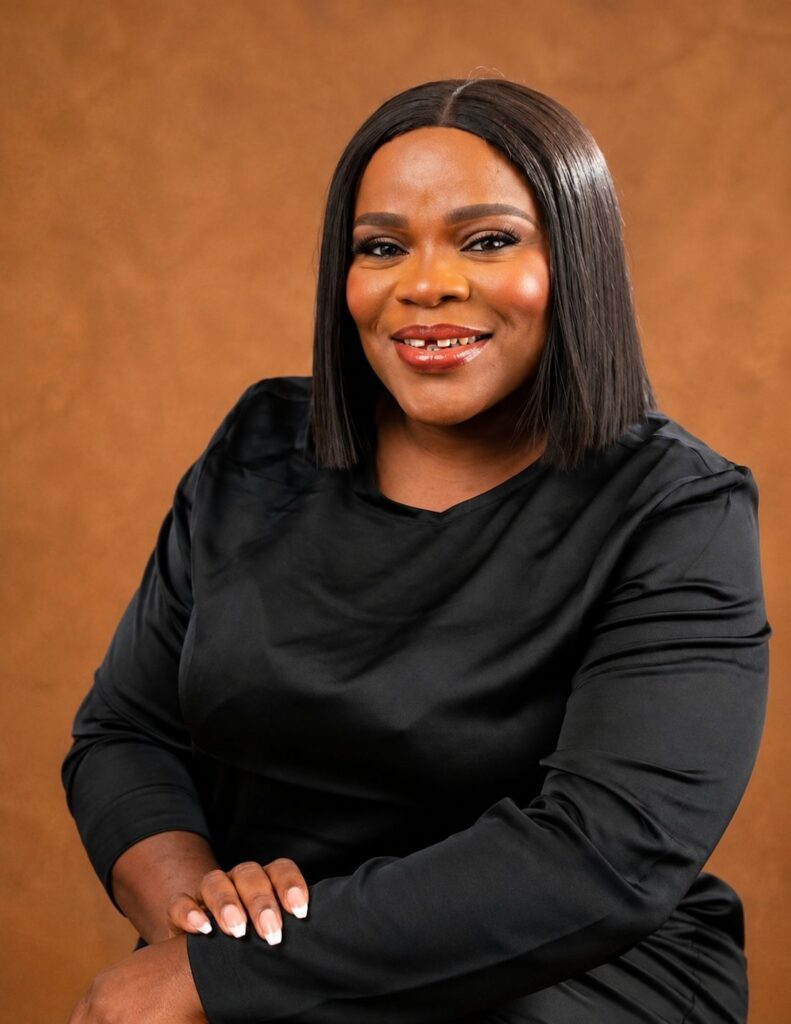
But once she began doing the work, she discovered something she hadn’t fully understood before.
The problem was everywhere.
Parents began sending her messages. People who were using drugs reached out. People in recovery reached out. People looking for help reached out. And then there were the stories.
Tega said the response to her work was “pleasantly surprising” because until she began doing it, she had not realised how deeply drug use had eaten into society. She also noticed something that stayed with her: people who had struggled with addiction often said that if they had known better, they might not have fallen victim to the people who introduced them to that lifestyle.
That changed something.
Because now this was no longer only about her story. It was about the next young person, the next family, the next girl who wanted desperately to belong, the next teenager who thought experimentation was harmless, and the next parent who might not recognise the signs until it was too late.
And Tega decided she wanted to get there earlier.
Through her work with Back to Light Foundation, Tega began taking the conversation into schools and communities. In 2019, she was part of an awareness campaign in Abuja calling for stronger drug education in schools. She argued that children and parents needed to be educated continuously about substance use and that drug education should be incorporated into the school curriculum. She also stressed that government could not solve the problem alone.
Her own experience had shown her what could happen when people entered that road without understanding where it could lead. So she began trying to light the road before others got there. She encouraged parents to know their children well enough to notice changes in their personalities and behaviour, to know their friends and to stay connected to what was happening in their children’s lives.
It was prevention, but it was also something deeper: connection.
The longer Tega worked in this space, the more complicated the picture became. Substance use was not always the beginning of the story. Sometimes, it was a response to something else.
Pain. Stress. Trauma. Low self-worth. A need for acceptance. A lack of healthy coping mechanisms.
And if you only tell someone to stop the behaviour without understanding what is underneath it, you may never address the reason they reached for it in the first place.
This began to change the kind of work Tega wanted to do. She moved increasingly into mental health, emotional wellness, behavioural change and recovery. She trained in NLP and positive psychology. She became an emotional intelligence coach, trauma-informed counsellor and certified mental health and addiction therapist.
But her qualifications were not replacing her lived experience. They were giving her more tools to understand it. More tools to help someone else. More language for the things she had already begun to see.
And eventually, her work became about more than helping people stay away from drugs.
It became about helping people understand themselves.
There is a sentence Tega once said that perhaps captures her journey better than any professional biography could. She was speaking about young people, education, mental health and the importance of adults being intentional about understanding children.
And then she said:
“I want to be the person that I needed at that age.”
That sentence feels almost like a key to everything.
Because it explains why she keeps going back to young people, why she speaks about prevention, why she talks about mental health, why she cares about the emotional lives of people, and why recovery, for her, cannot simply mean stopping a substance.
She knows what it means to need someone who understands.
And she has decided to become that person for somebody else.
At some point, Tega’s work began asking an even bigger question.
What happens when a person has stopped surviving? What happens next?
Because being free from addiction is important. But it does not automatically mean that everything underneath it has healed. A person may still have trauma. They may still struggle with their identity. They may still not know how to regulate their emotions. They may still carry shame. They may still need to rebuild relationships. They may still need to learn how to live differently.
And this is where Tega’s work with women has become particularly significant.
Today, through Flourish Life Centre, she is building a space where women can receive holistic support for recovery and wellness. The centre is faith-based, trauma-informed and empowerment-driven.
And the name says something about the destination.
Flourish.
Not merely survive. Not merely stop. Not merely recover enough to get through another day. Flourish. Reinvent. Blossom. Build again. Become.
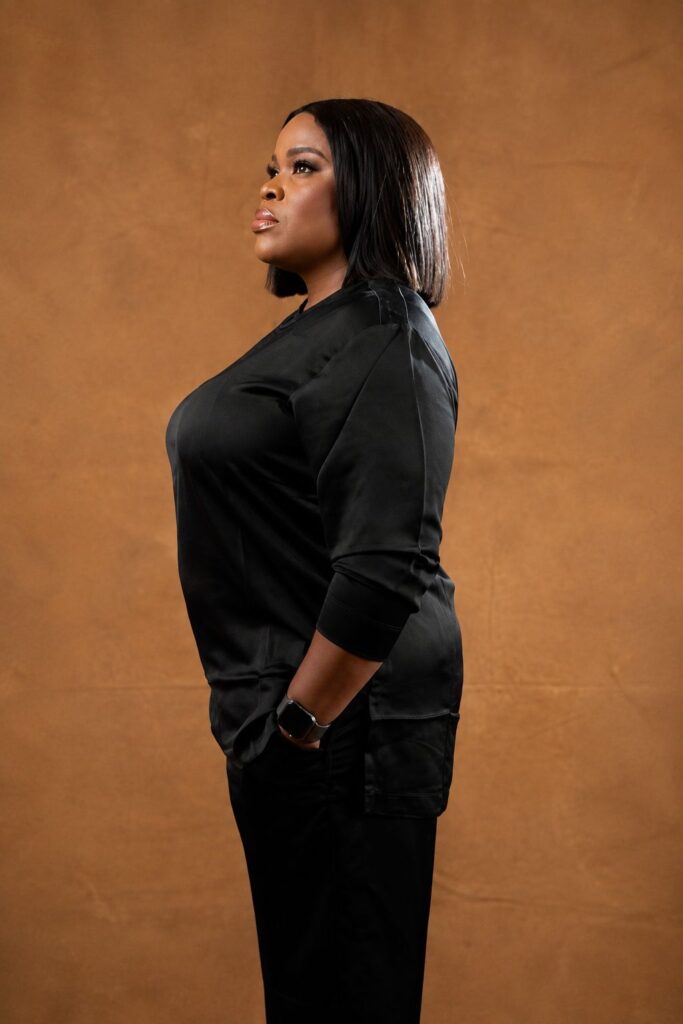
That is a very different understanding of recovery. And perhaps it could only have come from someone whose own journey taught her that getting out of a dark place is only the beginning.
Tega’s work has continued to grow beyond one organisation or one issue. Through Tega Omogor Consults, she coaches and trains individuals around emotional wellness, leadership and life skills. She has become a public speaker and trainer, taking conversations about mental health, substance use, recovery and personal transformation to schools, conferences, communities and media platforms.
She has also created Unbreakable by Tega Omogor, a podcast built around resilience and the decision not to allow life’s challenges to break you. Her work has also included training around breaking the addiction cycle, with a focus on stress, self-awareness and healthy coping mechanisms, recognising that understanding triggers and developing better ways to respond to stress are critical parts of sustaining recovery.
She serves as a War Against Drug Abuse Ambassador with the NDLEA and has been involved in professional and advocacy networks focused on substance use and mental health.
And she continues to speak. Sometimes to teenagers. Sometimes to parents. Sometimes to women. Sometimes to professionals. But underneath all those conversations is the same conviction: People can change.
There is a temptation when telling stories like Tega’s to make the ending too simple. She struggled. She recovered. She became a therapist. But real lives don’t happen in three neat chapters.
Tega’s story is about evolution.
The young woman who wanted to belong. The woman who went deeper into substance use than she ever intended. The woman who found her way out. The woman who discovered, after recovery, that there were other people who needed someone to help them find their way too.
The advocate who started talking to schools. The counsellor who began understanding the emotional roots beneath behaviour. The woman who kept learning. The coach. The speaker. The therapist. The mother. The wife. The founder.
And now, the woman creating a place where other women can come to terms with their stories and begin writing new ones.
Perhaps that is why Tega’s story resonates.
Because she did not simply leave one life behind and start another.
She carried the lessons with her.
She took what could have remained a private source of shame and made it public enough to save someone else. She took experience and turned it into expertise. She took recovery and turned it into responsibility. She took pain and asked what it could produce.
And she took the road she once struggled to find and began putting lights along it for others.
Tega Omogor found her way back.
And then she became a light for others.