
Ruth Rishazan Francis is a zoologist-in-training, writer, poet, and spoken-word artist passionate about storytelling and creating meaningful change in her community. She is the founder of Diverse Impact Initiative (DII), an organisation through which she is building initiatives to support teenage girls and children from underserved backgrounds. Through Project EchoHer, she has reached 45 girls with conversations around identity, while EduCause has supported 39 children’s education.
Her interest in social impact grew from observing challenges within her community, particularly teenage pregnancy and school dropouts. These experiences led her to reflect on the role of identity, confidence, and access to education in shaping young people’s futures. Her participation in the Impact Training Room (ITR) Fellowship further encouraged her to move from wanting to make a difference to taking practical steps towards it.
Beyond her work, Ruth is guided by her Christian faith and values integrity, empathy, authenticity, responsibility, and continuous growth. She is also passionate about mentorship and hopes to create opportunities for younger girls to understand themselves better and pursue their aspirations with confidence.
In this interview with The Impact Lens (TIL), we sat down with Ruth to discuss the values that guide her, the personal experiences behind her passion for social impact, the lessons she has learnt through volunteering and mentorship, and her vision for helping girls discover their identity while making education more accessible to children in her community.
TIL: Before we talk about your work, tell us about Ruth Rishazan Francis. Who are you, what matters most to you, and what values guide the way you live and relate with people?
Ruth Rishazan Francis: Before I am anything, I am first a child of God. This is the very foundation on which my life and everything I do are built.
I am also a writer, poet, and spoken-word artist. These are not just things I do. They come from a place of passion and inspiration. I am a very expressive person, and writing helps me express myself while also forcing me to look inward.
Colours are another form of expression for me. I think it is safe to call myself an aesthete because, ever since I was a little girl, I have loved anything that has to do with beauty. Whenever I enter a place, I seem to notice the design or artwork first. One of the things that matters most to me is the ability to create something beautiful simply by blending colours together.
I also value peace. Having my quiet time, free from noise and distractions, is important to me. My loved ones matter a great deal to me, too, and I love spending quality time with them. After everything, I believe everyone needs a space they can always return to, a place where they feel safe and loved.
Above all, fulfilling my purpose and becoming the person God wants me to be are very important to me. It is easy to get carried away by the glitz and glamour of life, but no matter where I find myself, as long as I am walking in God’s will, I am okay.
The values that guide how I live and relate to people are integrity, empathy, authenticity, responsibility, and a commitment to continuous growth. I believe in treating people with kindness and consideration, making an effort to understand their perspectives, and being mindful of my words because words are powerful.
Ultimately, I believe it is less about what we do and more about who we become in the process.
TIL: You are passionate about storytelling, public speaking, and creating meaningful change in your community. Where does this passion come from, and how have your personal experiences shaped the person you are becoming?
Ruth Rishazan Francis: The passion for impact has always been there, if I may say so myself. I just needed something to ignite it.
I would see problems around me and feel angry about them, and even more frustrated when I couldn’t do anything to help. Over time, I realised that while it is impossible to solve every problem on the planet, I could start by addressing the ones within my capacity. That was how I began my journey.
My experiences have also played a significant role in shaping who I am becoming.
Growing up, I wasn’t very outspoken or confident, and that cost me opportunities and other things. Eventually, I realised that I wasn’t the only one who felt that way. Many girls also craved love, acceptance, and a sense of belonging.
I began to ask myself, since I have recognised these struggles and am learning to overcome them, why not help younger girls understand themselves better so they don’t have to go through some of the things I experienced?
That was how EchoHer was born. Through the process, I have learnt a great deal about myself, and I am still learning. It has been a journey of growth, not just for the girls I hope to impact but for me as well.
TIL: You have spoken about noticing the rising rate of teenage pregnancy and school dropouts in your community. What did you observe, and how did these experiences influence the causes you eventually chose to pursue?
Ruth Rishazan Francis: Speaking generally, the experiences and reasons may differ, but some of the underlying factors are often similar.
There are numerous reasons girls become involved in situations that lead to teenage pregnancy. From my observations, some of their actions are driven by peer pressure and the desire to fit in.
Here, it is not uncommon to see young girls spending their evenings roaming around with friends or in the company of boys. As they grow into their teenage years, some begin to change the way they dress in an attempt to appear attractive. Unfortunately, this can sometimes expose them to people who take advantage of their naivety and vulnerability.
I have observed these patterns for a long time, and I began to think about how early education could help reshape their thinking, equip them with the right knowledge, and help them make informed decisions about their lives.
I believe that when girls understand their worth, recognise unhealthy influences, and develop the confidence to make decisions for themselves, they are better equipped to navigate life’s challenges.
TIL: You lead Diverse Impact Initiative, with projects focused on teenage girls and children’s education. What inspired you to establish the initiative, and what kind of change do you ultimately want to see in your community?
Ruth Rishazan Francis: Diverse Impact Initiative was created to serve as an umbrella for the projects I hope to execute in the future. Currently, two of these projects, EchoHer and EduCause, are operational.
Through EchoHer, I want to help girls develop a deeper understanding of who they are, what they want for themselves, and the kind of lives they want to build. My hope is to equip them with the knowledge and confidence to make informed decisions and pursue their aspirations.
Through EduCause, I want to address educational barriers by ensuring that children are not denied access to education simply because they cannot afford school fees or lack essential learning materials.
Beyond providing immediate assistance, I would love to see EduCause grow to the point where we can sponsor children throughout their education, giving them the support they need to complete school and build better futures for themselves.
Ultimately, I want Diverse Impact Initiative to become a platform through which I can contribute to meaningful, sustainable change in different areas of people’s lives.
TIL: Project EchoHer focuses on helping teenage girls and young women understand their identity. Why is identity such an important issue to you, and what do you believe young girls need to understand about themselves as they grow up?
Ruth Rishazan Francis: Identity is a very important topic because it touches the very core of who we are and who we believe ourselves to be. It influences how we show up, the relationships we build, and the things we dare to do. It affects almost every aspect of our lives, which is why I chose to focus on it.
Of course, other factors influence our decisions and experiences, but I believe identity plays a major role.
Every girl deserves to understand who she truly is. Her background, circumstances, mistakes, social status, people’s opinions of her, and trends do not define her worth or determine her future.
Many people carry a distorted view of themselves, which can make them vulnerable to manipulation. Sometimes, they lack the confidence to pursue their dreams simply because they do not believe they are capable of achieving them.
Low self-esteem can affect a person’s decisions, relationships, and willingness to take opportunities. It can cause people to settle for less than they deserve or hold themselves back from becoming who they could be.
That is one of the things I hope to address through EchoHer.
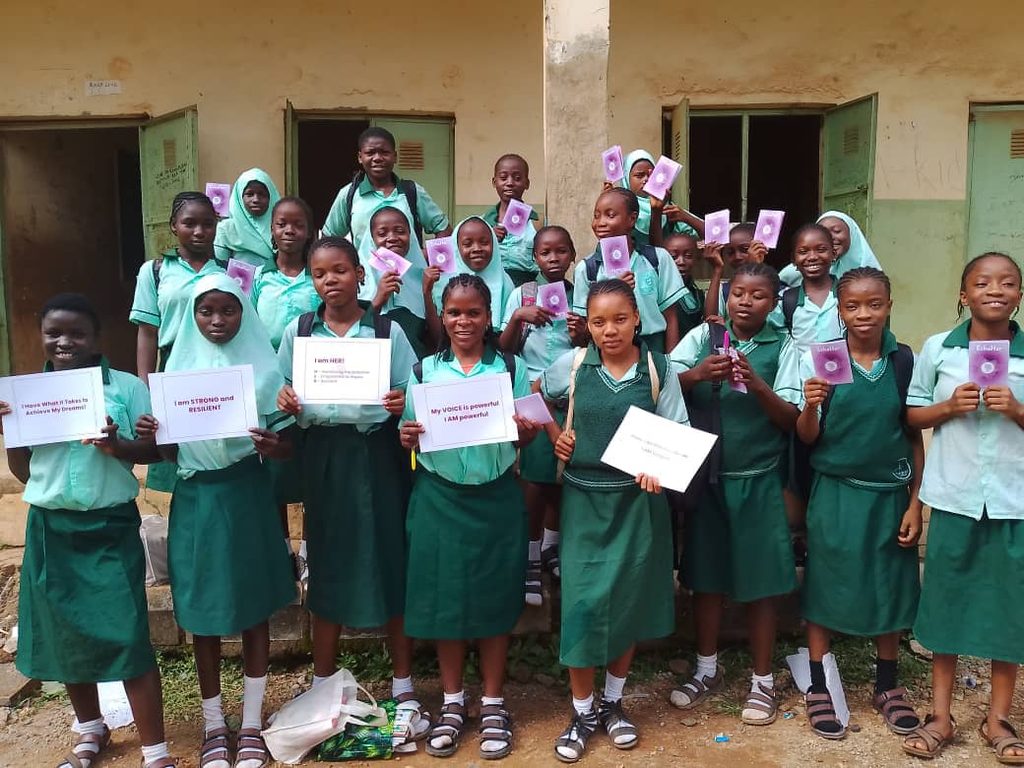
TIL: Your first Project EchoHer session reached 45 girls and featured an original theme song and a booklet about identity. What was that experience like for you, and was there a particular moment or response from a participant that reminded you why the work matters?
Ruth Rishazan Francis: My first experience with EchoHer was definitely an eye-opener.
In all honesty, I was afraid. I didn’t think I was in the best position to host something like that because I was still working on building my own confidence. However, I knew I couldn’t turn back at that point. Besides, I was going to speak about identity and confidence, so I had to believe that I was capable of doing it.
The experience was overwhelming, but also liberating and heartwarming. It made me realise that I was capable of things I had never imagined myself doing. Seeing the glow on the girls’ faces as I spoke to them touched me deeply. It pulled at my heartstrings, and I felt so happy that I hadn’t allowed fear to make me back out.
That experience strengthened my resolve, and I don’t intend to let fear stop me from taking such steps anytime soon.
I have no doubt that at least one girl went home with something meaningful, whether it was a new perspective, a sense of encouragement, or a better understanding of herself. And for me, that alone made the experience worthwhile.
TIL: Through EduCause, you support children from financially struggling families by helping them pay their school fees. What have you learnt about the barriers these children face, and why is keeping them in school a cause you are committed to?
Ruth Rishazan Francis: Most children who stay out of school do not necessarily do so because they want to. There are multiple reasons behind it, but regardless of the cause, the results are usually not good.
Limited access to education can mean fewer opportunities in the future and increased vulnerability to exploitation, among other challenges.
The needs of these children differ, and I understand that school fees and learning materials are not the only barriers to education. However, I am committed to addressing the needs I can currently help with, particularly the cost of school fees and essential learning materials.
There may be deeper issues behind a child’s inability to attend school, and I may not have the capacity to address every one of them. But if providing support in the little way I can means a child gets the opportunity to learn, grow, and build a better future, then it is something I am willing to do.
TIL: Before launching Project EchoHer, you participated in the Impact Training Room Fellowship, where you were encouraged to turn your learning into action. How did that experience shape your approach to social impact, and what challenges have you encountered while putting your ideas into practice?
Ruth Rishazan Francis: ITR was the first fellowship I ever attended, and it opened my eyes to new possibilities.
I learnt that having the desire to do good is not enough. You also need knowledge, a dedicated team, exposure, mentorship, and an open mind. I also realised that sometimes, what you think is the problem that needs solving may not actually be the real problem. Proper research and a deeper understanding of the situation are necessary before taking action.
We were given a deadline to execute our projects, so I had to work as quickly as possible. During the process of executing my first project, I encountered several challenges and resistance. It was frustrating at times, and there were moments when I was tempted to give up and go home.
I needed to raise a certain amount of money, which was difficult because not everyone believes in social impact or is willing to contribute to it. I also had to seek permission from the board of education, and getting approval proved more challenging than I had anticipated.
I didn’t think making an impact would be so difficult. However, the experience taught me valuable lessons about patience, persistence, planning, and how real things can get in the journey of impact-making.
It gave me practical knowledge of what to expect and helped me understand that meaningful impact requires more than good intentions. It requires preparation and a willingness to learn.
TIL: What has your experience with volunteering been like, and how has it shaped the way you see service, leadership, and making a difference in your community?
Ruth Rishazan Francis: Choosing to volunteer has been one of the best decisions I have made so far.
I wouldn’t say I started volunteering with the intention of serving. My initial motivation was simply to gain experience. However, my perspective changed along the way.
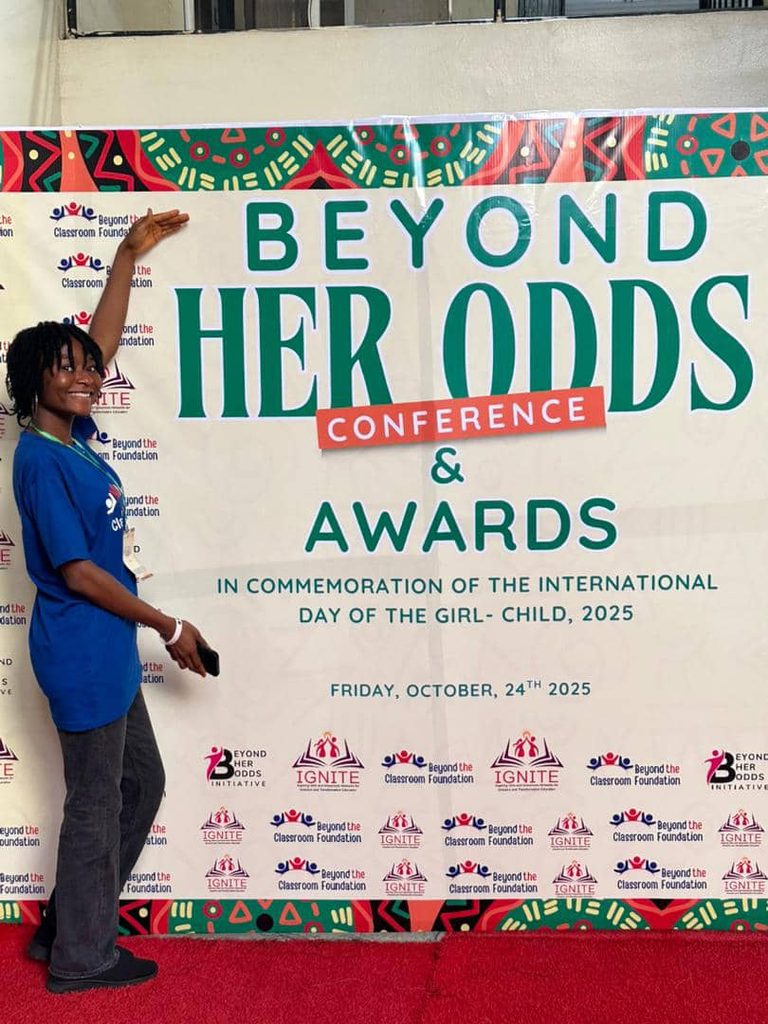
I volunteered with an organisation called Beyond the Classroom Foundation, which happened to be the first organisation I served with, and I am glad it was. It was there that I began to understand the true meaning of impact.
I never really expected to gain much beyond experience, but seeing how volunteers were treated and the values the organisation upheld challenged what I previously knew about volunteering.
I have come to understand that impact is not necessarily about how much you do but about the quality and sustainability of what you do.
I am learning how to show up, not necessarily perfectly, but excellently. I am learning how to serve others without expecting something in return, how to become a leader who genuinely cares about the lives she touches rather than just the recognition that comes with leadership, and how to treat team members and people in general with the respect and consideration they deserve.
My perspective has not changed simply because I volunteered, but also because I had the opportunity to serve with an organisation whose values I admire. It has given me a clearer picture of the kind of organisation I would love to build and the kind of leader I want to become.
TIL: How important has mentorship been in your journey so far, and how have the people who have guided you influenced the person you are becoming? Is mentoring younger girls something you are also intentional about doing, and what does that look like for you?
Ruth Rishazan Francis: Mentorship has played a significant role in my impact journey, and I believe it is not enough to simply have a mentor. It also matters who mentors you.
You tend to emulate the person who mentors you. You pick up certain habits, learn from their experiences, and adopt values that can influence how you lead and relate to others.
When I decided to become more intentional about my impact journey, I realised how much I still had to learn. What I thought I knew was only the tip of the iceberg. I needed someone with practical experience who could guide me, help me understand the realities of leadership, and point out mistakes I could avoid.
Thankfully, I found someone like that.
Honestly, when I encountered her, I felt she was the kind of person I needed to learn from. Sometimes, you know what you want, but you don’t exactly know what it’s supposed to look like. But when you see it, you just know that this is it.
Through her, I have seen the importance of showing up well, practising discipline consistently, staying focused, and leading with integrity, intelligence, confidence, and empathy. These are qualities I admire in her, and they have influenced how I approach my own life and responsibilities.
I am also open to mentoring younger girls, and I am taking steps towards that. I understand that mentorship comes with responsibility because the things you model can influence another person’s growth. My hope is to keep learning, become more intentional about the values I embody, and eventually pass on the right lessons to the girls I have the opportunity to mentor.
The Impact Lens celebrates the people, ideas, and initiatives contributing to meaningful change across Africa. Through stories like Ruth’s, we hope to highlight not only the work changemakers are doing but also the experiences, values, and lessons shaping the people behind that work.