

Home Blog Page 6

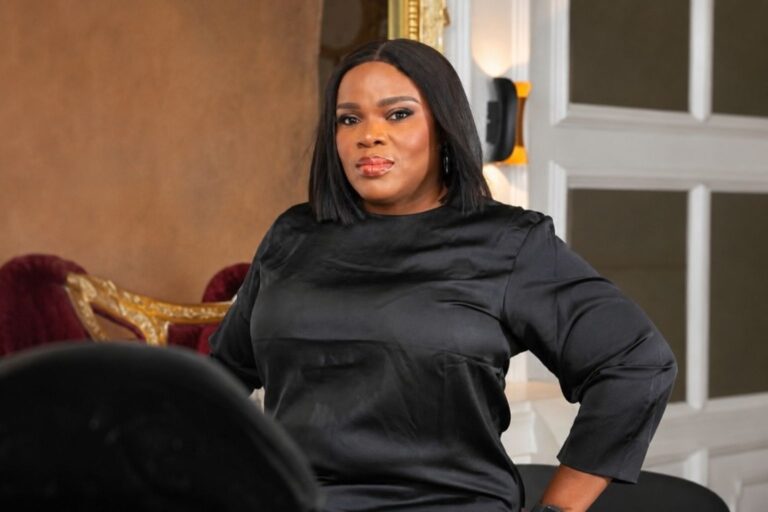
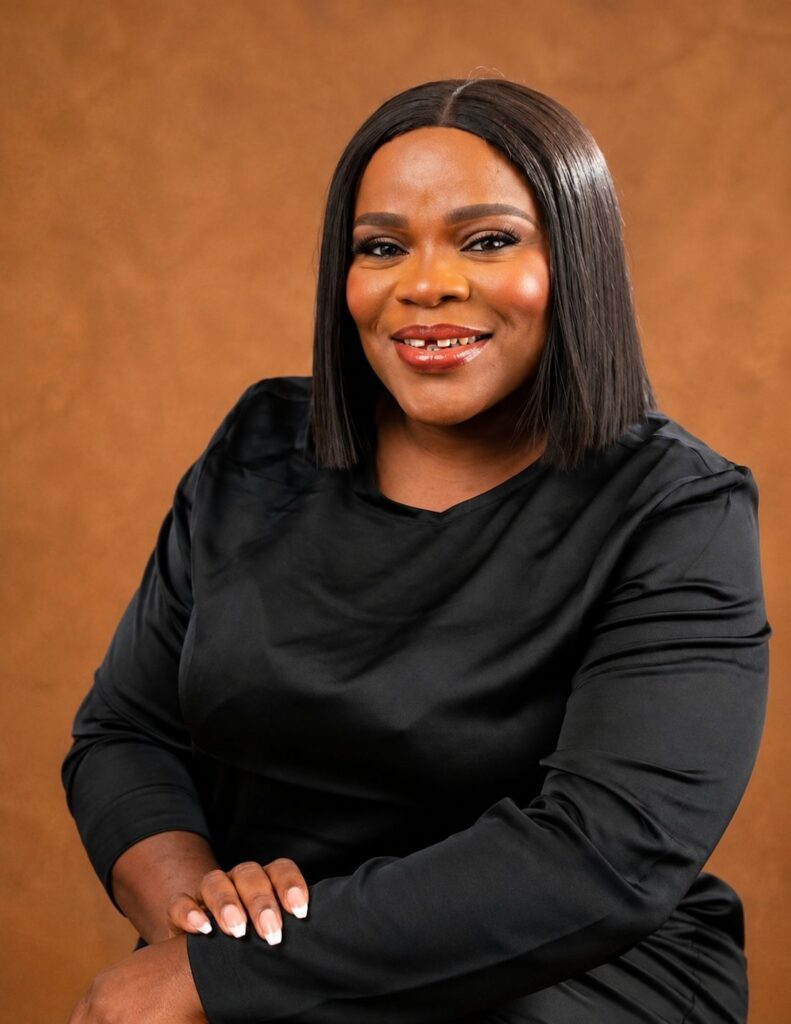
Jennifer Mike-Alicha Is Helping Women Find Clarity, Purpose and Their Voice

0

What happens when a woman decides that she will no longer allow other people’s opinions to define who she is?

For Jennifer Mike-Alicha, that question has become more than something to think about. It has become the foundation of the work she does with women and girls.

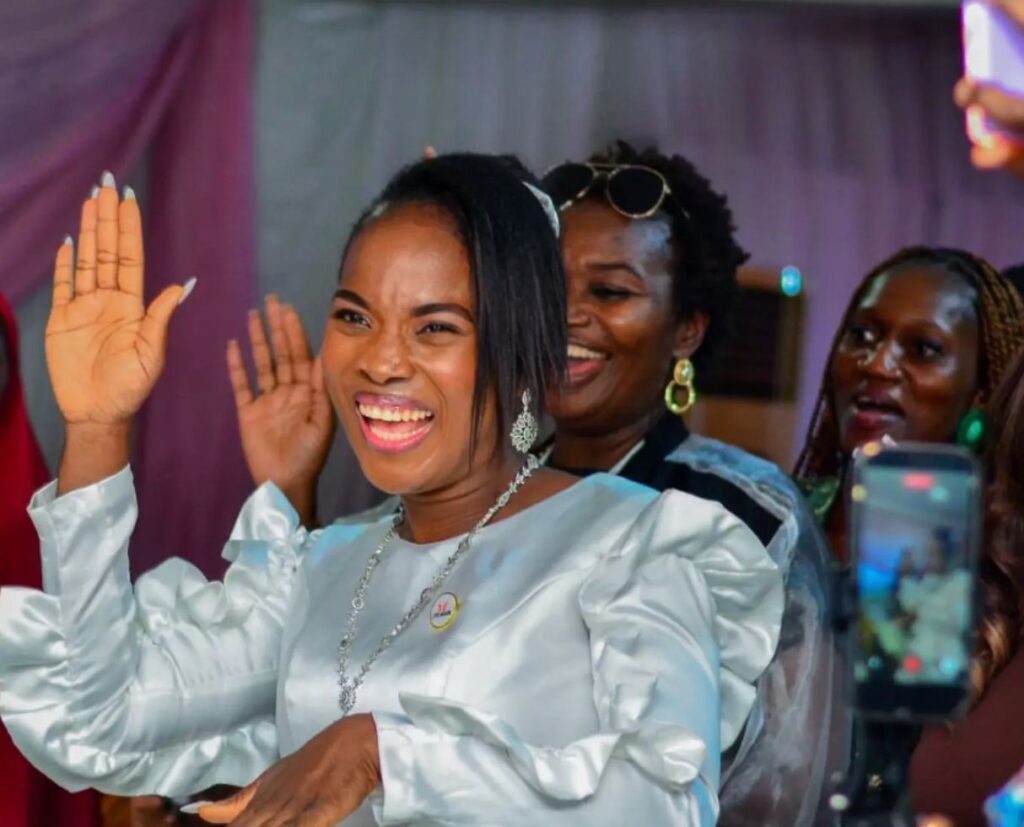
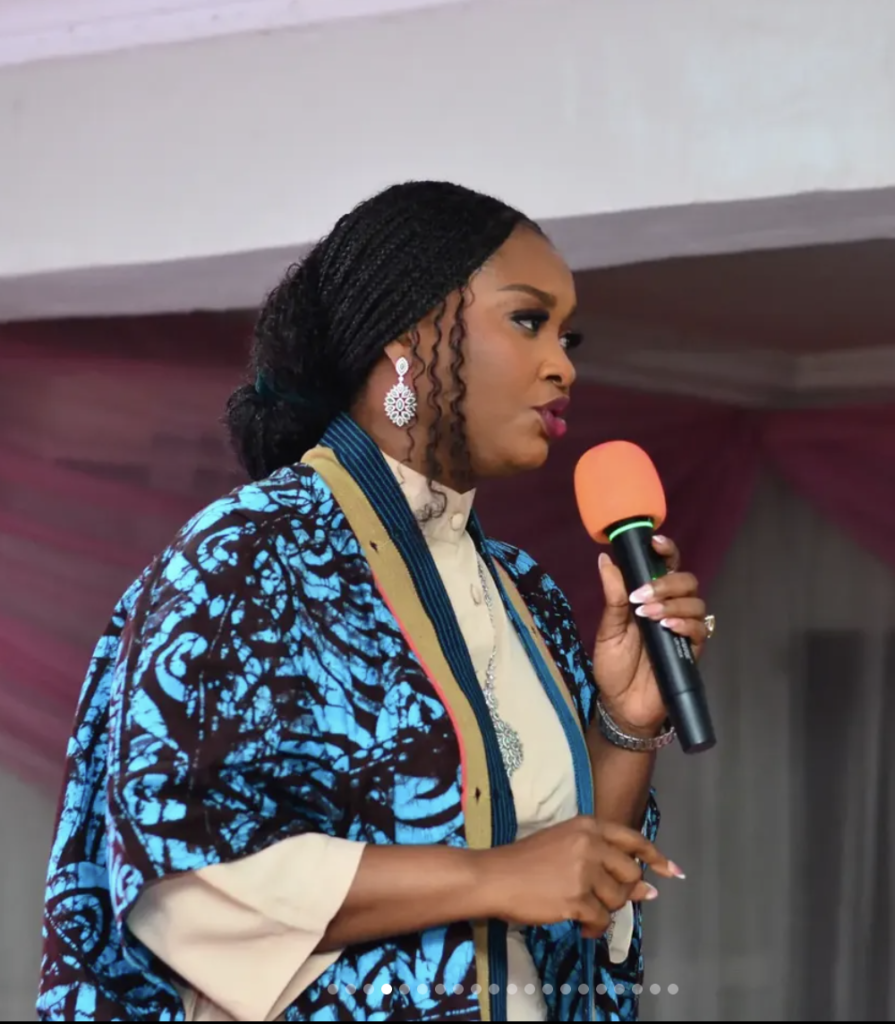
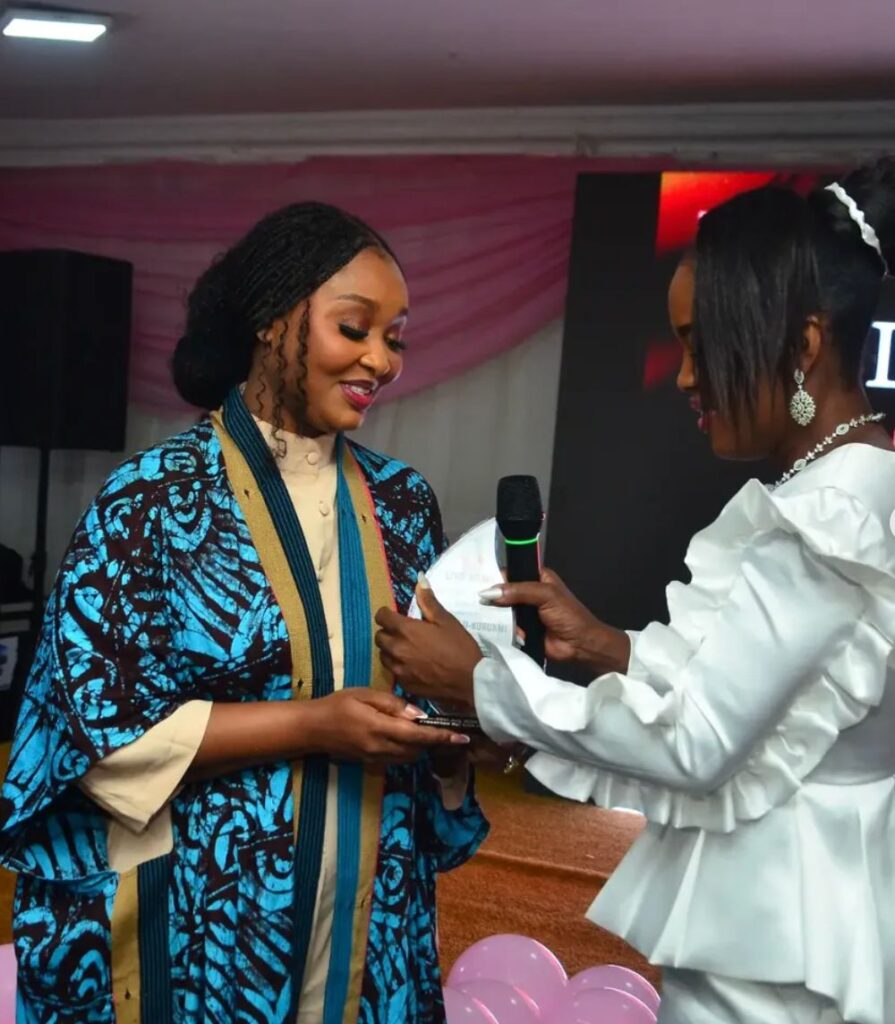
Jennifer is a speaker, teacher, author, mentor, educationist and Clarity & Self-Discovery Coach, but perhaps the simplest way to describe what she does is this: she helps women find themselves.

Through her work, she keeps returning women to the things that matter—identity, purpose, faith, confidence and the courage to become who God has called them to be.

That vision is at the heart of Abiding Ladies Fellowship, the movement she founded to create a community where women can grow spiritually, personally and purposefully. Over the years, the fellowship has become a space where women are encouraged to look beyond validation, discover their gifts and become more intentional about the lives they are building.

And this is important because sometimes, what holds a woman back is not a lack of ability. She simply does not know herself well enough.

She may be gifted but confused. She may have a dream but lack the confidence to pursue it. She may spend so much time trying to meet other people’s expectations that she has forgotten what she actually wants.

Jennifer’s work speaks directly to that reality.

As a mentor and coach, she helps women navigate self-discovery, clarity, confidence, personal branding and purposeful living. Through the Bloom Visionary Community, she also creates a space where women can develop and grow their visions.

But Jennifer is not interested in simply making women feel inspired for a few hours.

She wants them to do something with what they discover.

To grow. To build. To lead. To develop their gifts. To take their faith seriously. To become intentional about their lives.

Her own faith is deeply woven into this work. Jennifer is unapologetic about her love for God and her belief that purpose is connected to knowing who we are in Him. She speaks openly about prayer, obedience, personal growth and the need to have honest conversations, even when those conversations are uncomfortable.

It is one of the things that makes her voice distinctive. She is warm, but she is also direct. She encourages, but she does not shy away from truth.

And sometimes, women need both.

They need someone to tell them that they can become more, but they also need someone willing to tell them the truth about what may be standing in their way.

Jennifer’s message has also been shaped by her understanding of pain and healing. Her books, including My Scar, My Beauty, Unwasted Pain and From Wounds to Winning, explore themes of pain, identity, healing and purpose. Her work suggests a powerful possibility: that the difficult things we experience do not have to be the end of our story.

They can become part of what shapes us. That message has also found expression in her work with young girls.

Jennifer Mike-Alicha

Through initiatives such as Mending The Walls and Step Up with Jenny, Jennifer provides spaces for young girls who need direction, mentorship, emotional support and spiritual guidance. Her work recognises something that is easy to overlook: sometimes, the woman who needs help finding herself is still a girl.

And if we want women who are confident, purposeful and secure in who they are, that work has to begin early.

In 2024, Abiding Ladies Fellowship also collaborated with other organisations on a menstrual-health initiative in Abuja, helping girls access information and resources while addressing some of the stigma surrounding menstruation.

It is the kind of work that shows another side of Jennifer’s understanding of empowerment. It is not only about big dreams and purpose. It is also about the everyday things that affect how a girl sees herself and moves through the world.

Her influence extends into other spaces too. In 2025, she was part of the Real Estate Queens Conference 2.0 in Abuja, contributing to conversations around women, resilience, business and success.

Every October, women also gather for the Abiding Ladies Fellowship Conference, where they come together to learn, unlearn and relearn. The conference brings together many of the themes that run through Jennifer’s work—faith, personal development, identity, purpose and growth.

But perhaps the most important thing happening in those rooms is not what is happening on the stage.

It is what is happening inside the women sitting there.

A woman may walk into the room confused and leave with clarity. Another may come carrying a wound she has never had the courage to confront. Someone else may finally realise that she has spent too much of her life trying to become what everyone else expects.

And sometimes, all a person needs is the right conversation, the right community and someone who believes there is more to their story.

That is the kind of space Jennifer continues to create.

Her work is ultimately about helping women move from “Who am I?” to “I know who I am, and I know what I carry.”

And that matters.

Because when a woman understands herself, she begins to make different choices. She becomes more confident about her voice. She becomes more intentional about her relationships, her work and her purpose. And often, the transformation does not stop with her.

It reaches her family. Her community. The women around her. And eventually, the girls watching her.

This may be one of the most significant things about Jennifer Mike-Alicha’s work. She is not only speaking to the women in front of her today. She is contributing to the kind of women who will shape the generation coming behind them.

One woman finding clarity can help another woman find hers. One woman healing can change how she raises her children. One woman discovering her gifts can create room for someone else to discover theirs.

And perhaps that is the impact Jennifer is building, not simply a fellowship, a conference or a community, but a growing circle of women who know who they are, understand what they carry and are willing to use it.

For Jennifer, the work continues.

One woman. One girl. One conversation. One life at a time.

Jennifer Mike-Alicha

Tega Omogor Found Her Way Back, And Then Became a Light for Others

0

There are some stories you tell because they are inspiring. And then there are stories you tell because, somewhere inside them, is a piece of the human experience we don’t talk about enough. Tega Omogor’s is one of those stories.

Her work today is centred on helping women heal, recover and rebuild their lives. She is a therapist, addiction recovery professional, coach, speaker, mental-health advocate and the Founder and Executive Director of Flourish Life Centre, a faith-based, trauma-informed and empowerment-driven rehabilitation and wellness centre for women.

But there was a time when Tega herself needed to find her way back.

And perhaps that is the part of her story that makes everything she has become today mean so much more.

Before addiction advocacy became her life’s work, Tega was building a career of her own. She ran Imosewoman, a traditional bridal business focused on beautiful aso-oke, and was navigating adulthood, business and the possibilities ahead of her.

Then another chapter of her life began. One she would eventually have to fight her way out of.

Tega has never tried to make her story sound prettier than it was. As a young woman, she got involved with drugs. When asked what led her there, she spoke about both peer pressure and personal pressure. She wanted to be accepted. She wanted to belong in certain circles. She looked around and saw people involved in vices appearing to have the most fun, leading social groups and enjoying a kind of freedom that appealed to her.

And she followed.

Then she went deeper.

“Quite deep,” as she would later put it.

Years later, speaking about that period on television, Tega described a point when nothing else seemed to matter but getting a fix and she was willing to go to great lengths for it.

That is the part of her story that is easy to reduce to a sentence: Tega battled addiction and recovered.

But there is so much more inside those words.

Because recovery is not simply the moment a person stops using. It is the work of becoming a person again.

And Tega did.

She has been clean for many years. But when she came out on the other side, she did something unexpected with what she had survived.

She started talking about it.

In 2018, Tega described herself publicly as a survivor and drug-abuse therapist. Her initial mission was straightforward: help create a drug-free environment where the next generation could become all they were created to be.

Tega Omogor

But once she began doing the work, she discovered something she hadn’t fully understood before.

The problem was everywhere.

Parents began sending her messages. People who were using drugs reached out. People in recovery reached out. People looking for help reached out. And then there were the stories.

Tega said the response to her work was “pleasantly surprising” because until she began doing it, she had not realised how deeply drug use had eaten into society. She also noticed something that stayed with her: people who had struggled with addiction often said that if they had known better, they might not have fallen victim to the people who introduced them to that lifestyle.

That changed something.

Because now this was no longer only about her story. It was about the next young person, the next family, the next girl who wanted desperately to belong, the next teenager who thought experimentation was harmless, and the next parent who might not recognise the signs until it was too late.

And Tega decided she wanted to get there earlier.

Through her work with Back to Light Foundation, Tega began taking the conversation into schools and communities. In 2019, she was part of an awareness campaign in Abuja calling for stronger drug education in schools. She argued that children and parents needed to be educated continuously about substance use and that drug education should be incorporated into the school curriculum. She also stressed that government could not solve the problem alone.

Her own experience had shown her what could happen when people entered that road without understanding where it could lead. So she began trying to light the road before others got there. She encouraged parents to know their children well enough to notice changes in their personalities and behaviour, to know their friends and to stay connected to what was happening in their children’s lives.

It was prevention, but it was also something deeper: connection.

The longer Tega worked in this space, the more complicated the picture became. Substance use was not always the beginning of the story. Sometimes, it was a response to something else.

Pain. Stress. Trauma. Low self-worth. A need for acceptance. A lack of healthy coping mechanisms.

And if you only tell someone to stop the behaviour without understanding what is underneath it, you may never address the reason they reached for it in the first place.

This began to change the kind of work Tega wanted to do. She moved increasingly into mental health, emotional wellness, behavioural change and recovery. She trained in NLP and positive psychology. She became an emotional intelligence coach, trauma-informed counsellor and certified mental health and addiction therapist.

But her qualifications were not replacing her lived experience. They were giving her more tools to understand it. More tools to help someone else. More language for the things she had already begun to see.

And eventually, her work became about more than helping people stay away from drugs.

It became about helping people understand themselves.

There is a sentence Tega once said that perhaps captures her journey better than any professional biography could. She was speaking about young people, education, mental health and the importance of adults being intentional about understanding children.

And then she said:

“I want to be the person that I needed at that age.”

That sentence feels almost like a key to everything.

Because it explains why she keeps going back to young people, why she speaks about prevention, why she talks about mental health, why she cares about the emotional lives of people, and why recovery, for her, cannot simply mean stopping a substance.

She knows what it means to need someone who understands.

And she has decided to become that person for somebody else.

At some point, Tega’s work began asking an even bigger question.

What happens when a person has stopped surviving? What happens next?

Because being free from addiction is important. But it does not automatically mean that everything underneath it has healed. A person may still have trauma. They may still struggle with their identity. They may still not know how to regulate their emotions. They may still carry shame. They may still need to rebuild relationships. They may still need to learn how to live differently.

And this is where Tega’s work with women has become particularly significant.

Today, through Flourish Life Centre, she is building a space where women can receive holistic support for recovery and wellness. The centre is faith-based, trauma-informed and empowerment-driven.

And the name says something about the destination.

Flourish.

Not merely survive. Not merely stop. Not merely recover enough to get through another day. Flourish. Reinvent. Blossom. Build again. Become.

Tega Omogor

That is a very different understanding of recovery. And perhaps it could only have come from someone whose own journey taught her that getting out of a dark place is only the beginning.

Tega’s work has continued to grow beyond one organisation or one issue. Through Tega Omogor Consults, she coaches and trains individuals around emotional wellness, leadership and life skills. She has become a public speaker and trainer, taking conversations about mental health, substance use, recovery and personal transformation to schools, conferences, communities and media platforms.

She has also created Unbreakable by Tega Omogor, a podcast built around resilience and the decision not to allow life’s challenges to break you. Her work has also included training around breaking the addiction cycle, with a focus on stress, self-awareness and healthy coping mechanisms, recognising that understanding triggers and developing better ways to respond to stress are critical parts of sustaining recovery.

She serves as a War Against Drug Abuse Ambassador with the NDLEA and has been involved in professional and advocacy networks focused on substance use and mental health.

And she continues to speak. Sometimes to teenagers. Sometimes to parents. Sometimes to women. Sometimes to professionals. But underneath all those conversations is the same conviction: People can change.

There is a temptation when telling stories like Tega’s to make the ending too simple. She struggled. She recovered. She became a therapist. But real lives don’t happen in three neat chapters.

Tega’s story is about evolution.

The young woman who wanted to belong. The woman who went deeper into substance use than she ever intended. The woman who found her way out. The woman who discovered, after recovery, that there were other people who needed someone to help them find their way too.

The advocate who started talking to schools. The counsellor who began understanding the emotional roots beneath behaviour. The woman who kept learning. The coach. The speaker. The therapist. The mother. The wife. The founder.

And now, the woman creating a place where other women can come to terms with their stories and begin writing new ones.

Perhaps that is why Tega’s story resonates.

Because she did not simply leave one life behind and start another.

She carried the lessons with her.

She took what could have remained a private source of shame and made it public enough to save someone else. She took experience and turned it into expertise. She took recovery and turned it into responsibility. She took pain and asked what it could produce.

And she took the road she once struggled to find and began putting lights along it for others.

Tega Omogor found her way back.

And then she became a light for others.

Making Volunteering Easier to Find: How Voluserve Is Connecting Nigerians to Opportunities

0


Nigeria does not have a shortage of people who want to make a difference. What it often lacks is a simple way to help them find where their contribution is needed.

For many Nigerians, volunteering still begins with a WhatsApp message, an Instagram post, a friend sharing an opportunity or simply knowing someone who works with an organisation. If you are not connected to the right people or following the right pages, you can easily miss opportunities to contribute, even when you genuinely want to help.

The same problem exists on the other side. Nonprofits and social-impact organisations need volunteers to support programmes, events, research, communications, technology, community engagement and a range of other activities. Yet finding the right people can be just as difficult.

There are, in other words, people willing to serve and organisations that need support. The challenge is often connecting them.

This is where technology is beginning to change the way volunteering can work in Nigeria.

Voluserve is a digital platform built to make volunteer opportunities easier to discover and connect people with organisations where they can contribute. Instead of depending entirely on personal networks or waiting for opportunities to appear on social media, people can actively search for ways to volunteer based on their interests, location, skills and availability.

The idea is straightforward, but the problem it addresses is significant: making volunteering easier to find.

A person in Abuja who wants to work with children, for instance, should not have to know the names of every organisation working with children before they can find an opportunity. A professional who wants to offer their skills remotely should not have to spend hours searching through different platforms to find an organisation that needs those skills.

Technology can reduce that friction.

Voluserve provides a space where organisations can list opportunities and where volunteers can find them. The platform includes online and onsite opportunities, allowing people to participate in ways that fit their circumstances. It also features verified organisations, helping create greater confidence around the opportunities people discover on the platform.

But the opportunity goes beyond simply putting volunteer opportunities online.

Voluserve is built around the idea that volunteering can also be a pathway to learning, experience and talent development. A person can volunteer not only because they want to give back, but because they can also develop skills, gain practical experience, discover their strengths and build a record of their contribution.

That is an important shift.

For a young person trying to enter the workforce, volunteering can provide an opportunity to practise skills in a real environment. For a professional, it can be a way to contribute expertise to a cause they care about. For someone still figuring out where they fit, volunteering can become a way to explore different forms of service and discover what they naturally enjoy doing.

In this sense, technology is not creating the desire to serve. That desire already exists.

What technology can do is make the journey from “I want to help” to “Here is where I can help” much shorter.

This matters in Nigeria, where organisations and community initiatives are working across education, health, gender, climate, poverty reduction, youth development and other areas. At the same time, there are people with time, skills, knowledge and a willingness to contribute.

The challenge is often connection.

Voluserve is building technology around that connection, making opportunities more visible to the people who might be able to contribute and making potential volunteers easier for organisations to reach.

It is a relatively simple proposition with a much bigger possibility: what happens when volunteering becomes something people can search for as easily and intentionally as they search for jobs, courses or other opportunities?

Perhaps more people find their way into service.

Perhaps organisations find volunteers who would otherwise never have discovered them.

And perhaps volunteering begins to move from something people occasionally stumble upon to something they can intentionally build into their lives.

The question is no longer simply whether Nigerians are willing to volunteer.

It is whether they can easily find where their contribution is needed.

That is where technology can make a difference, not by replacing the human side of volunteering, but by making it easier for people who want to serve to find where they are needed.

Sometimes, people do not need another reason to help.

They just need to find the opportunity.

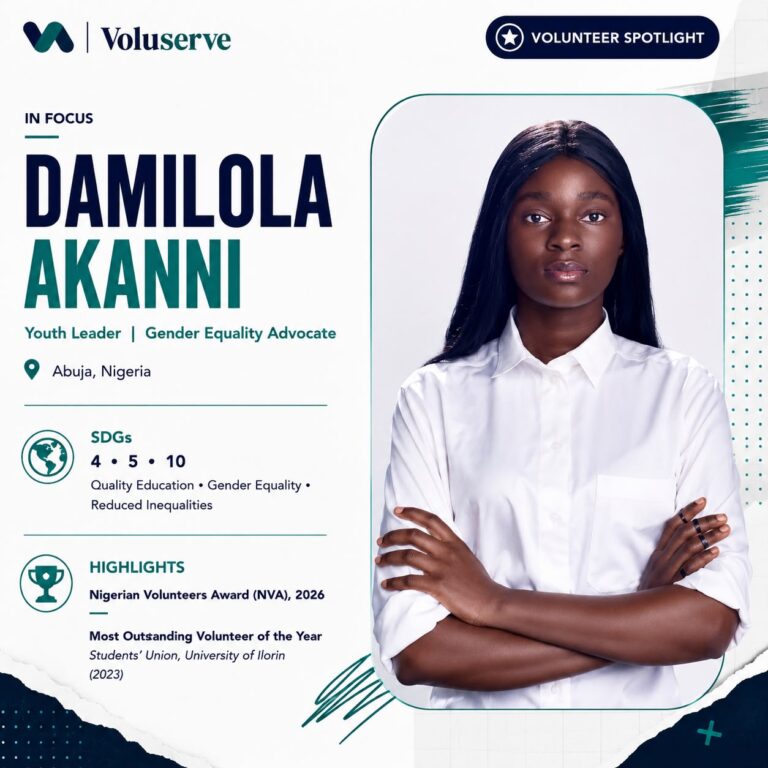
Meet Damilola Akanni: The Volunteer Using Her Voice to Create Space for Others

What happens when you start volunteering and discover that you can do much more than just help out?

For Damilola Akanni, volunteering became a journey into advocacy, leadership and creating opportunities for other young people.

Today, Damilola is a youth leader, gender equality advocate and social impact professional working across education, youth development, civic engagement, women’s empowerment and advocacy. But behind all the titles is someone who has consistently chosen to show up, get involved and use her voice for things she believes matter.

And she has been doing that on a pretty big scale.

Through the different programmes and initiatives she has supported, Damilola has contributed to work reaching over 5,000 girls and young people across Nigeria, including communities in Lagos, Ogun, Kwara and the FCT.

A big part of her work focuses on helping young people understand their rights, find their voices and become more confident participants in their communities.

She has worked on programmes tackling Sexual and Gender-Based Violence (SGBV), mentoring students in schools and supporting initiatives that help young people understand how to recognize, prevent and respond to violence.

But Damilola’s work doesn’t stop at the community level.

At YouthHubAfrica, where she served as a Programs Associate, she worked on initiatives that connected young people to spaces where decisions about their future were being discussed. She supported stakeholder engagements, project implementation and youth advocacy efforts, including the Youth Shadow Report on Nigeria’s Voluntary National Review of the Sustainable Development Goals.

She also helped create opportunities for Nigerian youth to participate in international conversations, including the United Nations High-Level Political Forum.

In other words, she isn’t just encouraging young people to speak up.

She’s helping them get into the rooms where their voices can actually be heard.

And her passion for service isn’t something she picked up recently.

While studying Agricultural Economics and Extension at the University of Ilorin, Damilola was already actively involved in volunteering. In her final year, her commitment was recognized when she was named the Most Outstanding Volunteer of the Year by the Students’ Union in 2023.

Looking at her journey today, that recognition feels like a fitting reflection of what she has continued to do.

For Damilola, service is about more than adding another activity to your CV. It’s about using what you have, your skills, your voice, your time and your ideas, to make something better for someone else.

And perhaps that’s the most interesting part of her story.

She isn’t simply building a career in the development sector.

She’s building a life around service.

One programme. One young person. One conversation. One opportunity at a time.

This week, we celebrate Damilola Akanni as our Voluserve Volunteer Spotlight.

Beyond 200 Women: How MTN Foundation and UN Women Are Building New Economic Opportunities for Rural Women

0

For many women in rural communities, the challenge is not a lack of hard work. It is what happens after the work is done.

A woman may cultivate rice or cassava, process what she can with limited tools and sell what she produces within a small local market. She may have the knowledge, the labour and the determination to grow, but without access to better equipment, finance, digital tools, business knowledge and larger markets, turning that effort into sustainable income can remain difficult.

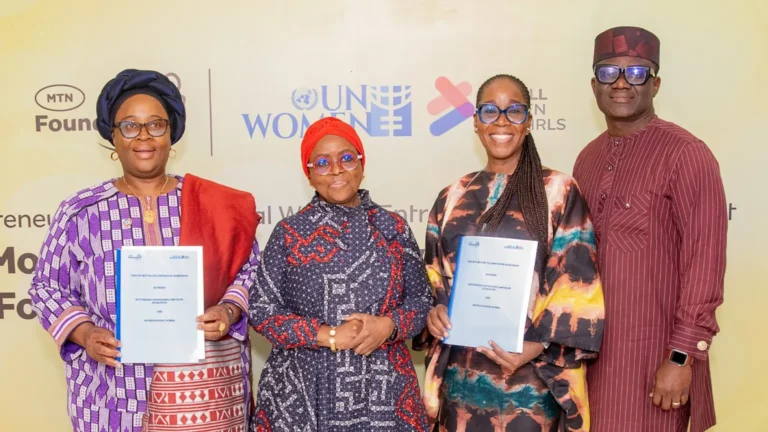
It is this gap that the MTN Foundation and UN Women are seeking to address through a new partnership aimed at supporting 200 rural women across Kano and Cross River states.

But the initiative is designed to be about more than putting money in the hands of women.

At its centre is an attempt to change what women are able to produce, how they produce it and, importantly, how much value they can capture from their work.

Under the partnership, women in selected communities will receive business training alongside support for digital and financial inclusion and access to markets. Processing hubs will also be established to help them move from subsistence production towards producing finished goods that can enter larger value chains.

In Kano, the focus will include helping women process, package and market rice. In Cross River, a processing hub will support the transformation of cassava into products that can be supplied to manufacturers.

That shift—from selling raw produce to creating products with greater value, is central to the potential impact of the intervention.

For the women directly involved, it could mean better production capacity and new routes to market. For the communities around them, the processing facilities could create an economic resource that extends beyond the original beneficiaries.

Odunayo Sanya, Executive Director of the MTN Foundation, described the thinking behind the initiative as an effort to reach women who are often further away from the opportunities available to entrepreneurs in urban centres.

The Foundation has previously focused on helping female entrepreneurs gain access to capacity building, funding and markets. According to Sanya, its programmes have built the capacity of more than 6,000 female entrepreneurs and provided about ₦304 million to 122 women entrepreneurs. It has also established a ₦1 billion matching fund for women entrepreneurs.

The rural intervention represents an expansion of that approach.

Rather than treating rural women simply as recipients of financial assistance, the partnership is designed around infrastructure, skills and access—elements that can potentially continue creating value after the programme itself ends.

That distinction matters.

Financial support can help a business survive a difficult period, but access to productive equipment, knowledge and markets can change what a business is capable of doing in the first place.

The processing hubs are therefore expected to play a role beyond the 200 women formally participating in the programme. Other women in the surrounding communities will also be able to access the facilities, potentially expanding the economic reach of the intervention to thousands of people.

This is where the initiative begins to look less like a conventional empowerment programme and more like an attempt to build local economic infrastructure.

When women have access to processing equipment, they can potentially move further along the agricultural value chain. When they have market information and business training, they are better positioned to understand what buyers need. When financial and digital tools become more accessible, they gain additional ways to manage, market and grow their businesses.

UN Women’s Country Representative to Nigeria and ECOWAS, Beatrice Eyong, emphasised another dimension of the programme: inclusion in the digital economy.

For rural women, digital exclusion can compound existing economic disadvantages. Limited access to information, financial services, markets and technology can make it harder to compete in an economy that is becoming increasingly digital.

The partnership therefore places digital inclusion alongside finance, business training and market access.

Eyong argued that development cannot be effective when significant parts of the population are excluded from emerging opportunities. Her point speaks to a wider challenge facing Nigeria: economic growth cannot be fully realised if women, who make up roughly half of the population—are unable to participate meaningfully in it.

There is also an intentional community dimension to the programme.

MTN Foundation says men in the participating communities will be engaged and encouraged to support the women, recognising that economic empowerment does not happen in isolation. A woman may receive training or gain access to a processing facility, but the social and economic environment around her can influence whether that opportunity translates into lasting change.

Ultimately, the ambition is larger than the number attached to the programme.

Two hundred women are the direct beneficiaries, but the processing facilities could serve many more. The products created through the intervention could connect rural producers to manufacturers and larger markets. And women who gain new skills and access to economic opportunities could, in turn, create opportunities for others around them.

That is the more interesting story behind the partnership.

It is not simply about empowering 200 rural women.

It is about what becomes possible when women who have spent years producing with limited resources finally gain access to the infrastructure, knowledge and markets needed to turn production into enterprise.

If the model delivers on its promise, the most significant outcome may not be the number of women who complete the programme.

It may be the new economic activity created around them.

Healing, Hope and Leadership: Live Again Marks Five Years of Transforming Women’s Lives

0

For many survivors of domestic violence and abuse, escaping the situation is only the beginning. The emotional wounds often linger long after the physical scars have healed, affecting confidence, relationships, careers, and the ability to rebuild life.

Across Nigeria, thousands of women continue to live with the hidden effects of trauma, often carrying their pain in silence while trying to navigate work, family, and everyday life. While conversations around gender-based violence have become more prominent in recent years, many survivors still struggle to access the emotional support, mentorship, and safe spaces they need to heal and move forward.

It was this reality that inspired Enifome Ogbimi to establish the Live Again Movement—a platform committed to helping women heal from trauma, rediscover purpose, and rebuild their lives after abuse. What began as a response to one of society’s most painful realities has grown into a movement empowering women to move beyond survival and embrace lives of leadership, influence, and impact.

As the organisation celebrates its fifth anniversary, it is convening the Live Again@5 Conference, a landmark gathering designed to inspire healing, strengthen leadership, and equip women to thrive personally, professionally, and socially.

Speaking ahead of the conference, Founder of the Live Again Movement, Enifome Ogbimi, said the event is both a celebration of the lives transformed over the past five years and a renewed commitment to reaching even more women with hope and practical support.

“Live Again has always been about reminding women that their past does not define their future,” she said. “This conference celebrates every woman who chose to rise after adversity and every life that has been transformed through healing, community, and purpose.”

The conference will feature renowned leadership experts, entrepreneurs, coaches, and advocates, including Fela Durotoye, Bankole Williams, Debola Deji-Kurunmi, Ifeoma Chuks-Adizue, and workplace wellbeing specialist Nneka Jethro-Iruobe, who will lead conversations on leadership, emotional healing, resilience, entrepreneurship, purpose, and personal transformation.

A key highlight of this year’s conference is its focus on workplace trauma and employee wellbeing, recognising that many professionals continue to carry unresolved emotional wounds into their workplaces, often affecting productivity, confidence, relationships, and overall wellbeing. Through practical conversations and expert-led sessions, participants will explore how individuals and organisations can create healthier, more supportive environments where healing and professional growth can coexist.

Live Again Movement

Founded from Ogbimi’s personal journey of overcoming domestic abuse, the Live Again Movement has evolved into a platform providing emotional healing, mentorship, entrepreneurship support, advocacy, and leadership development for women across Nigeria. Over the past five years, the organisation has impacted thousands of women, helping many rebuild their confidence, regain economic independence, and rediscover their purpose.

The conference will also serve as the platform for unveiling several new initiatives, including Live Again Enterprise, a social enterprise created to generate sustainable funding for the movement while creating economic opportunities for women; the Live Again Gender-Based Violence Documentary, aimed at amplifying survivors’ voices and strengthening advocacy efforts; and Live Again for Girls, an initiative designed to equip adolescent girls with life skills, confidence, and resilience before they encounter many of the challenges affecting women later in life.

Expected to attract women leaders, entrepreneurs, professionals, development practitioners, ministry leaders, corporate executives, and advocates from across the country, the conference reflects the movement’s belief that healing is not the end of the journey, it is the beginning of transformation.

For Enifome Ogbimi, helping women recover from trauma has never been the ultimate goal. The greater vision is to see women lead with confidence, build thriving families and businesses, influence their communities, and become living proof that healing is possible.

As the Live Again Movement marks five years of impact, the organisation says it remains committed to creating safe spaces where women can find hope, embrace healing, and discover the courage to live again.

AI Marketing Workshop Equips Entrepreneurs with Practical Skills to Grow Businesses Through Automation

0

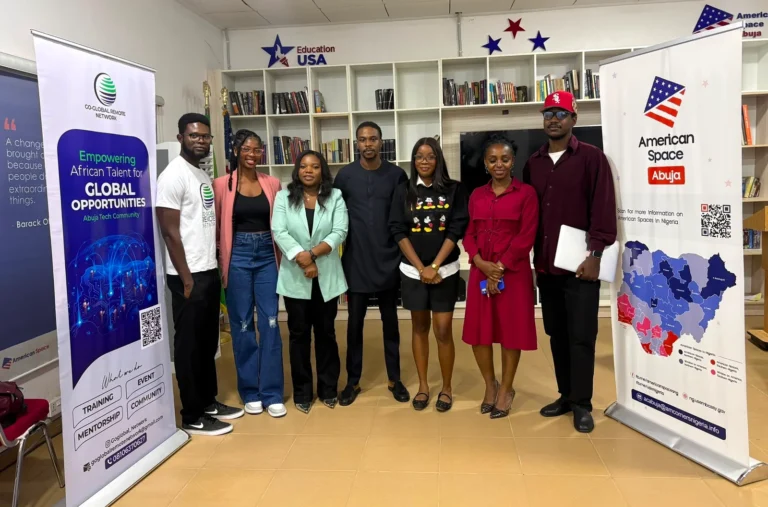
As artificial intelligence continues to reshape the way businesses operate, entrepreneurs, content creators, and digital professionals gathered at American Space Abuja for an intensive AI Marketing and Content Automation Workshop aimed at helping participants move beyond simply using AI tools to building smarter, more efficient businesses.

Organised by Go Global Remote Network in collaboration with American Space Abuja, the workshop provided hands-on training on how artificial intelligence can be used to improve marketing, automate routine tasks, streamline business operations, and strengthen digital storytelling. The programme forms part of ongoing efforts to equip Nigerians with practical digital skills while encouraging innovation and collaboration within the country’s growing technology ecosystem.

Speaking during the workshop, filmmaker and AI systems designer Mr. Onu Abraham challenged business owners to rethink how they approach artificial intelligence, urging them to move beyond using AI as a chatbot and instead build AI systems tailored to their business goals and daily operations.

According to him, many businesses fail to maximise AI because they provide too little context, resulting in outputs that do not effectively solve business challenges.

“The most effective way to use AI is to build systems around your business purpose,” Abraham said. “AI should understand your business and your goals before carrying out tasks.”

He explained that businesses should think of AI as a new employee—one that first needs to understand an organisation before being assigned responsibilities. When properly integrated into business processes, he noted, AI can automate content creation, customer communication, and repetitive administrative tasks, allowing entrepreneurs to focus on strategy, creativity, and growth.

“The whole point of AI is to solve problems. When you solve problems, you create value, and that’s how businesses grow,” he added.

The workshop also featured a session by AI builder and automation specialist Miss Mary Mmoh, who explored how artificial intelligence is transforming storytelling and digital content creation.

She encouraged participants to use AI to amplify authentic African stories, noting that the continent’s culture, experiences, and perspectives present enormous opportunities for creators in the digital economy.

“People may forget facts, but they remember stories. AI gives us new ways to bring those stories to life,” she said, demonstrating how creators can use AI-powered tools to produce images, videos, voiceovers, animations, and other engaging content.

Participants described the training as timely and practical, saying it provided valuable insights into how AI can improve productivity, strengthen marketing efforts, and help businesses compete in an increasingly digital marketplace.

According to the organisers, the workshop was designed not only to introduce participants to emerging AI technologies but also to demonstrate practical ways entrepreneurs, freelancers, and professionals can integrate automation into their daily work.

For Go Global Remote Network, the initiative reflects its broader commitment to equipping individuals with digital skills, mentorship, and global opportunities while promoting collaboration between Nigerian and international technology professionals. Working with partners such as American Space Abuja, the organisation hopes to prepare more entrepreneurs and young professionals for the rapidly evolving digital economy.

As artificial intelligence continues to redefine industries around the world, initiatives such as the AI Marketing and Content Automation Workshop are helping ensure that Nigerian entrepreneurs are not just consumers of emerging technologies but are equipped to use them to build smarter businesses, tell better stories, and unlock new opportunities for growth.

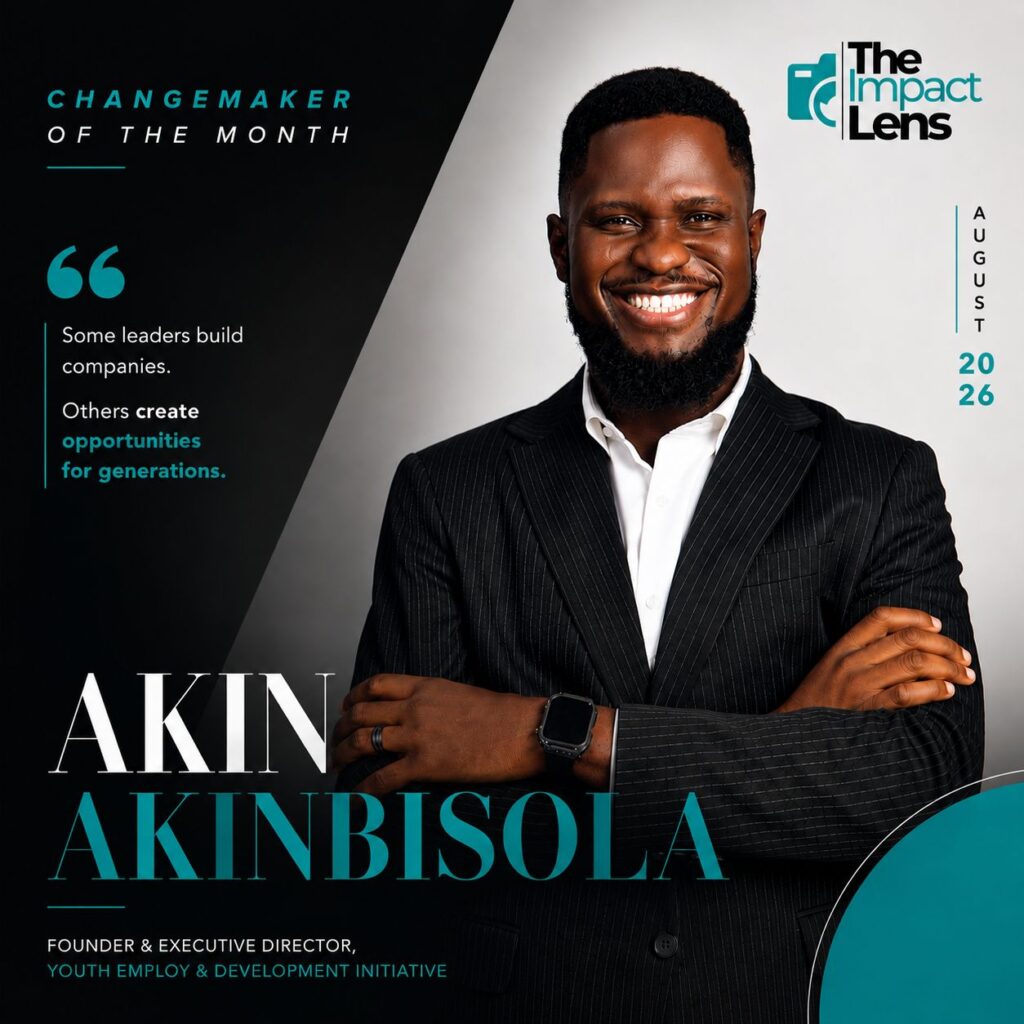
Changemaker of the Month of August: Akin Akinbisola

Some leaders build companies. Others build movements. Some create opportunities for themselves. Others dedicate their lives to creating opportunities for generations.

For Akin Akinbisola, impact has never been measured by titles or recognition. It has always been measured by the number of lives transformed, the communities strengthened, and the systems created to ensure that opportunity becomes accessible to everyone, regardless of their background.

Akin Akinbisola is the Founder and Executive Director of Youth Employ & Development Initiative, a non-profit organisation dedicated to empowering young people across Africa through employability, entrepreneurship, digital innovation, and future-ready skills.

He is a serial entrepreneur, ecosystem builder, and youth development advocate with over a decade of experience designing and implementing high-impact programmes in partnership with governments, the private sector, development partners, academic institutions, and international organisations. Throughout his career, he has remained committed to building practical solutions that expand access to opportunity and unlock the potential of Africa’s growing youth population.

Akin is passionate about preparing young Africans for the future of work by equipping them with the skills, opportunities, networks, and confidence they need to thrive in an increasingly digital and interconnected world.

Over the past decade, he has emerged as one of a new generation of African leaders redefining what youth development and entrepreneurship can achieve. His work spans employability, enterprise development, innovation, leadership development, strategic partnerships, and ecosystem building, all connected by a singular vision: empowering people to realise their potential and contribute meaningfully to society.

Under his leadership, Youth Employ & Development Initiative has developed and implemented programmes that equip young people with practical skills, entrepreneurial capacity, mentorship, career guidance, and access to opportunities that enable them to succeed. By working collaboratively with governments, development agencies, multinational companies, universities, and community leaders, the organisation has impacted thousands of young people across Nigeria while laying the foundation for broader continental impact.

Rather than focusing solely on training, Akin has consistently championed a more holistic approach to youth development, one that combines education with access, entrepreneurship with innovation, and leadership with character. His philosophy recognises that sustainable development is achieved not through isolated interventions but by building ecosystems where individuals, institutions, and communities can grow together.

Beyond the non-profit sector, Akin is an accomplished entrepreneur with interests spanning real estate, branding, enterprise development, and business strategy. His entrepreneurial journey reflects a commitment to building sustainable systems that create value, strengthen institutions, and empower others to achieve economic independence.

An accomplished author, public speaker, and thought leader, Akin has become a respected voice on youth employment, entrepreneurship, innovation, leadership, and the future of work. Through his platform, Mentorship Today, he convenes conversations with founders, executives, policymakers, and changemakers, inspiring individuals to lead with purpose and build solutions that outlive them.

He is also the visionary behind the Abuja Readers Club, a growing community committed to promoting a culture of reading, learning, and personal development, while serving in strategic capacities with organisations advancing entrepreneurship and social innovation across Nigeria.

His contributions have earned national and international recognition. In 2023, he was recognised by Forbes BLK and received the ADKing Young Professional Achievement Award in Atlanta, USA, honouring his leadership, innovation, and commitment to creating sustainable social impact.

Those who know Akin often describe him as a systems thinker and institution builder—a leader who believes that meaningful transformation happens when visionary leadership is matched with intentional execution. His work reflects a deep understanding that Africa’s future will not be shaped by potential alone, but by the systems, partnerships, and opportunities that enable people to thrive.

At the heart of everything he does is a simple but enduring belief: Africa’s greatest asset is its people. When young people are equipped with relevant skills, connected to meaningful opportunities, and supported by strong institutions, they become catalysts for innovation, economic growth, and lasting social transformation.

Whether through entrepreneurship, policy engagement, strategic partnerships, or youth empowerment initiatives, Akin continues to dedicate his life’s work to building an Africa where opportunity is accessible, talent is nurtured, and the next generation is empowered to lead with confidence.

This month, The Impact Lens proudly recognises Akin Akinbisola as our Changemaker of the Month, celebrating a visionary leader whose work continues to shape lives, strengthen institutions, and expand opportunities for young people across Africa.

Because true changemakers do more than inspire hope. They build the future.

Akin Akinbisola

Women Engineers Bring Healthcare and Hope to Underserved Bayelsa Community

0

Engineering is often associated with roads, bridges, buildings, and infrastructure. But for members of the Association of Professional Women Engineers of Nigeria (APWEN), Bayaelsa Chapter, it also means building healthier and stronger communities.

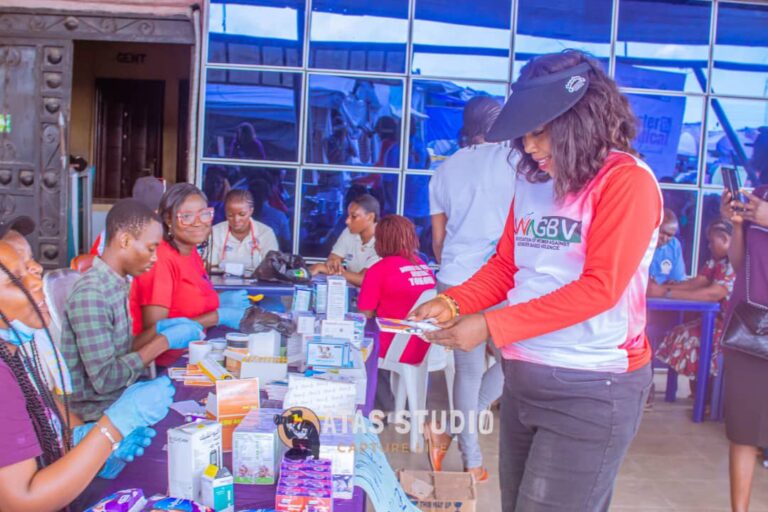
More than 80 residents of Swali Community in Yenagoa Local Government Area received free medical consultations, health screenings, medications, and health education during a community medical outreach organised by the association as part of activities marking World Health Day and the Easter season.

Held under the theme “Healing Hands, Caring Hearts,” the outreach brought together healthcare professionals, volunteers, and members of the association to provide essential healthcare services for residents who might otherwise struggle to access routine medical care.

Speaking during the outreach, leaders of the association said the initiative reflects APWEN’s commitment to improving lives beyond the engineering profession by responding to the needs of the communities where its members live and work.

According to the organisers, professional associations have an important role to play not only in advancing their respective industries but also in contributing to the health, wellbeing, and sustainable development of society.

Beneficiaries received medical consultations, blood pressure and blood sugar checks, health counselling, prescribed medications, and referrals for further treatment where necessary. The outreach also provided an opportunity for residents to learn more about preventive healthcare and the importance of early medical intervention.

The organisers noted that many preventable health conditions become life-threatening simply because people are unable to access basic health services or routine medical checks. By bringing healthcare directly into communities, they said more people can receive timely diagnosis and treatment before minor health concerns become more serious.

For many residents, the outreach represented more than free medical care.

It provided reassurance that their health matters and that professional groups can use their expertise, influence, and networks to address pressing community needs.

Beneficiaries commended the initiative, describing it as timely and impactful, while calling for similar programmes to be sustained and expanded to reach more underserved communities across Bayelsa State.

For APWEN Bayelsa, the outreach reflects a broader vision of engineering, one that extends beyond technical innovation to improving lives, strengthening communities, and demonstrating that professional excellence and social responsibility can go hand in hand.

After Uyo Floods, Environmental Group Calls for Urgent Action to Prevent Future Disasters

Days after torrential rainfall submerged homes, businesses, and major roads across parts of Uyo, environmental advocates are calling for urgent and coordinated action to address the underlying causes of urban flooding before more communities are affected.

The flooding, triggered by hours of heavy rainfall, displaced families, disrupted economic activities, damaged property, and left many residents struggling to recover from yet another seasonal disaster. The incident also renewed concerns over the city’s drainage infrastructure, waste management practices, and preparedness for increasingly intense rainfall.

Reacting to the incident, the Centre for Human Rights and Accountability Network (CHRAN) urged governments, communities, and relevant stakeholders to move beyond emergency responses and prioritise long-term environmental management, stronger urban planning, and climate resilience.

According to the organisation, recurring floods in Uyo are no longer isolated incidents but a warning that environmental challenges require more proactive and sustainable solutions.

CHRAN called for stricter enforcement of environmental regulations, improved drainage maintenance, responsible waste disposal, and greater public awareness on practices that contribute to flooding, particularly the indiscriminate dumping of refuse into drainage channels.

The organisation also urged residents to play a more active role in protecting their environment, noting that while government investment in drainage infrastructure remains critical, community participation is equally important in reducing flood risks.

It stressed that preventing future disasters will require stronger collaboration between government agencies, civil society organisations, environmental experts, and local communities to ensure that drainage systems remain functional and urban development does not obstruct natural waterways.

The appeal comes as authorities continue to assess the impact of the flooding while implementing emergency measures in affected communities. Governor Umo Eno has also directed immediate interventions, including drainage clearance and inspections of affected areas, while promising longer-term solutions to address the city’s recurring flood challenges.

Environmental experts say that as climate change contributes to more intense rainfall events, cities like Uyo must strengthen flood prevention measures through improved urban planning, better waste management, and investments in resilient infrastructure if future disasters are to be minimised.