
Home Blog Page 7

PEWDI Calls for Stronger Government-NGO Collaboration to Expand Women’s Economic Empowerment

0

As economic pressures continue to place greater strain on households across Nigeria, empowering women with practical skills and sustainable sources of income has become increasingly important. Beyond improving individual livelihoods, advocates say women’s economic empowerment is critical to reducing poverty, strengthening families, and driving national development.

It is against this backdrop that the Peace and Environmental Welfare Development Initiative (PEWDI) has called for stronger collaboration between governments and non-governmental organisations to expand access to vocational training, entrepreneurship support, and economic empowerment opportunities for women across the country.

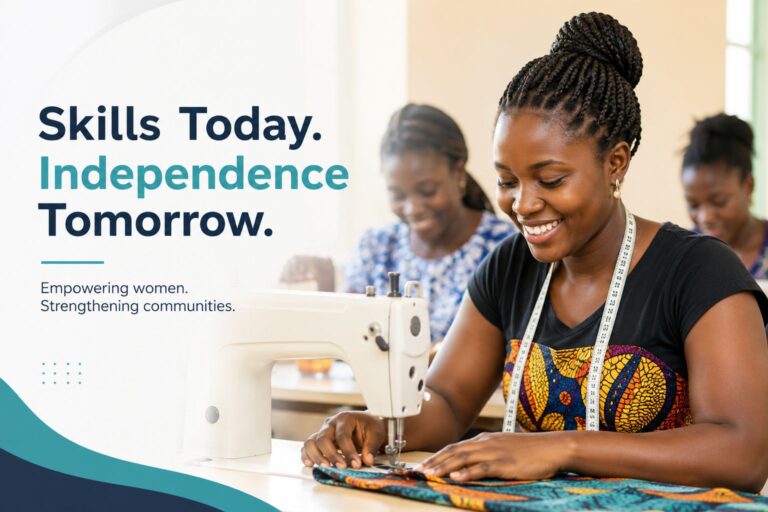
The organisation made the call during its vocational and entrepreneurial skills acquisition programme held in Abuja, where women from communities across the Federal Capital Territory received practical training designed to equip them with income-generating skills and prepare them for financial independence.

Speaking at the programme, President of PEWDI, Pastor Mrs. Rejoice Ehijie, said the initiative was conceived to help women become economically independent by equipping them with practical skills they can use to support their families and contribute meaningfully to society.

She encouraged participants to recognise the value of the knowledge, qualifications, and talents they already possess, urging them to turn those abilities into sustainable sources of income rather than waiting for ideal circumstances.

“Every woman has something useful in her hands. Whether it is a certificate you have earned or a skill you have learned, do not allow it to lie dormant. Put it to work. Your knowledge and skills are tools for survival, financial independence, and building a better future for your family,” she said.

According to Ehijie, empowering women economically goes beyond increasing household income. She noted that financially empowered women strengthen families, improve children’s wellbeing, stimulate entrepreneurship, and contribute to broader economic growth.

Delivering the keynote address, Mrs. Promise Tochi Ogbonnaya called on governments at all levels to deepen partnerships with non-governmental organisations, describing civil society groups as vital partners in delivering grassroots empowerment programmes and expanding access to skills development.

She said increased collaboration would enable more organisations to reach vulnerable women and young people with vocational training and entrepreneurship programmes capable of creating jobs, reducing poverty, and expanding Nigeria’s productive workforce.

According to her, when more Nigerians are equipped with practical skills and supported to build sustainable livelihoods, they contribute more meaningfully to national development through enterprise creation, employment generation, and increased economic participation.

Also speaking at the programme, Dr. Mrs. Atinuke Fasogbon urged participants to embrace financial discipline by investing in productive ventures rather than spending excessively on non-essential items.

She encouraged women to cultivate a culture of saving and strategic investment, noting that responsible financial management remains essential for building long-term wealth and achieving economic security.

Participants described the training as both timely and impactful, saying it had broadened their entrepreneurial knowledge while equipping them with practical skills they could immediately apply to improve their livelihoods.

Speaking on behalf of the beneficiaries, Mrs. Patience Auta appealed to governments, corporate organisations, development partners, and well-meaning Nigerians to support and expand similar empowerment initiatives, describing them as essential to reducing poverty, promoting entrepreneurship, and improving women’s economic independence, particularly among full-time housewives.

For PEWDI, the programme reflects a broader commitment to creating opportunities that enable women to become financially independent, build sustainable businesses, and contribute to the social and economic development of their families, communities, and the nation.

Benue Attack Victims Receive Medical Relief as US Charity Deepens Humanitarian Response

0

Long after the headlines fade, survivors of violent attacks are often left to face a different battle, recovering from physical injuries, rebuilding their lives, and finding hope amid unimaginable loss.

For more than 20 survivors of the recent attack on Sai community in Mbajir, Katsina-Ala Local Government Area of Benue State, that journey became a little less difficult following the intervention of Equipping The Persecuted (ETP), a United States-based faith-based humanitarian organisation committed to supporting communities affected by violence and persecution.

The attack, which occurred on June 30, claimed more than nine lives, left over 20 people injured, and displaced several families, adding to the growing humanitarian crisis affecting communities across Benue State.

As part of its emergency response, Equipping The Persecuted distributed relief materials to affected families and settled the medical bills of more than 20 victims receiving treatment for injuries sustained during the attack, including internally displaced persons admitted at NKST Hospital.

Leading the organisation’s delegation to the community, Andy Nomsoor, Benue State Representative for Equipping The Persecuted, described the attack as heartbreaking and reaffirmed the organisation’s commitment to standing with communities affected by violence.

“While no amount of assistance can replace the lives that have been lost, we believe survivors should not have to face recovery alone,” he said. “Our commitment is to help families heal, rebuild, and find hope again, while continuing to advocate for safer communities across Benue State.”

Nomsoor also called on governments at all levels to strengthen efforts to protect vulnerable communities and prevent recurring attacks, stressing that humanitarian assistance must go hand in hand with long-term measures that address insecurity and protect lives.

He acknowledged the efforts of Benue-born legal practitioner Franc Utoo for helping bring international attention to the plight of affected communities and mobilising humanitarian support, while also commending Judd Saul, Founder and Chief Executive Officer of Equipping The Persecuted, for the organisation’s continued commitment to responding swiftly whenever communities are affected by violence.

Speaking on behalf of the community, President General of the Mbajir Development Association, Peter Uungwa, expressed gratitude to the organisation for providing practical support at a time when many families were struggling to cope with the aftermath of the attack.

“Our community is grateful that we have not been forgotten,” he said. “This support has brought relief to families carrying unimaginable pain, and we appreciate everyone who helped make it possible.”

For Equipping The Persecuted, the intervention reflects its broader mission of providing emergency relief, medical assistance, protection, and long-term support to communities affected by violence and persecution across Nigeria. Beyond responding to emergencies, the organisation works to help vulnerable families recover, rebuild their lives, and strengthen community resilience.

As affected families continue the long journey toward healing, the organisation says it remains committed to ensuring that survivors are not forgotten once the immediate attention surrounding such tragedies has passed.

International Labour Organization, Partners Renew Commitment to Future-Ready Skills at World Youth Skills Day Commemoration

0

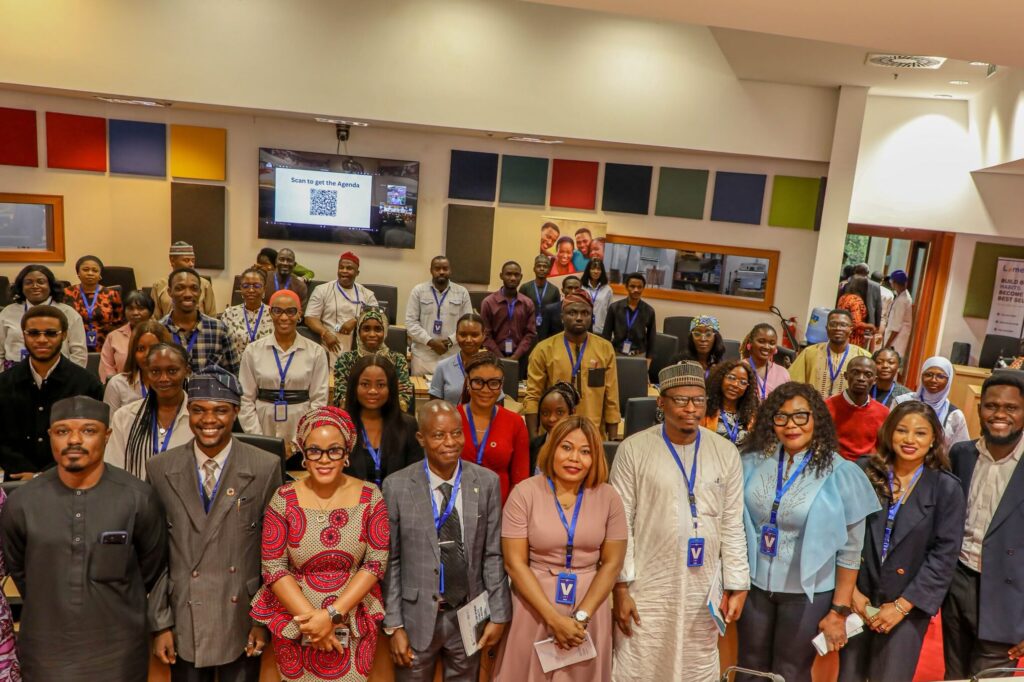
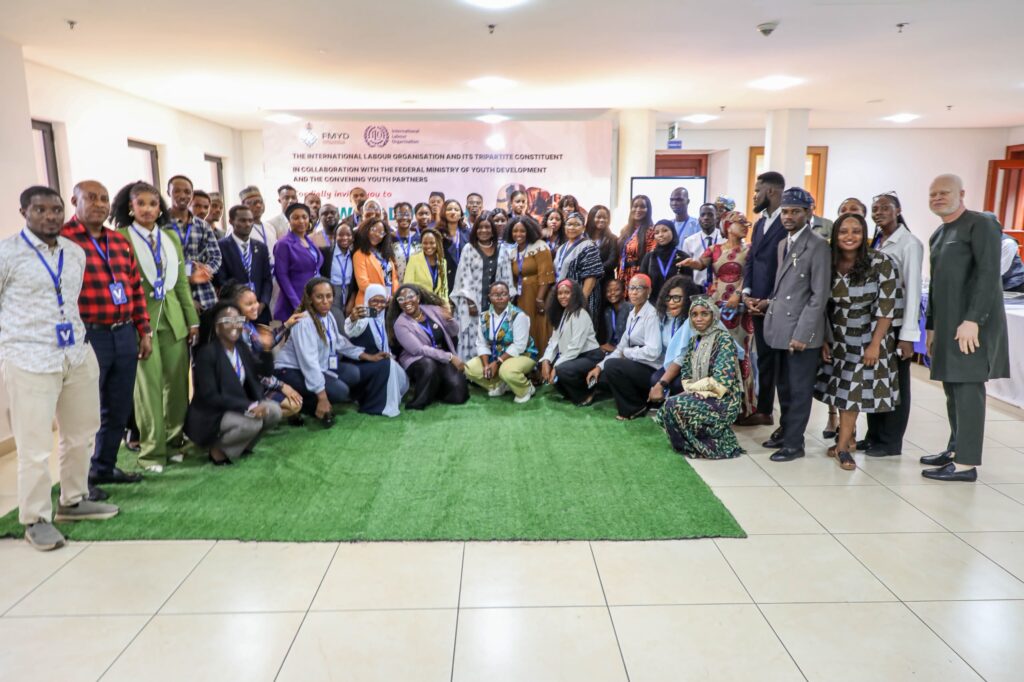
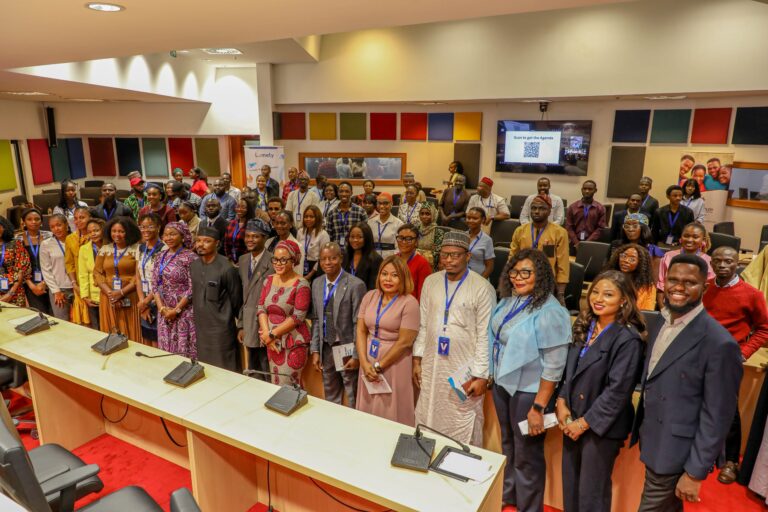
The International Labour Organization (ILO), in collaboration with the Youth Employ & Development Initiative (YEDI), the Federal Ministry of Youth Development, and other development partners, convened government officials, employers, labour representatives, educators, development practitioners, and young people at the United Nations House, Abuja, on 22 July 2026 to commemorate World Youth Skills Day 2026.

Held under the global theme, “Skills for a Shared Future,” the event provided a platform for dialogue on how governments, employers, workers’ organisations, educational institutions, and development partners can work together to equip young people with the skills needed to thrive in an increasingly digital, AI-driven, and green economy.

Although World Youth Skills Day is observed annually on 15 July, this year’s national commemoration brought together key stakeholders a week later to reflect on the changing nature of work and identify practical pathways for expanding youth employment, entrepreneurship, and lifelong learning opportunities in Nigeria.

The International Labour Organization (ILO)

Representing the International Labour Organization Country Director for Nigeria, Ghana, Liberia, and Sierra Leone, Dr Vanessa Phala, Inviolata Chinyangarara, Senior Specialist for Workers’ Activities (ACTRAV), called on governments, employers, workers’ organisations, training institutions, development partners, and the private sector to strengthen collaboration in creating decent work and sustainable livelihoods for young people.

She noted that rapid advances in digital technology, artificial intelligence, and the transition to greener economies are reshaping labour markets across the world, making future-ready skills more important than ever.

“While these trends are creating new opportunities for innovation, productivity and job creation, they are also shaping skill requirements and increasing the risk of unemployment or underemployment, exclusion and inequality for those who lack access to relevant skills and decent work opportunities,” she said.

She added that Nigeria is well positioned to harness its youthful population as a driver of inclusive economic growth but stressed that achieving this requires coordinated investments in skills development, employment policies, and stronger partnerships across sectors.

According to her, the International Labour Organization has continued to support Nigeria’s employment agenda through its collaboration with the Federal Ministry of Labour and Employment and the GIZ SKYE Programme, including ongoing efforts to strengthen the country’s employment governance framework and the revision of the National Employment Policy 2025.

Earlier, Ngwaogu Michael, Director of the Enterprise Development and Promotion Department at the Federal Ministry of Youth Development, delivered the opening remarks, reaffirming the Ministry’s commitment to supporting policies and partnerships that expand opportunities for young people through enterprise development, innovation, and skills acquisition.

The event also featured goodwill messages from representatives of the Federal Ministry of Labour and Employment, the Nigeria Employers’ Consultative Association (NECA), the Nigeria Labour Congress (NLC), the National Council on Climate Change (NCCC), and the Youth Employ & Development Initiative (YEDI). Speakers underscored the importance of collaboration among government, employers, workers’ organisations, development partners, and civil society in preparing young people for the future of work.

Founder and Executive Director of Youth Employ & Development Initiative, Akin Akinbisola, encouraged participants to take full advantage of the platform by engaging in meaningful conversations, building partnerships, and exploring practical solutions that can improve youth employment outcomes across the country.

The first panel session, themed “Government Policies and Partnerships for Skills Development, Employment and Enterprise,” examined how public institutions can strengthen the systems that connect skills development with employment and enterprise opportunities.

The discussion featured representatives from the Federal Ministry of Labour and Employment, the Federal Ministry of Youth Development, the National Board for Technical Education (NBTE), the Office of the Vice President, the National Directorate of Employment (NDE), and the National Council on Climate Change (NCCC). Discussions focused on strengthening policy coordination, workforce development, technical and vocational education, green jobs, and building stronger partnerships that improve employment outcomes for young Nigerians. The session was moderated by Lasisi Godwin.

The second panel session shifted attention to employers and the changing demands of the labour market. Under the theme “Private Sector Perspectives on Future Skills and Employment,” representatives from the Nigeria Labour Congress (NLC), the Nigeria Employers’ Consultative Association (NECA), MTN Nigeria Communications PLC, and the Nigeria Bottling Company discussed the skills employers increasingly value, the importance of workplace readiness, and the role of industry in supporting young people’s transition from learning to employment. The session was moderated by Terna Akin-Akinbisola.

The programme concluded with an interactive question-and-answer session facilitated by Morenikeji Olaniran, giving young participants an opportunity to engage directly with speakers and panelists on career development, employability, entrepreneurship, workplace expectations, and opportunities within emerging sectors.

whatsapp image 2026 07 22 at 5.13.31 pm

The event reinforced the importance of stronger collaboration among governments, employers, workers’ organisations, educational institutions, and development partners in building inclusive systems that equip young people with relevant skills while creating pathways to decent work and sustainable livelihoods.

Observed annually on 15 July, World Youth Skills Day highlights the critical role of skills development in promoting youth employment, entrepreneurship, and sustainable development. This year’s global theme, “Skills for a Shared Future,” emphasises the need for collective action to ensure young people are equipped to succeed in a rapidly evolving world of work shaped by technological innovation, artificial intelligence, and the transition to greener economies.

Changemaker of the Month: Richardson Ojeka – Building the Ecosystems Africa’s Young People Need to Thrive

0

There is no shortage of brilliant ideas in Africa.

Walk into a university classroom, a co-working space, or even a neighbourhood café, and you’ll find young people with dreams of starting businesses, building technology, creating art, solving problems, and changing their communities. They have the passion. They have the creativity. What many don’t have is someone willing to invest in those dreams before the rest of the world sees their potential.

Richardson Ojeka has made a career out of being that person.

Long before innovation hubs became popular and entrepreneurship became a buzzword, he was already asking a simple question: What happens when young Africans are given the tools, opportunities, and confidence to build the future themselves? That question has shaped much of his life’s work.

As the founder of the Africado Foundation and Managing Director of Africado Consulting, Richardson has spent more than a decade helping organisations solve complex challenges while creating opportunities for young people to discover their talents, learn practical skills, and build businesses capable of transforming their communities.

To many, those may seem like two different worlds, corporate consulting and community development. Richardson sees them differently. He understands that lasting change doesn’t happen by choosing between business and social impact. It happens when the strengths of both come together. The same strategic thinking that helps organisations grow can also help communities flourish. The same innovation that transforms companies can create opportunities for young people who simply need someone to believe in them.

That philosophy has shaped a consulting firm trusted by organisations including the World Bank, UNICEF, UNDP, the Central Bank of Nigeria, HP, ActionAid, the Nigerian Army, the Nigerian Navy, and many others. But while those partnerships are significant, they tell only part of the story.

Richardson Ojeka

The other part is found in classrooms, community centres, training programmes, and innovation spaces where young people are discovering abilities they never knew they had.

Through the Africado Foundation, Richardson has led initiatives that have reached more than 200,000 people across over 50 communities in Nigeria, creating opportunities for children and young people to learn, lead, innovate, and dream beyond the limitations of their circumstances.

Perhaps nowhere is that vision clearer than in the Turningpoint Innovation Hub, an ambitious project rising in Abuja. When completed, it will be more than a building with computers and meeting rooms. It is being designed as a place where curiosity is encouraged, ideas are tested, businesses are born, and young people gain the confidence to solve problems that matter. The goal is to equip more than 2,000 young people and children with technology and entrepreneurial skills by 2030, but the bigger ambition is to inspire a generation that believes it can build solutions for Africa.

Richardson’s passion for building doesn’t stop with technology.

As a visual artist, he has also used creativity to celebrate African identity and tell stories that matter. Through the BLVCK Pan-African Art Exhibition, he created a platform where artists from across the continent could showcase their work, celebrate African culture, and spark conversations that stretch beyond gallery walls. For him, art is another way of shaping how people see themselves, their communities, and their future.

He has also shared lessons from his journey through books, including The Entrepreneur’s Manual and One Earth: An African Perspective to Global Peace, extending his commitment to leadership and entrepreneurship beyond workshops and boardrooms.

Over the years, his contributions have earned him numerous recognitions, including the Beacon of Hope Award, the Legacy of Service Award, the Martin Luther King Leadership Award, the African Illustrious Award, and the Institute of Corporate Administration Award. Yet awards have never been the destination.

The real reward is seeing someone leave with an idea they didn’t have before, a skill they never imagined learning, or the confidence to pursue a dream they once believed was out of reach.

In a world that often celebrates quick wins and individual success, Richardson Ojeka continues to invest in something that takes longer to build – people.

And perhaps that is his greatest legacy.

Because while businesses can grow, buildings can be constructed, and programmes can come to an end, the confidence placed in a young person can shape generations. That quiet, consistent commitment to opening doors, creating opportunities, and helping others build lives of purpose is what makes Richardson Ojeka our Changemaker of the Month.

Eniola Peters Convenes ‘Stronger Together’ Gathering to Help Women Find Healing, Hope, and Community

Behind many confident smiles are women quietly carrying burdens no one else can see. From the pressures of balancing family, work, ministry, and personal expectations to navigating grief, disappointment, broken relationships, emotional wounds, and silent struggles, many women continue to carry more than they were ever meant to bear.

Yet, despite these realities, vulnerability is often mistaken for weakness. Many women have learned to suppress their emotions, hide their pain, and keep moving, believing they must have all the answers, remain strong for everyone around them, and face life’s challenges alone.

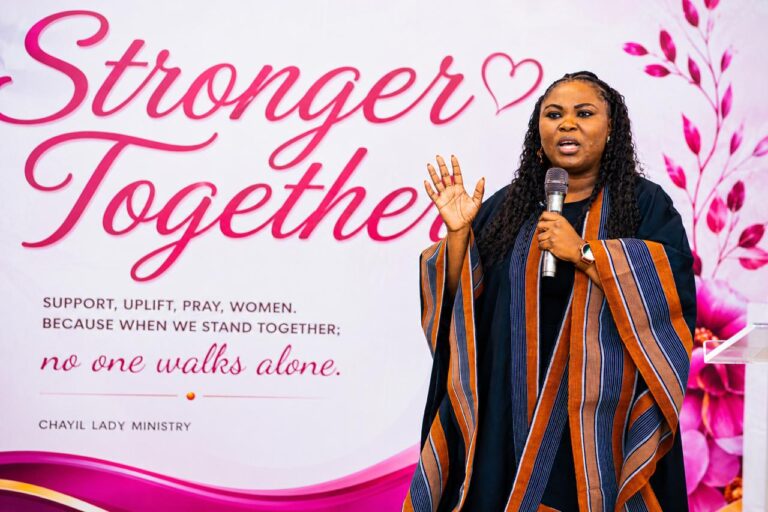
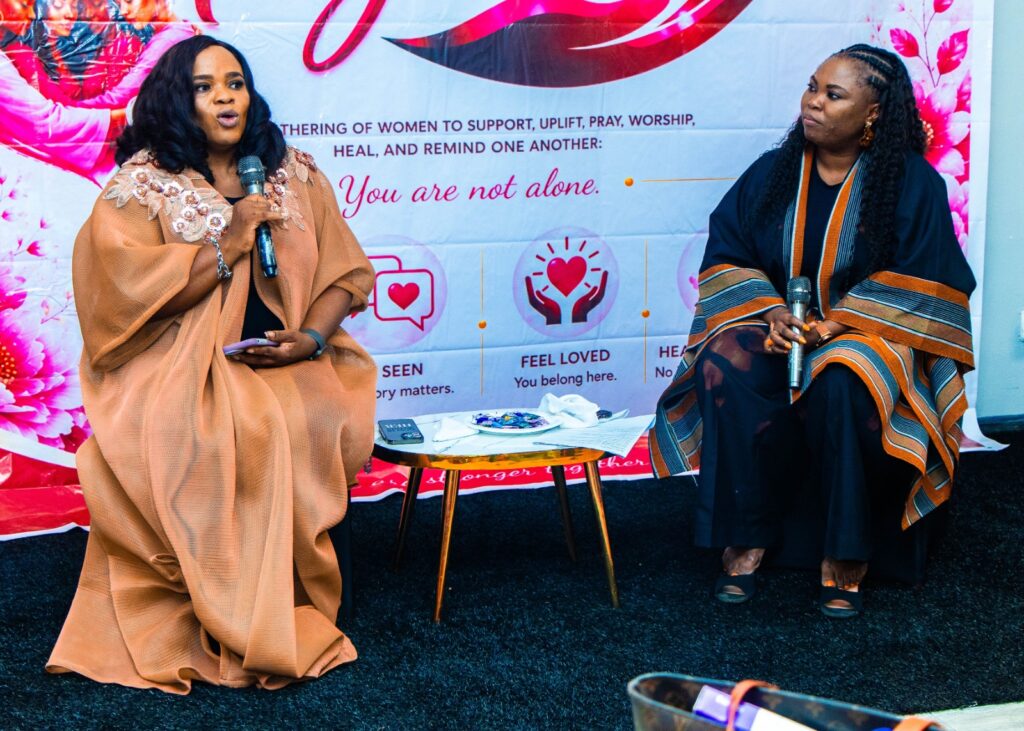
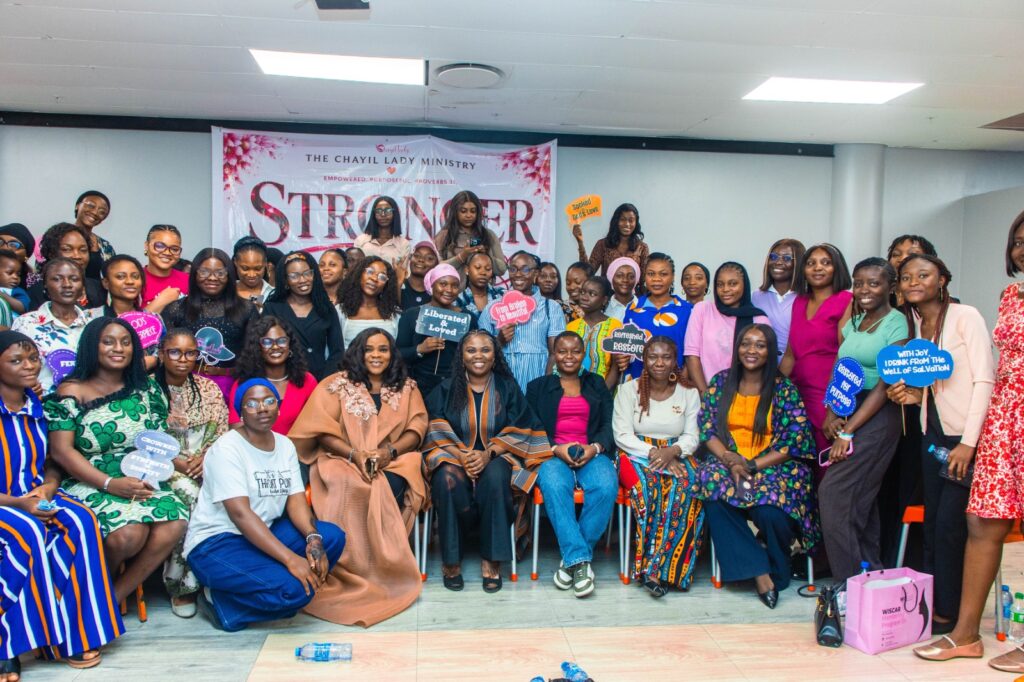
It is this growing reality that inspired Eniola Peters, Founder of Chayil Lady Ministry, to convene the Stronger Together Gathering, an initiative designed to create safe spaces where women can encounter God, find healing, build meaningful relationships, and discover that they were never created to walk life’s journey alone.

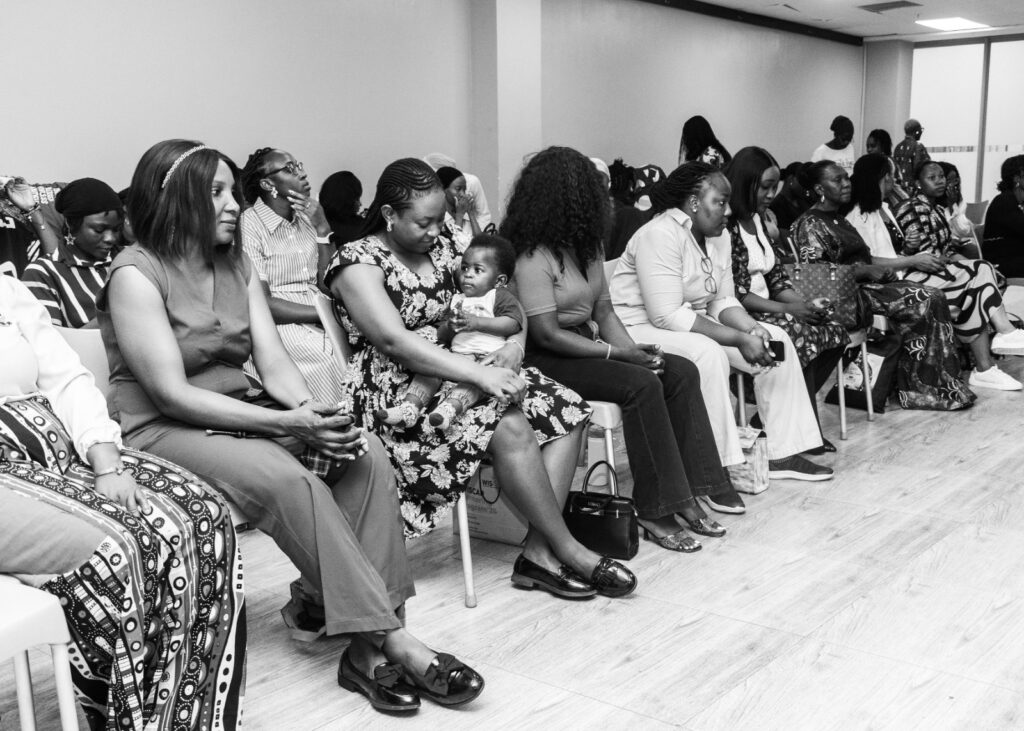
Held in Abuja, the gathering brought together women from different walks of life for a morning of worship, honest conversations, prayer, reflection, and encouragement. Unlike traditional women’s conferences that often focus primarily on teaching, Stronger Together intentionally created room for women to be vulnerable, share their stories, and find strength in the experiences of others.

Throughout the gathering, speakers courageously shared personal stories of pain, disappointment, addiction, betrayal, grief, restoration, and redemption. Rather than presenting polished success stories, they spoke honestly about the challenges they had faced and how their faith had sustained them through difficult seasons.

As testimony after testimony unfolded, many participants found comfort in the realization that the struggles they believed they were facing alone were shared by other women in the room.

Speaking on the vision behind Stronger Together, Eniola Peters said the gathering was born out of a growing concern that many women have learned to hide their struggles while trying to meet the expectations placed upon them.

“One of the greatest lies many women have believed is that they have to carry everything alone. For years, we’ve celebrated strength, but many women have interpreted that to mean they should never admit when they are hurting. We smile, we serve, we care for everyone else, yet many of us have never been given permission to simply say, ‘I’m not okay.'”

According to Peters, Stronger Together is more than an annual gathering. It is part of a broader vision to build a community where women can experience God’s love, receive encouragement, and grow alongside one another.

“God never designed us to do life alone. Sometimes healing begins with a conversation. Sometimes it begins with a prayer. Sometimes it begins when another woman looks you in the eye and says, ‘I’ve been there too.’ We want every woman who comes into this community to know that she doesn’t have to face life’s battles by herself.”

The gathering featured worship, guided conversations, prayer sessions, personal reflection, and affirmations centred on identity, healing, and God’s unfailing love.

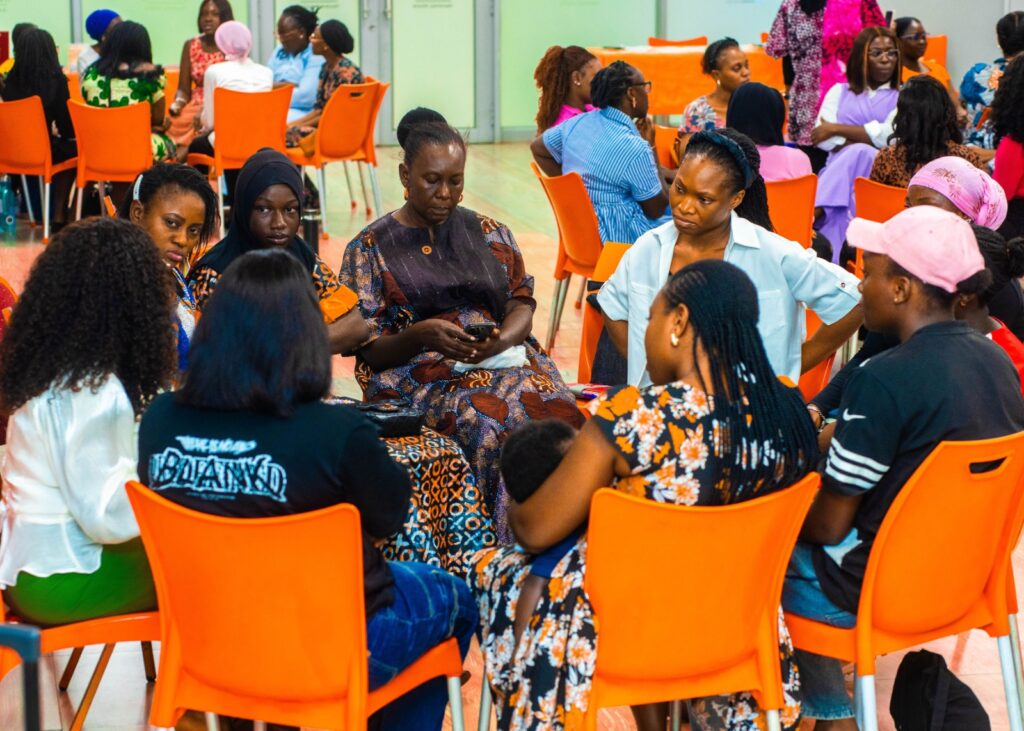
One of the most memorable moments came during an interactive reflection session, where participants realised that many of the fears, disappointments, and silent struggles they had carried privately were shared by countless other women in the room. The exercise reinforced the importance of creating communities where women can speak honestly, receive support, and grow together in faith.

As the event came to a close, women embraced one another, exchanged words of encouragement, and left with renewed hope, strengthened faith, and meaningful connections that extended beyond the gathering itself.

For Peters, the vision of Chayil Lady Ministry goes far beyond organising events. It is about raising women who are spiritually grounded, emotionally healthy, and equipped to support one another through every season of life.

With plans to continue the Stronger Together initiative, the ministry hopes to create more opportunities for women to gather, grow in their faith, encourage one another, and build relationships that reflect God’s love and grace.

About Chayil Lady Ministry

Chayil Lady Ministry is a Christian ministry dedicated to helping women grow spiritually, experience emotional healing, and build lives rooted in God’s Word. Through biblical teaching, prayer, mentorship, and community initiatives such as Stronger Together, the ministry seeks to equip women to thrive in their faith, relationships, and purpose.

Media Contact

Chayil Lady Ministry
📧 thechayillady@gmail.com
Instagram: @thechayillady_ | @eniolapeters_

TalentMakers Foundation Equips Students With Technology at TechSpark Conference 2026

0

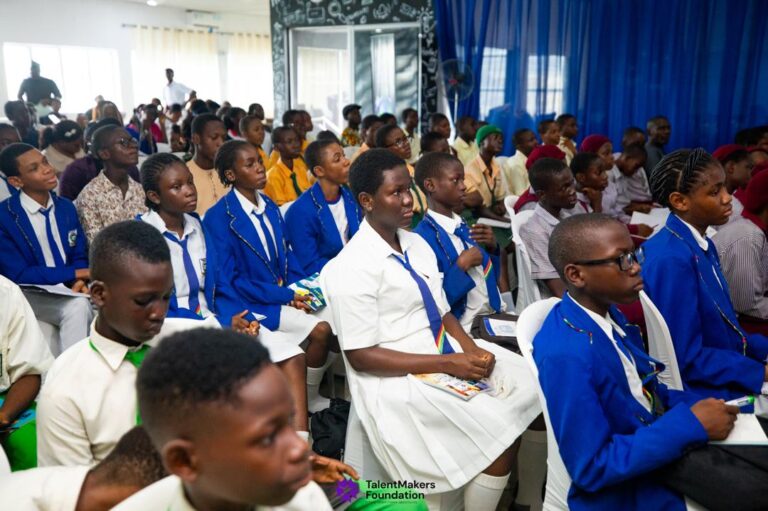
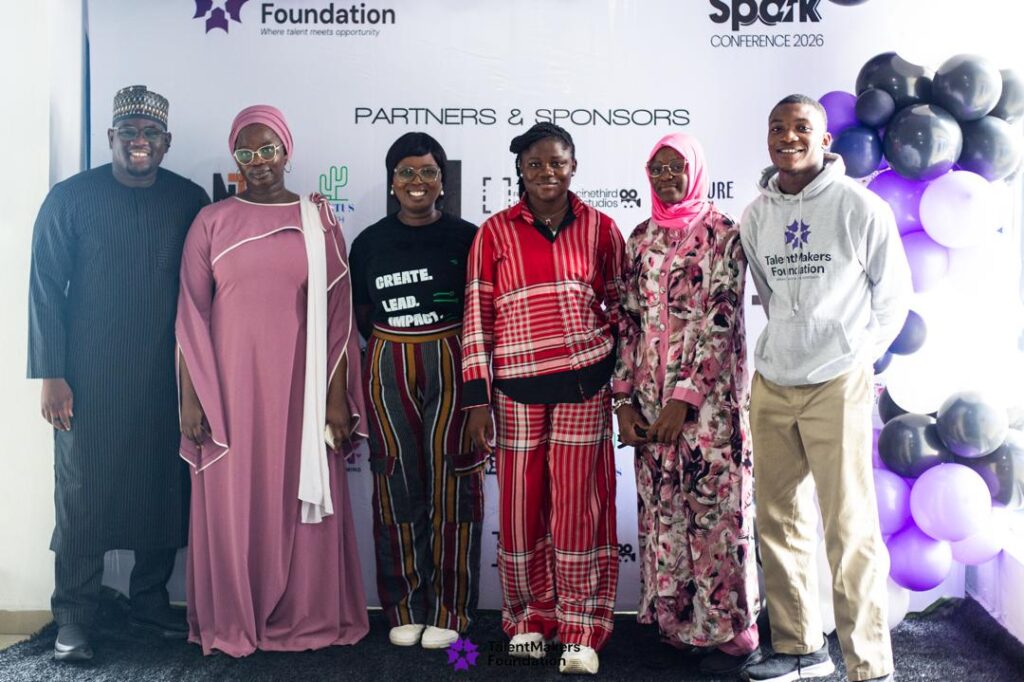
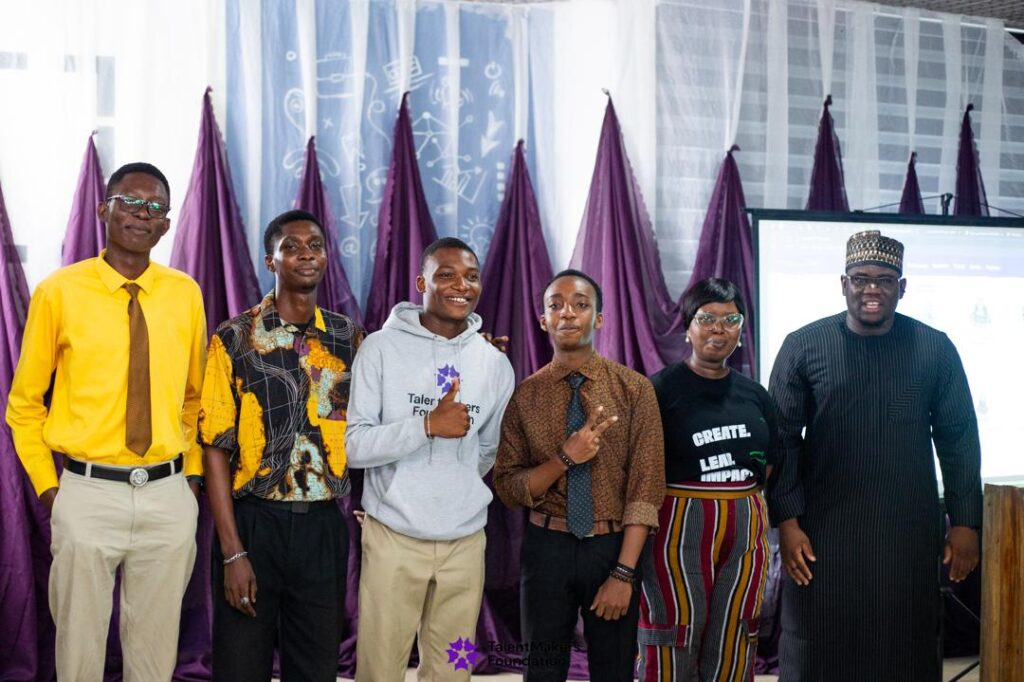
Hundreds of students from across Rivers State gathered in Port Harcourt for TechSpark Conference 2026, a youth-focused technology event organised by TalentMakers Foundation to expose young people to opportunities within the digital economy and inspire them to become innovators, creators, and problem-solvers.

The conference brought together students, technology professionals, educators, and public sector leaders for conversations around innovation, digital skills, leadership, and the future of work.

As technology continues to shape industries and create new career opportunities, stakeholders at the event emphasized the need to ensure that young people, particularly those in underserved communities, are equipped with the knowledge, exposure, and skills needed to thrive in an increasingly digital world.

Representing the Chairman of Emohua Local Government Area, Barr. Dr. Chidi Lloyd, the Chief of Staff, Hon. Peter Ugari, Esq., commended TalentMakers Foundation for its commitment to youth development and technology education.

He noted that young people in rural and underserved communities should not be left behind in conversations around technology and innovation, adding that access to digital skills is becoming increasingly important in today’s world.

Ugari further disclosed plans for collaboration between the Local Government Council and TalentMakers Foundation to provide ICT training opportunities for residents and strengthen digital literacy and employability among young people.

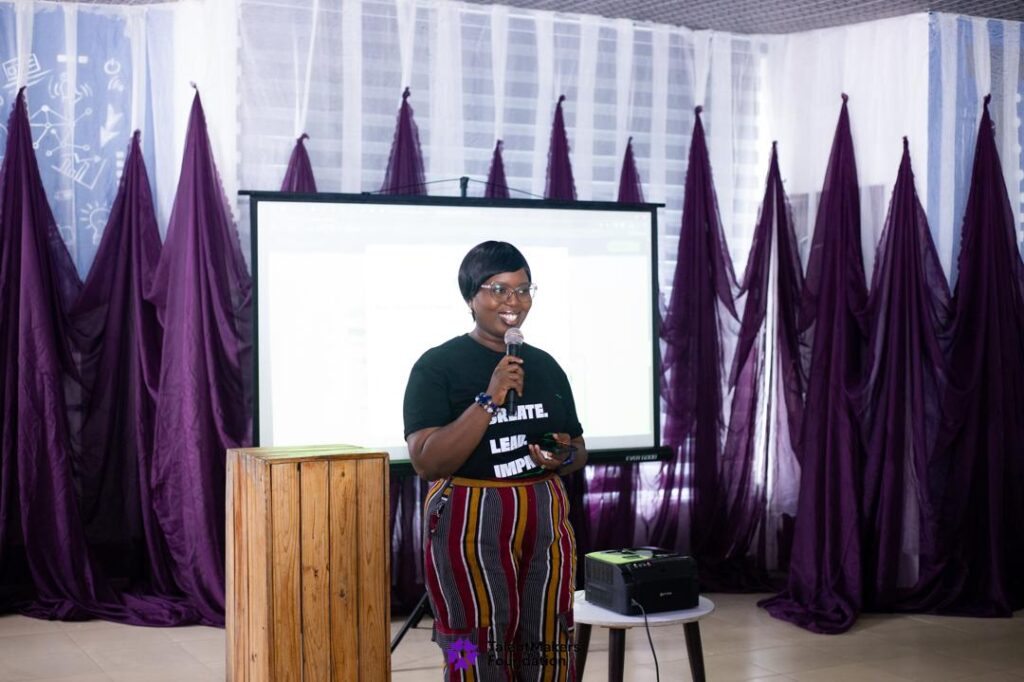
Speaking during the conference, the Executive Director of TalentMakers Foundation, Barr. Omotoyosi Edeboh, said the initiative was created to ignite curiosity among young people and encourage them to see technology as a tool for solving problems and creating opportunities.

According to her, many young people possess creativity and potential but often lack the exposure and support needed to transform ideas into meaningful innovations.

“TechSpark was created to help young people see possibilities beyond their immediate environment. We want them to understand that innovation begins with curiosity and that they have the capacity to develop solutions that can positively impact their communities,” she said.

Edeboh reiterated the Foundation’s commitment to ensuring that young people, particularly those from underserved communities, have access to opportunities that prepare them for the future.

TechSpark, TalentMakers Foundation

She also called on development partners, institutions, and other stakeholders to support initiatives that promote digital inclusion and equip young people with relevant skills for the evolving economy.

Delivering the keynote address, Technical Project Manager, Saifur-Rahman Yusuf, challenged participants to move beyond ideas and focus on action.

He encouraged students to develop the habit of solving problems, noting that some of the world’s most impactful innovations started as simple ideas pursued with consistency and determination.

“Great innovations often begin with ordinary people who identify problems and choose to do something about them,” he said.

The conference also featured presentations and interactive sessions from industry professionals, including Sophia Nei, Founder of Females in Gaming Network (FIGN); Barr. Ochibry Promise, a technology lawyer; Fatima Alhassan, Women Techmakers Ambassador and Community Manager at GDG Gwagwalada; and Qahharat Ibrahim, a Software Quality Assurance Engineer.

TechSpark, TalentMakers Foundation

Through their various sessions, participants were exposed to career opportunities within the technology ecosystem and gained practical insights into digital skills, innovation, leadership, and personal development.

Students who participated in the conference described the experience as inspiring and transformative, noting that it broadened their understanding of technology and introduced them to career pathways they had not previously considered.

Many participants expressed renewed interest in exploring opportunities within the technology sector and applying what they learned to solve challenges within their schools and communities.

The conference concluded with a strong call for increased investment in technology education, innovation programmes, and digital skills development to ensure that more young Nigerians are equipped to participate meaningfully in the future economy.

Through initiatives such as TechSpark, TalentMakers Foundation continues to create opportunities for young people to learn, innovate, and thrive, while helping to build a generation of innovators prepared to shape the future of Africa.

TechSpark, TalentMakers Foundation

MarBen Foundation Tackles Mentorship Gap, Empowers Boys Across Taraba State

0

While significant attention has been given to the development of girls in recent years, stakeholders say many boys are increasingly growing up without the mentorship, guidance, and support systems needed to navigate adolescence and become responsible adults.

From rising cases of substance abuse and cybercrime to negative peer influence, school disengagement, and harmful notions of masculinity, concerns are growing about the challenges confronting boys and young men across communities.

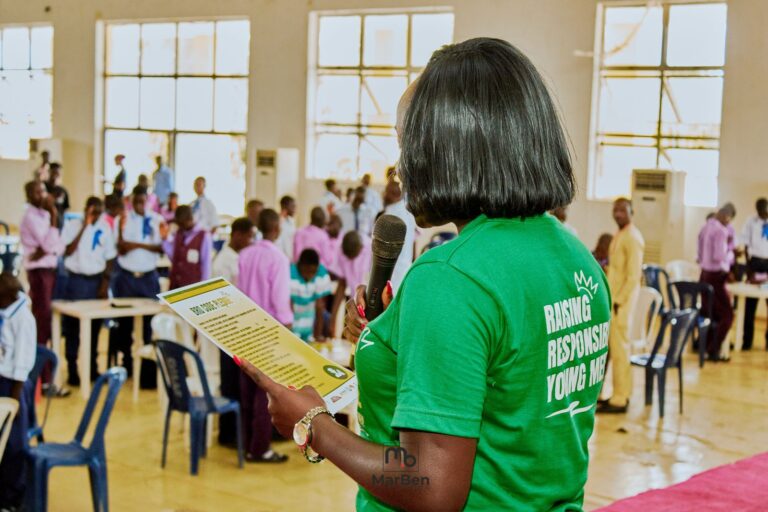
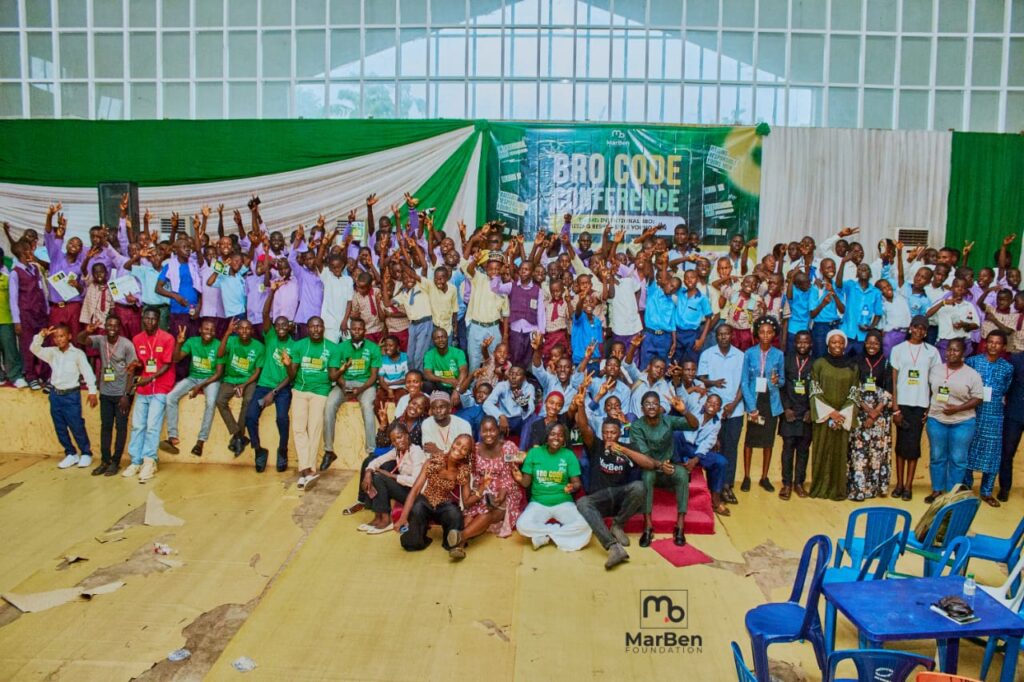
In response, MarBen Foundation has concluded the maiden edition of its BroCode Conference, a mentorship and leadership initiative designed to equip boys with the knowledge, values, and support needed to make positive life choices and become responsible members of society.

Held on June 13, 2026, in Jalingo, Taraba State, the conference brought together more than 230 boys from participating schools across the state and served as the culmination of the six-week BroCode School Tour, which reached over 720 boys in 19 secondary schools. The BroCode Conference was partly supported by TY Danjuma Foundation.

The conference, themed “Intentional Bro: Raising Responsible Men,” was designed to create a safe space where boys could engage in meaningful conversations around leadership, personal development, education, life choices, and responsible masculinity.

According to MarBen Foundation, the initiative was born out of a growing recognition that many boys are navigating critical stages of development without access to positive male role models or structured mentorship.

To address this gap, participants were engaged using the BroCode Mentorship Guide, a specially designed resource covering topics such as self-awareness, self-leadership, drug abuse, peer pressure, cybercrime awareness, financial literacy, sexual health, responsible decision-making, and goal setting.

The programme encouraged boys to openly discuss the challenges they face while providing practical tools to help them make informed decisions and prepare for adulthood.

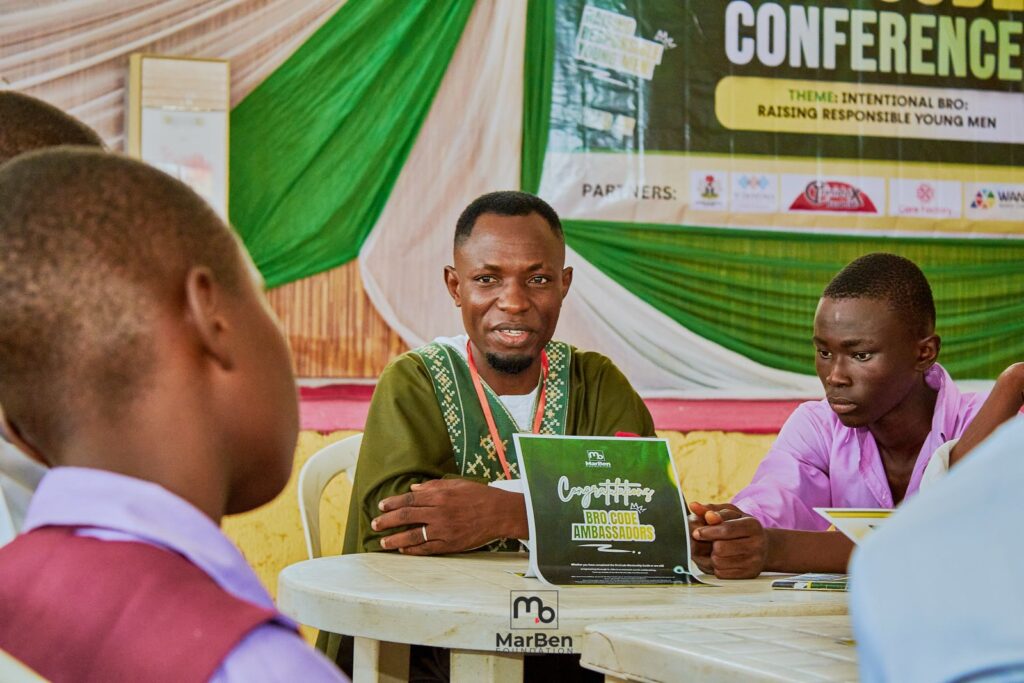
One of the major highlights of the conference was the Father Mentorship Circle, which brought together more than 30 carefully selected mentors from different professions and backgrounds.

MarBen Foundation

Through small-group discussions, participants engaged directly with educators, entrepreneurs, community leaders, professionals, and fathers who shared personal experiences, lessons learned, and insights on navigating life’s challenges.

The mentorship sessions provided a rare opportunity for many of the boys to interact closely with positive male role models and ask questions about education, career growth, relationships, leadership, and personal development.

For one participant from Government Day Secondary School, Kofai, the experience left a lasting impression.

“I loved the small group discussion. I got to ask specific questions and learned a lot from my father mentor. He shared his story of starting primary school at the age of 16 and how determination and focus helped him succeed. His story inspired me to never give up on my dreams,” he said.

At the end of the conference, participants received Certificates of Completion and were inducted as BroCode Ambassadors.

As ambassadors, they are expected to continue promoting positive values, leadership, and peer mentorship within their schools and communities, ensuring that the impact of the programme extends beyond the conference itself.

Speaking during the event, one of the Father Mentors described the initiative as timely and necessary.

“This programme is very good. The vision is valid. Today, we have sown seeds into these boys. I believe that through them, we have a brighter future as a country and as a state. There is hope,” he said.

Speaking on the significance of the programme, Executive Director of MarBen Foundation, Dorcas Elisha, emphasized the urgent need for intentional investments in boys.

“We want to bridge the mentorship gap among young boys. We need to connect them with positive role models and create opportunities for them to learn, grow, and thrive. We cannot leave their development to chance,” she said.

“There is so much happening with boys today, from drug abuse and cybercrime to negative peer influences. If we fail our boys, we fail future generations. These boys will become fathers, husbands, professionals, and community leaders tomorrow. That is why this work matters.”

MarBen Foundation

Elisha noted that BroCode is not simply a conference but a growing movement focused on creating safe spaces where boys can access mentorship, guidance, leadership development, and opportunities for positive growth.

Following the success of the maiden edition, MarBen Foundation has called on government agencies, schools, faith-based institutions, development partners, corporate organisations, and community leaders to support the expansion of the initiative.

According to the Foundation, raising responsible men requires collective action and sustained investment in mentorship, life-skills education, and positive male engagement.

MarBen Foundation is a nonprofit organisation committed to promoting quality, inclusive, and equitable education while empowering children and young people through mentorship, leadership development, digital literacy, skills acquisition, and community-based interventions.

Through BroCode and its other youth-focused initiatives, the organisation continues to work towards building a future where every young person has access to the support, opportunities, and guidance needed to reach their full potential.

WHY SOME PEOPLE BUILD ONCE AND BENEFIT FOREVER: DR. KOLAWOLE OJO EXPLAINS THE MULTIPLIER EFFECT AT TURN TRANSFORM 2026

0

While many entrepreneurs and professionals spend their time searching for the next opportunity, business strategist, educator, and leadership expert Dr. Kolawole Ojo believes the bigger opportunity may already exist within what they have built.

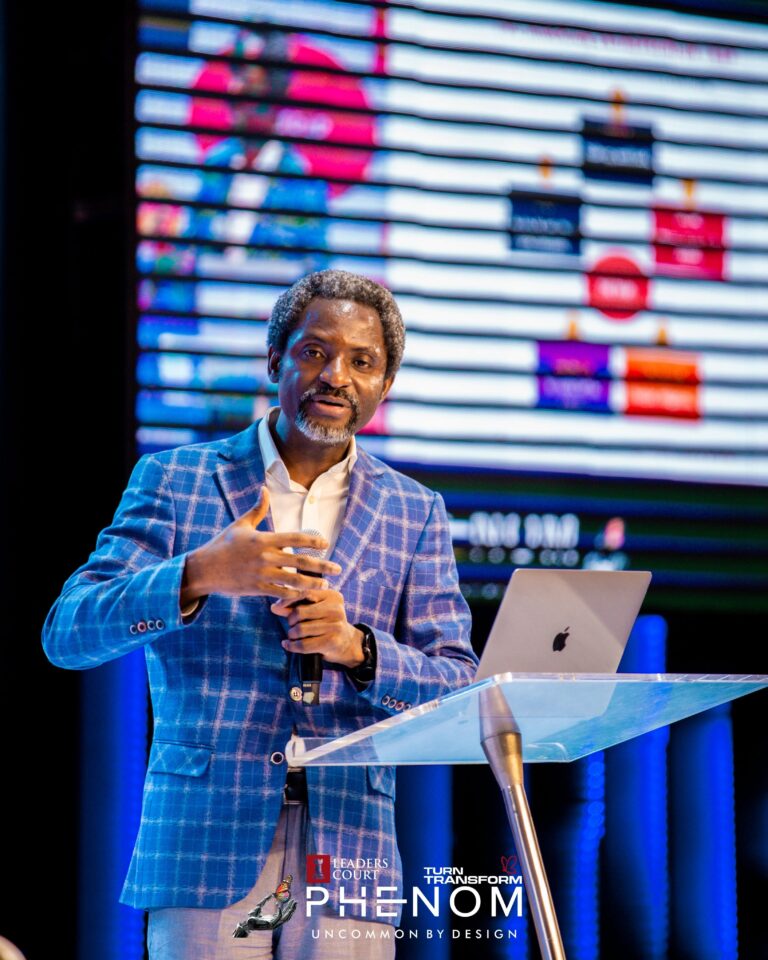
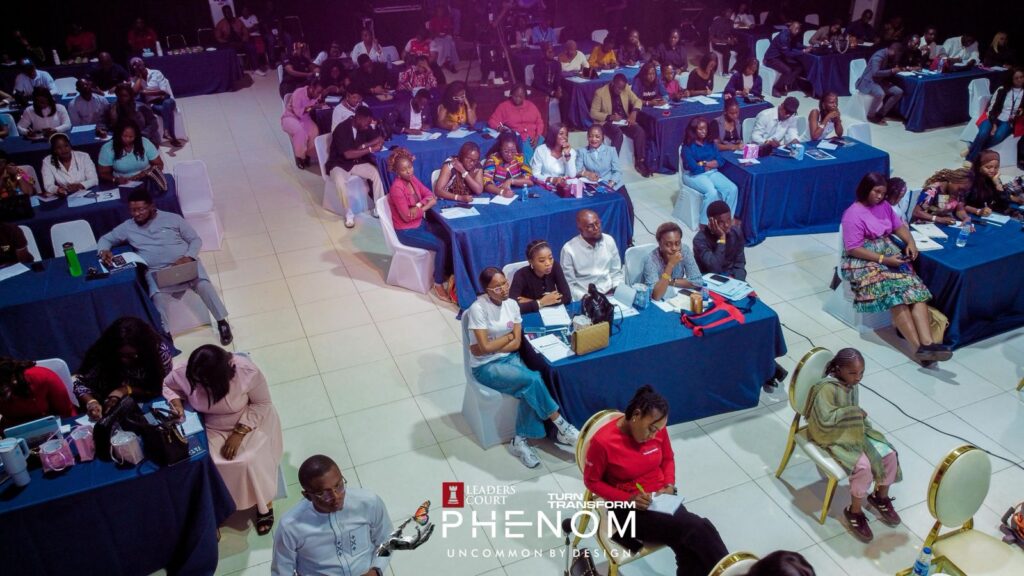
Speaking at Leaders Court TurnTransform 2026, held on June 12 and 13 in Abuja under the theme, “The Phenom: Uncommon by Design,” Dr. Ojo challenged participants to rethink how they approach growth, leadership, and value creation.

A respected business strategist, educator, researcher, and executive coach, Dr. Ojo is widely recognized for his contributions to leadership development, business transformation, and organizational growth. With multiple advanced degrees and years of experience spanning academia, consulting, executive leadership, and entrepreneurship, he has built a reputation for helping individuals and organizations identify opportunities, scale impact, and create sustainable value.

Dr. Kolawole Ojo

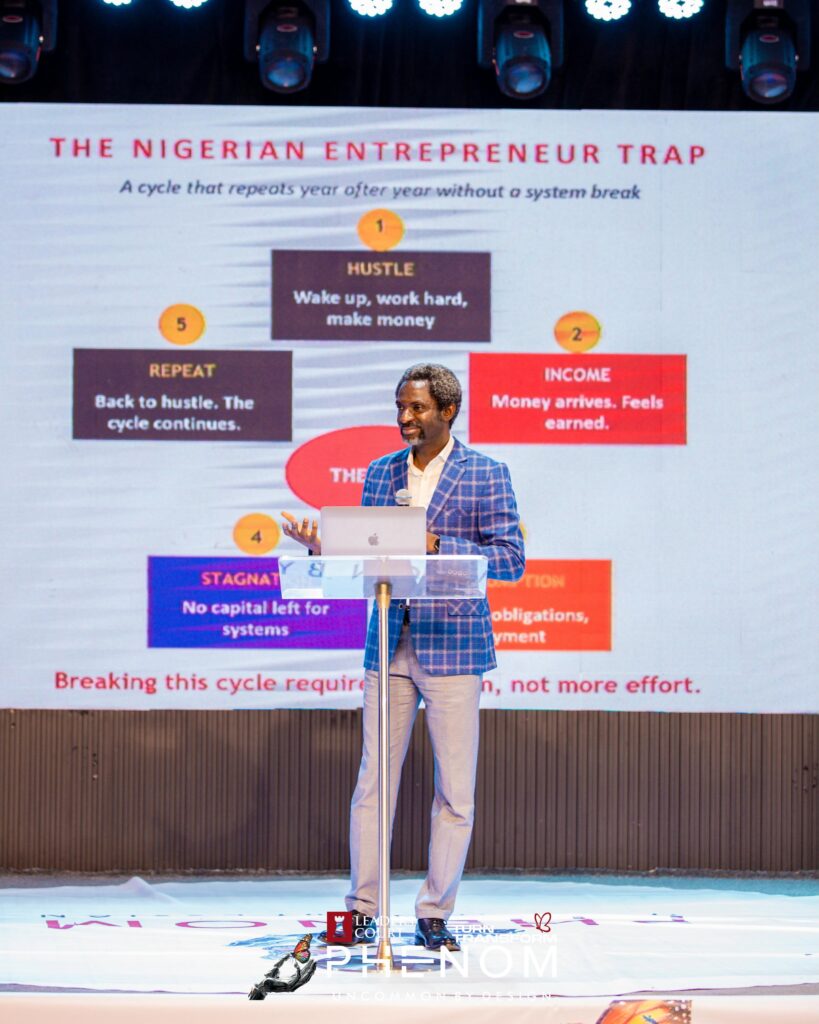
During his session on the Multiplier Effect, Dr. Ojo introduced participants to a way of thinking that focuses on creating multiple streams of value from existing ideas, products, relationships, systems, and opportunities.

Using practical examples, including the evolution of companies such as Netflix, he demonstrated how organizations can move beyond traditional models of growth by intentionally building systems that generate value repeatedly and at scale.

According to him, sustainable success is rarely the result of working harder alone. Instead, it comes from understanding how to multiply the value already embedded within a product, service, idea, network, or organization.

Throughout the session, he explored themes such as data as a wealth multiplier, social capital, culture, systems thinking, and the importance of moving from transactions to ecosystems.

He encouraged participants to stop viewing growth as a linear process and begin identifying opportunities for multiplication within their existing work.

For many attendees, the session was one of the conference’s most practical and intellectually engaging conversations.

Speaking on the impact of the session, education advocate and fellow speaker at the conference, Raquel Kasham Daniel, said Dr. Ojo’s presentation resonated deeply with her as someone currently building and scaling multiple initiatives.

“As someone who is currently building, his session gave me a lot of clarity.

Sometimes when you’re building, you’re so focused on what next to do, what next to create, or where the next opportunity will come from. But listening to him made me stop and think differently.

He helped me see that growth is not always about creating something new. Sometimes the opportunity is hidden inside what you’ve already built and learning how to multiply it.

A lot of the things he shared around systems, culture, data, networks, and value multiplication spoke directly to where I am right now. Some of those ideas completely changed how I’m looking at the work I’m building.”

Participants also commended Dr. Ojo’s ability to simplify complex concepts and make them accessible to people regardless of their industry or background.

Dr. Kolawole Ojo

Beyond his expertise and impressive academic credentials, many attendees noted his humility, willingness to engage, and ability to connect practical business principles with everyday leadership challenges.

His presentation reinforced a message that echoed throughout the conference: extraordinary impact is not always created by doing more, but by learning how to get more value from what already exists.

Dr. Ojo’s session formed part of a broader conversation on leadership, influence, personal growth, financial discipline, and legacy-building at TurnTransform 2026.

Other speakers at the conference included Founder and President of Leaders Court, Ifejola Opara; leadership strategist Eric Gugua; financial educator Stanley C. Onuorah; and education advocate and social entrepreneur Raquel Kasham Daniel, each bringing unique insights on what it means to become uncommon by design.

As the conference concluded, participants left with fresh perspectives, practical strategies, and renewed motivation to lead, build, and create lasting impact in their respective fields.

In a world that often celebrates constant hustle and endless activity, Dr. Ojo’s message offered a different perspective: lasting success comes not only from what we create, but from our ability to multiply the value of what we have already built.

Dr. Kolawole Ojo

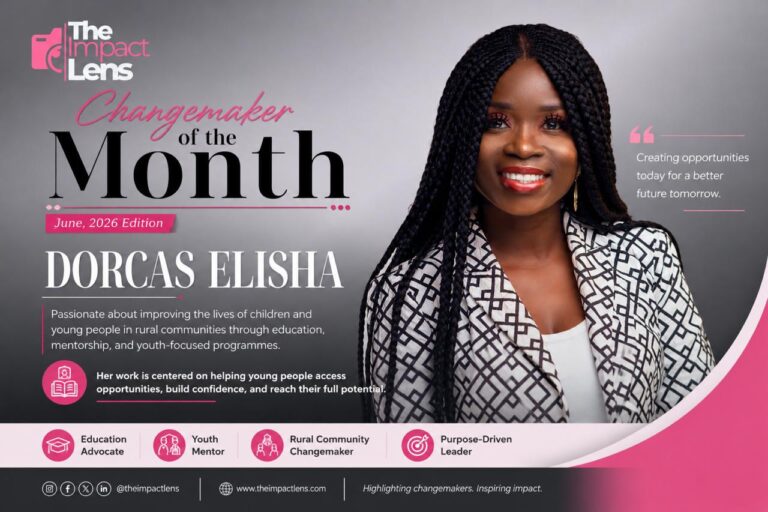
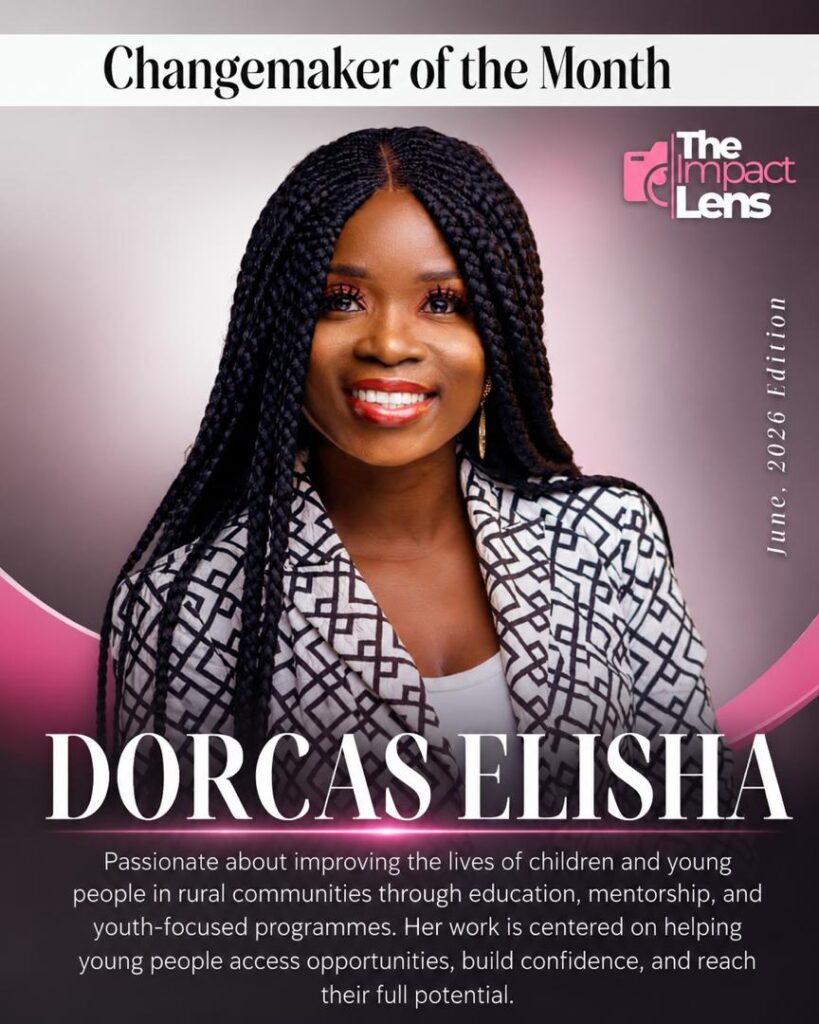
Impact Lens Changemaker of the Month: Dorcas Elisha Is Taking Quality Education to Rural Communities

0

In many rural communities across Nigeria, where access to quality education remains a challenge, the future of a child is often determined by factors beyond their control.

For some children, the nearest school is miles away.

For others, learning takes place in overcrowded classrooms with limited resources, while many more face barriers created by poverty, inequality, and a lack of opportunities.

Yet, despite these challenges, there are individuals working quietly and consistently to ensure that where a child is born does not determine how far they can go in life.

One of those individuals is Dorcas Elisha.

This month, Impact Lens is proud to spotlight Dorcas Elisha for her dedication to expanding educational opportunities and improving outcomes for children and young people in rural communities.

As an education strategist, social entrepreneur, and youth development advocate, Dorcas has built her work around a simple but powerful belief: every child deserves access to quality education, opportunities to grow, and the support needed to reach their full potential.

While many conversations around education focus on statistics and policies, Dorcas focuses on people.

The children who need support.

The young people searching for opportunities.

The communities often left behind.

And the systems that need strengthening if real change is to happen.

Through her work with the MarBen Foundation, she has continued to champion educational equity and community development, particularly in underserved and rural communities where access to opportunities is often limited.

Her interventions have focused on creating pathways for learning, empowering young people, supporting schools, and advocating for solutions that improve educational outcomes for vulnerable children.

What stands out about Dorcas is her understanding that education is about more than classrooms and examinations.

Education is about confidence.

It is about exposure.

It is about helping young people believe that their dreams are valid regardless of where they come from.

It is about creating opportunities that allow children to see possibilities beyond their immediate environment.

Over the years, she has consistently demonstrated a commitment to ensuring that children in rural communities are not forgotten in conversations about development and nation-building.

Her work reflects a broader vision of community transformation, one that recognises that investing in children and young people is one of the most sustainable ways to create long-term change.

Beyond education, Dorcas is equally passionate about youth leadership and personal development.

She believes that empowering young people requires more than academic support. It also requires helping them build character, confidence, leadership skills, and a sense of purpose.

This commitment was recently reflected in her work with boys and young men through initiatives such as the BRO Summit and Bro Code, which focused on conversations around leadership, responsibility, positive masculinity, character development, and personal growth.

At a time when conversations around youth development often overlook the unique challenges faced by boys, these initiatives created opportunities for meaningful engagement, mentorship, and learning.

The programmes encouraged boys to see leadership as responsibility rather than privilege and to understand the importance of integrity, accountability, and service within their communities.

For Dorcas, this work is connected to a larger vision.

A vision where children are supported.

Young people are empowered.

Communities are strengthened.

And future leaders are intentionally developed.

Her commitment to this vision has earned her recognition within education and development circles, where she continues to contribute to conversations around educational access, youth empowerment, leadership development, and community transformation.

But perhaps what makes her work particularly impactful is the consistency behind it.

Long before the spotlight.

Long before recognition.

And long before many of these conversations became popular.

She has continued to show up for children and young people who need someone to believe in their potential.

She has continued to invest in communities where opportunities are scarce.

And she has continued to create platforms that help young people see possibilities where others see limitations.

In a country where millions of children still face barriers to quality education and meaningful opportunities, the work of individuals like Dorcas Elisha serves as a reminder that lasting change often begins with people who are willing to commit themselves to serving others.

At Impact Lens, we believe changemakers are not simply defined by the programmes they run or the titles they hold.

They are defined by the lives they touch, the opportunities they create, and the communities they help transform.

For her commitment to educational equity, youth development, community transformation, and creating opportunities for children and young people in rural communities, we are proud to recognize Dorcas Elisha as our Changemaker of the Month.

Her work reminds us that when we invest in children, we invest in the future.

And when we invest in rural communities, we strengthen the foundation upon which sustainable development is built.

Elisha Dorcas

NAF Foundation Equips Young Women for Democratic Leadership Through Voices of Change: Legislative Edition

0

Despite constituting nearly half of Nigeria’s population, women remain significantly underrepresented in political leadership and decision-making spaces across the country. From local councils to legislative chambers, women’s voices continue to be underrepresented in conversations shaping policies and governance.

As Nigeria prepares for the 2027 general elections, stakeholders are increasingly calling for greater investment in leadership development programmes that equip young women with the knowledge, skills, and confidence needed to participate meaningfully in democratic processes.

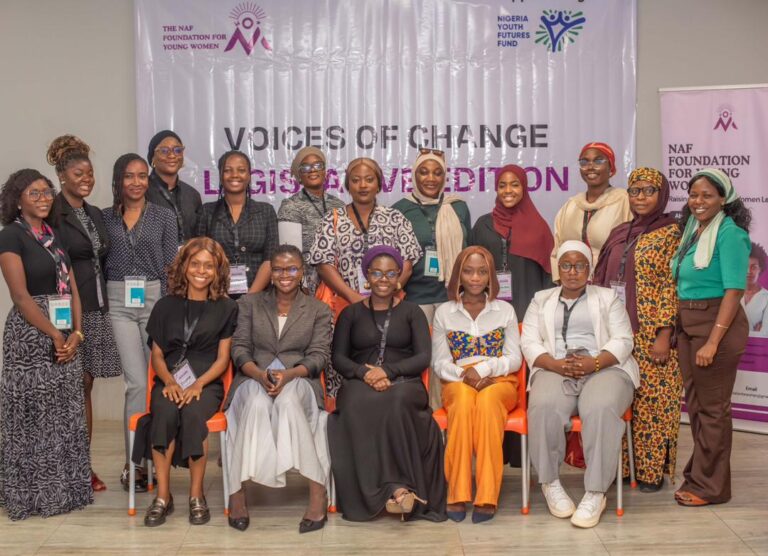
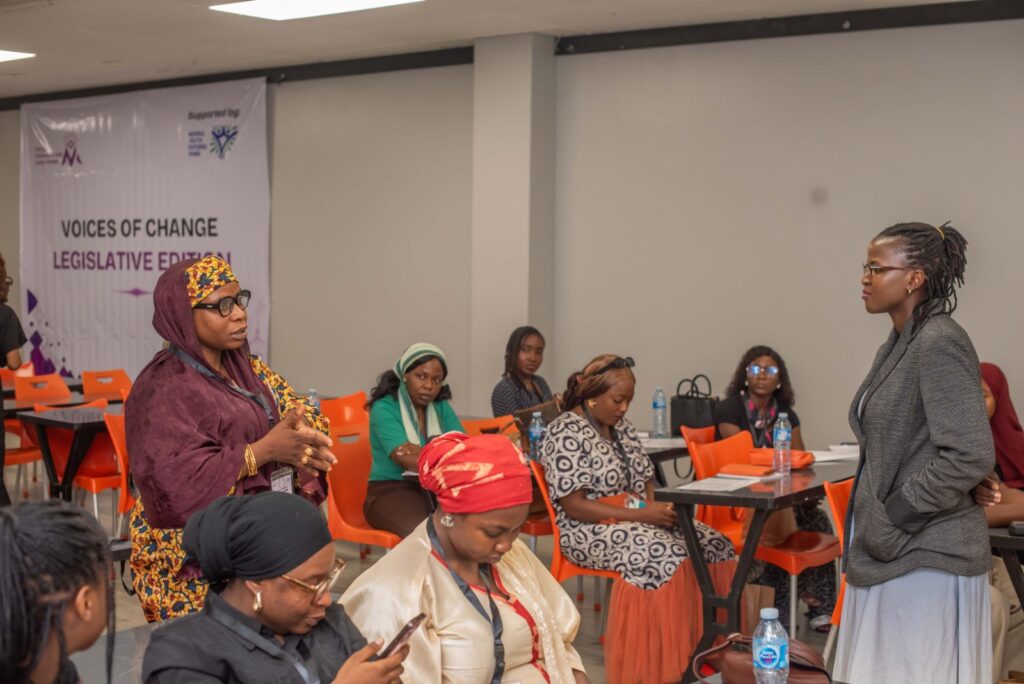
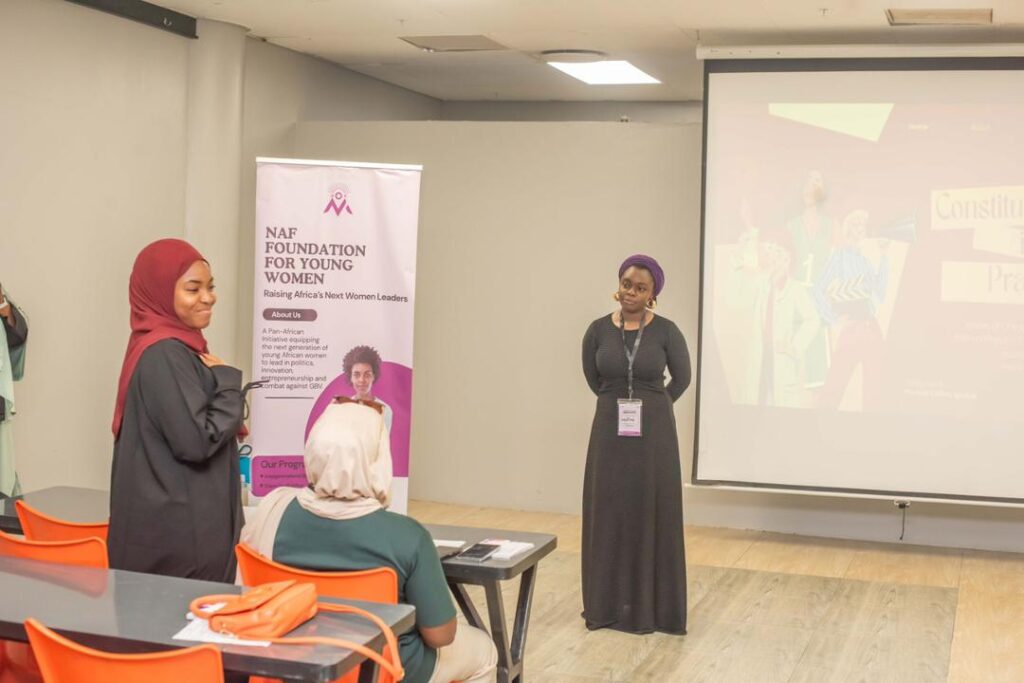
In response to this challenge, the NAF Foundation for Young Women has concluded the training phase of its Voices of Change: Legislative Edition, a civic leadership programme designed to prepare young women for active participation in governance, public leadership, and democratic engagement.

The initiative attracted over 100 applications from across the country, with 20 young women selected to participate in an intensive six-week virtual fellowship focused on legislative leadership, constitutionalism, elections and political representation, public speaking, civic responsibility, and ethical leadership.

According to the organisers, the programme was developed to address the persistent gap in women’s political participation by exposing participants to the knowledge and practical skills required to engage confidently in governance and public affairs.

whatsapp image 2026 06 09 at 12.59.56 pm

Throughout the fellowship, participants received training from experts in governance, law, public policy, and leadership. Notably, two alumni from the maiden edition also served as facilitators, reflecting the programme’s growing network of young women leaders committed to advancing democratic participation and civic engagement.

Moving beyond classroom learning, the fellows participated in a capacity-building workshop held on May 23, 2026, where they prepared for a Youth Mock Assembly simulation designed to provide hands-on legislative experience.

During the simulation, participants assumed various legislative roles, debated policy issues, applied parliamentary procedures, and developed recommendations addressing national and community challenges.

The exercise provided a practical understanding of how legislative institutions function while strengthening participants’ confidence in public speaking, policy analysis, advocacy, and democratic engagement.

The programme will culminate in a graduation ceremony scheduled for June 12, 2026, in commemoration of Nigeria’s Democracy Day.

Held under the theme “Young Women Shaping Nigeria’s Democratic Future,” the event will celebrate the achievements of the fellows while highlighting the critical role young women play in strengthening democratic governance, representation, and nation-building.

Speaking on the impact of the initiative, Executive Director of the NAF Foundation for Young Women, Nafisa Atiku Adejuwon, reaffirmed the organisation’s commitment to developing the next generation of women leaders.

whatsapp image 2026 06 09 at 12.56.04 pm

“We remain committed to building a generation of informed and engaged young women leaders. These fellows are fully prepared to contribute meaningfully to democratic development at local, state, and national levels,” she said.

As conversations around inclusive governance continue to gain momentum, programmes such as Voices of Change are helping to ensure that more young women are equipped not only to participate in democracy, but also to influence and shape its future.