

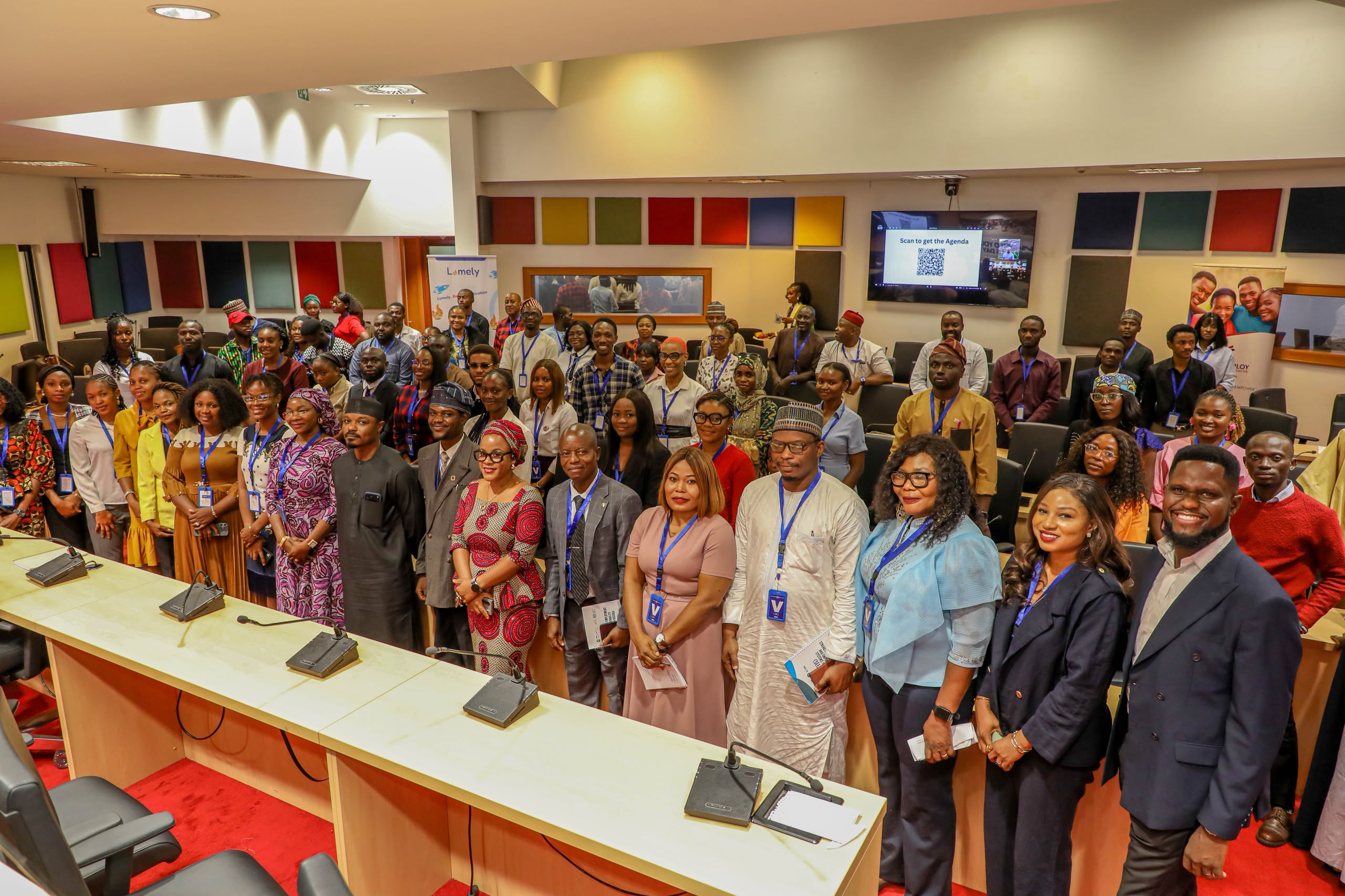
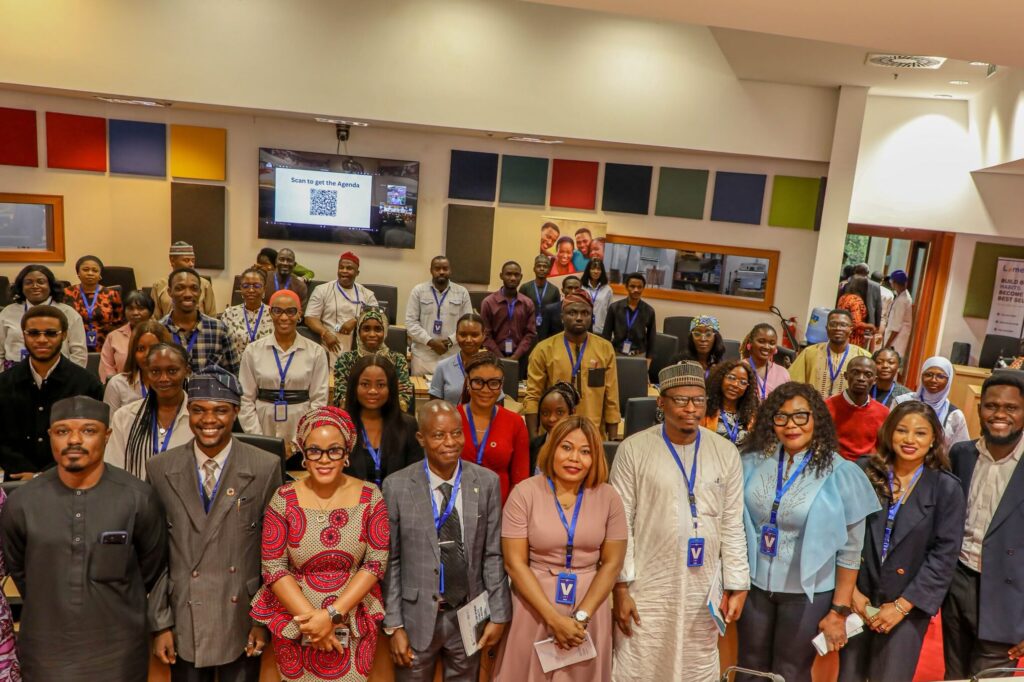
The International Labour Organization (ILO), in collaboration with the Youth Employ & Development Initiative (YEDI), the Federal Ministry of Youth Development, and other development partners, convened government officials, employers, labour representatives, educators, development practitioners, and young people at the United Nations House, Abuja, on 22 July 2026 to commemorate World Youth Skills Day 2026.
Held under the global theme, “Skills for a Shared Future,” the event provided a platform for dialogue on how governments, employers, workers’ organisations, educational institutions, and development partners can work together to equip young people with the skills needed to thrive in an increasingly digital, AI-driven, and green economy.
Although World Youth Skills Day is observed annually on 15 July, this year’s national commemoration brought together key stakeholders a week later to reflect on the changing nature of work and identify practical pathways for expanding youth employment, entrepreneurship, and lifelong learning opportunities in Nigeria.
Representing the International Labour Organization Country Director for Nigeria, Ghana, Liberia, and Sierra Leone, Dr Vanessa Phala, Inviolata Chinyangarara, Senior Specialist for Workers’ Activities (ACTRAV), called on governments, employers, workers’ organisations, training institutions, development partners, and the private sector to strengthen collaboration in creating decent work and sustainable livelihoods for young people.
She noted that rapid advances in digital technology, artificial intelligence, and the transition to greener economies are reshaping labour markets across the world, making future-ready skills more important than ever.
“While these trends are creating new opportunities for innovation, productivity and job creation, they are also shaping skill requirements and increasing the risk of unemployment or underemployment, exclusion and inequality for those who lack access to relevant skills and decent work opportunities,” she said.
She added that Nigeria is well positioned to harness its youthful population as a driver of inclusive economic growth but stressed that achieving this requires coordinated investments in skills development, employment policies, and stronger partnerships across sectors.
According to her, the International Labour Organization has continued to support Nigeria’s employment agenda through its collaboration with the Federal Ministry of Labour and Employment and the GIZ SKYE Programme, including ongoing efforts to strengthen the country’s employment governance framework and the revision of the National Employment Policy 2025.
Earlier, Ngwaogu Michael, Director of the Enterprise Development and Promotion Department at the Federal Ministry of Youth Development, delivered the opening remarks, reaffirming the Ministry’s commitment to supporting policies and partnerships that expand opportunities for young people through enterprise development, innovation, and skills acquisition.
The event also featured goodwill messages from representatives of the Federal Ministry of Labour and Employment, the Nigeria Employers’ Consultative Association (NECA), the Nigeria Labour Congress (NLC), the National Council on Climate Change (NCCC), and the Youth Employ & Development Initiative (YEDI). Speakers underscored the importance of collaboration among government, employers, workers’ organisations, development partners, and civil society in preparing young people for the future of work.
Founder and Executive Director of Youth Employ & Development Initiative, Akin Akinbisola, encouraged participants to take full advantage of the platform by engaging in meaningful conversations, building partnerships, and exploring practical solutions that can improve youth employment outcomes across the country.
The first panel session, themed “Government Policies and Partnerships for Skills Development, Employment and Enterprise,” examined how public institutions can strengthen the systems that connect skills development with employment and enterprise opportunities.
The discussion featured representatives from the Federal Ministry of Labour and Employment, the Federal Ministry of Youth Development, the National Board for Technical Education (NBTE), the Office of the Vice President, the National Directorate of Employment (NDE), and the National Council on Climate Change (NCCC). Discussions focused on strengthening policy coordination, workforce development, technical and vocational education, green jobs, and building stronger partnerships that improve employment outcomes for young Nigerians. The session was moderated by Lasisi Godwin.
The second panel session shifted attention to employers and the changing demands of the labour market. Under the theme “Private Sector Perspectives on Future Skills and Employment,” representatives from the Nigeria Labour Congress (NLC), the Nigeria Employers’ Consultative Association (NECA), MTN Nigeria Communications PLC, and the Nigeria Bottling Company discussed the skills employers increasingly value, the importance of workplace readiness, and the role of industry in supporting young people’s transition from learning to employment. The session was moderated by Terna Akin-Akinbisola.
The programme concluded with an interactive question-and-answer session facilitated by Morenikeji Olaniran, giving young participants an opportunity to engage directly with speakers and panelists on career development, employability, entrepreneurship, workplace expectations, and opportunities within emerging sectors.
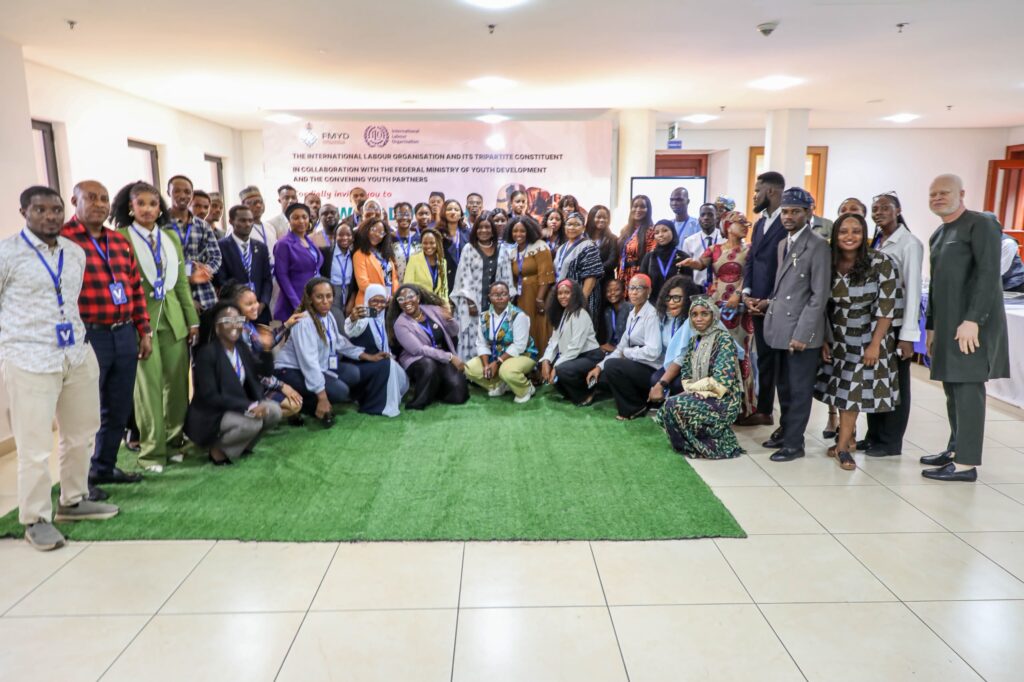
The event reinforced the importance of stronger collaboration among governments, employers, workers’ organisations, educational institutions, and development partners in building inclusive systems that equip young people with relevant skills while creating pathways to decent work and sustainable livelihoods.
Observed annually on 15 July, World Youth Skills Day highlights the critical role of skills development in promoting youth employment, entrepreneurship, and sustainable development. This year’s global theme, “Skills for a Shared Future,” emphasises the need for collective action to ensure young people are equipped to succeed in a rapidly evolving world of work shaped by technological innovation, artificial intelligence, and the transition to greener economies.