
Education Cannot Wait (ECW), the global fund for education in emergencies and protracted crises, has announced an additional US$3.7 million to expand education support for children and young people affected by conflict, insecurity and displacement in Mali and Niger.
The funding will extend an earlier US$6 million emergency response grant announced in July 2019, bringing additional resources to communities where violence and instability have disrupted access to education.
According to ECW, the new funding is expected to reach more than 160,000 children and young people through interventions aimed at restoring access to learning and making schools safer.
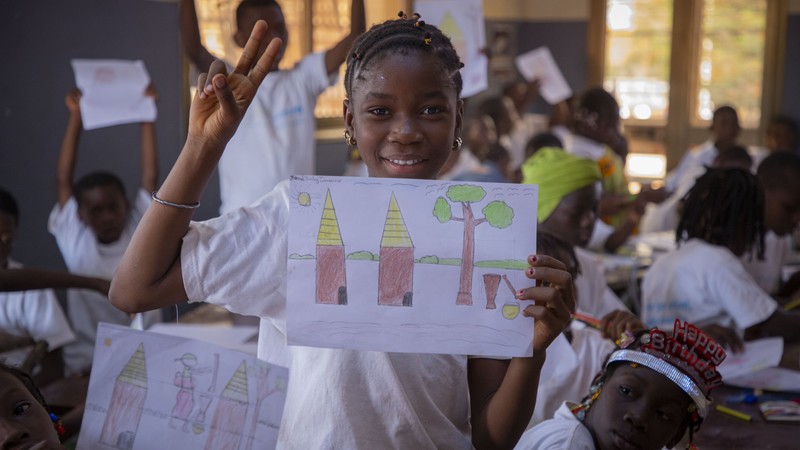
The programme will support the construction and rehabilitation of classrooms for 15,000 out-of-school children and young people, provide learning materials to more than 100,000 students and promote improved menstrual health and hygiene for over 130,000 girls. It will also support safer and more protective learning environments for more than 160,000 students.
The intervention comes amid a growing education crisis across the two countries. Violence, displacement and attacks on schools have disrupted learning, with more than 320,000 children and young people affected by school closures.
In Niger, the Tillabéri and Tahoua regions have been particularly affected by insecurity and population displacement. More than 100,000 school-age children in the two regions were identified as needing humanitarian assistance, while approximately 17,000 refugee children in the country lacked access to any form of education support.
A total of US$1.3 million has been allocated to the Niger response, which will be implemented by UNICEF, Save the Children and the Norwegian Refugee Council.
In Mali, the situation is also critical, particularly in the central and northern regions, where threats from armed groups and intercommunal conflict have forced schools to close.
An estimated 450,000 children in the country were in need of humanitarian assistance, while more than 1,000 schools were reported to be non-functional, affecting over 315,000 students.
The Mali intervention will receive US$2.4 million, with World Vision and UNICEF serving as implementing partners.
Yasmine Sherif, Director of Education Cannot Wait, said children and young people in the Sahel were bearing the consequences of armed conflict, forced displacement, poverty, climate change, food insecurity and malnutrition.
She explained that the additional investment would help provide educational opportunities for some of the region’s most vulnerable children, enabling them to learn and develop the skills needed for their future.
The funding will also build on progress already recorded in the region. According to Education Cluster reports cited by ECW, approximately 100,000 children and young people accessed quality and inclusive education in 2019. By October of that year, more than 46,000 girls and boys had been reached through ongoing interventions, while 73,000 students had received learning materials.
Despite these efforts, ECW noted that an estimated US$42 million funding gap remained for the education humanitarian response in the targeted areas.
The expanded intervention highlights the importance of keeping education accessible during humanitarian crises, particularly for girls and children whose schooling is interrupted by conflict and displacement.