Home Blog Page 16

Ashake Foundation Launches the Ashake Skill and Knowledge Acquisition Project (ASKAP) with Support from Ishk Tolaram Foundation

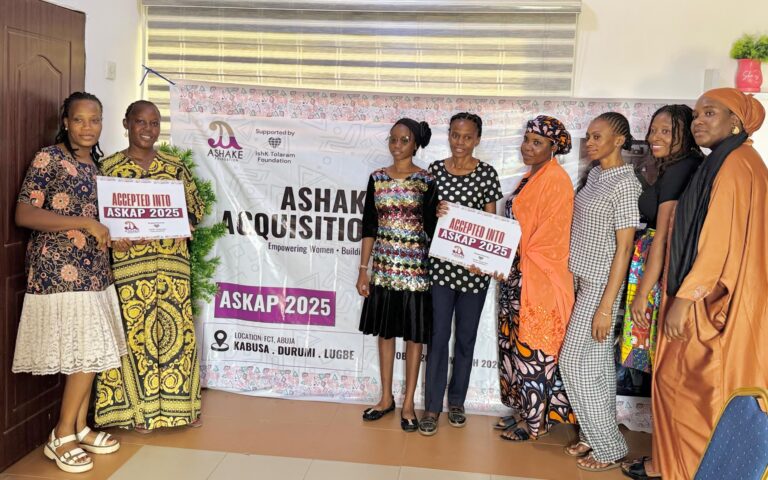
The Ashake Foundation has officially launched the Ashake Skill and Knowledge Acquisition Project (ASKAP), a transformative empowerment program designed to equip young mothers in Abuja with practical skills, business knowledge, and mentorship to help them build sustainable livelihoods and improve their families’ well-being.

The initiative, supported by the Ishk Tolaram Foundation, focuses on young mothers who are eager to work and create a better future but face challenges such as limited access to training, financial resources, and business guidance. Through ASKAP, participants will gain hands-on vocational skills, financial literacy education, and entrepreneurship mentorship that will enable them to transition confidently from training to income generation.

Building on Ashake Foundation’s Nwa-Girl Apprenticeship Model, ASKAP integrates practical learning with mentorship and community support, ensuring participants are not only skilled but also empowered with the confidence, discipline, and guidance needed for long-term growth.

The project was launched on November 5, 2025, with an orientation session for the first cohort of beneficiaries held in Durumi, Abuja. The orientation marked the beginning of a transformative journey for the selected participants, setting the tone for weeks of intensive learning and personal development.

Speaking at the launch, Mrs. Mayowa Adegbile, Founder of Ashake Foundation, emphasized the vision behind the project:

“We created ASKAP because we see the resilience of young mothers every day, women who are determined to provide for their families but lack access to opportunities. ASKAP bridges that gap by giving them not just skills, but also knowledge, mentorship, and a supportive community that will help them succeed.”

Mrs. Adegbile expressed deep gratitude to the Ishk Toleram Foundation for its generous support and partnership.

“Our work is made stronger through collaborations like this. Ishk Toleram Foundation’s commitment to empowerment and sustainable development mirrors our own mission. Together, we are giving women the tools to break cycles of poverty and build brighter futures for themselves and their children.”

The Ishk Tolaram Foundation’s support for ASKAP reinforces its dedication to empowering women, promoting inclusive growth, and improving livelihoods across Nigerian communities. Through this collaboration, Ashake Foundation is able to expand its reach and deepen its impact among vulnerable women who need it most.

ASKAP represents another milestone in Ashake Foundation’s mission to reduce poverty, promote gender equality, and create pathways for women to thrive. By investing in young mothers and equipping them with employable skills and entrepreneurial know-how, the foundation continues to strengthen families, communities, and the broader economy.

About Ashake Foundation
Ashake Foundation is a non-profit organization committed to empowering women and girls across Nigeria through education, skill acquisition, mentorship, and community development programs. The Foundation focuses on sustainable empowerment—ensuring that women are not only supported but equipped to thrive independently.

About Ishk Tolaram Foundation
The Ishk Tolaram Foundation is a philanthropic organization dedicated to improving lives and promoting sustainable development through education, skills training, and community-based initiatives. Its programs focus on empowering vulnerable groups, supporting entrepreneurship, and driving social change across Nigeria and beyond.

Media Enquiries:
Email: ashakefdn@gmail.com
Phone: +234 913 473 7314
Website: www.ashakefoundation.com
Teenage Network Strengthens Sexual Violence Response Systems in FCT Schools

0

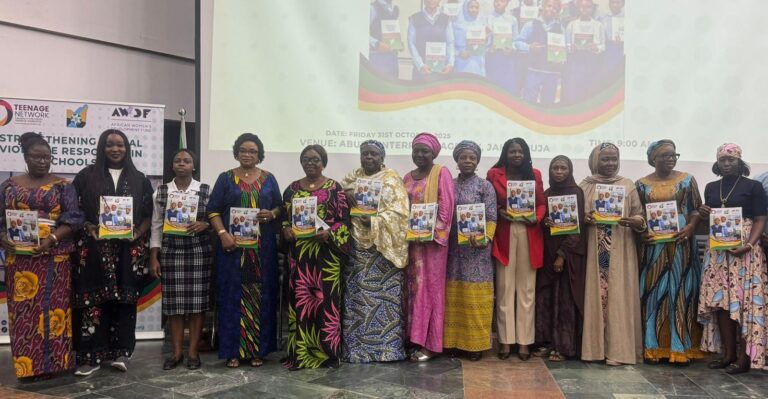
The Teenage Network has successfully concluded its two-year project on Strengthening Sexual Violence Responses in FCT Schools, introducing a groundbreaking Sexual Violence Reporting and Management Framework aimed at standardising how cases of school-related sexual violence are prevented, reported, and managed across both public and private institutions in the Federal Capital Territory.

Speaking at the project’s close-out event in Abuja, Executive Director, Olanike Timipa-Uge, described the initiative as a major milestone in safeguarding learners and strengthening institutional accountability within the education system. She noted that the project, which began two years ago, was developed in response to alarming gaps that had allowed incidents of sexual violence in schools to go unnoticed or unaddressed.

“We found that about 65 percent of school-related sexual violence cases were never reported,” Timipa-Uge revealed. “There was no clear pathway for survivors or witnesses to safely report incidents. This new framework changes that. It introduces multiple reporting channels, including anonymous options, suggestion boxes, and hotlines—ensuring that no voice goes unheard.”

The new framework, now adopted in FCT schools (primary and secondary, public and private), establishes a survivor-centred and standardised system for handling reports of abuse. It also prioritises confidentiality, trauma-informed responses, and collaboration between schools, government agencies, and community stakeholders.

Supported by the African Women Development Fund (AWDF) and implemented in partnership with the FCT Education Secretariat, the project also included a robust capacity-building component. The Teenage Network trained education directors, including the Permanent Secretary, on trauma-informed investigation and survivor-centred case management. Additionally, gender officers from 77 schools were trained, and Sexual Violence Action Committees were established within schools to ensure accountability and follow-up on reported cases.

Timipa-Uge further disclosed that the organisation reached over 90,000 learners through sensitisation activities across 30 schools, empowering students with knowledge about their rights, how to recognise abuse, and how to report it safely.

“We have seen increased awareness,” she added. “More students are opening up, reporting cases, and schools are responding faster and more responsibly. Though the project is ending formally, its impact will continue to inspire systemic change. When schools become zero-tolerance spaces for violence, the ripple effect will be felt across society.”

In her remarks, Mrs. Ramatu Ajuji Abu, Director of Special Duties at the FCT Education Secretariat, commended the initiative as one of the most effective collaborations the Secretariat has engaged in.

“I have never seen a project as serious, committed, and impactful as this one,” Abu said. “We have taken ownership and already set up a structure to continue the work. Training and retraining will remain ongoing to sustain the gains achieved.”

She noted that the project has transformed teachers’ capacity to handle sexual violence cases, breaking the culture of silence that often surrounded such incidents.

“Before now, many cases were covered up,” she said. “Today, students are speaking out, and teachers are better equipped to respond. But to truly end sexual violence, we need collective action, civil society, educators, government, and the media must all work together.”

Also speaking, Mohammed Habiba, a Gender Officer with the FCT Universal Basic Education Board (UBEB), affirmed that the framework is already yielding tangible results, particularly in basic education schools.

“We’ve observed positive shifts in both awareness and response,” she said. “However, pupils in rural areas still fear speaking out. That’s why continuous sensitisation through the media, the National Orientation Agency, and civil society is vital to sustain progress. The government is determined to ensure proper case handling, including prosecution when necessary.”

In her remarks, Dr. Laraba Okah of the FCT Secondary Education Board praised Teenage Network’s long-term partnership and the introduction of a system that ensures lasting accountability.

The event was attended by key stakeholders, including Raquel Kasham Daniel, Executive Director of Beyond the Classroom Foundation, and representatives from the Stand With A Girl (SWAG) Initiative, among others.

They collectively lauded the project’s success, describing it as a foundational step toward institutionalising child protection systems within FCT schools. They also agreed that the framework has set a sustainable precedent for ensuring that schools remain safe spaces for learning, growth, and personal development for every child.

Hilda Baci Receives Second Guinness World Record Plaque for Largest Pot of Jollof Rice

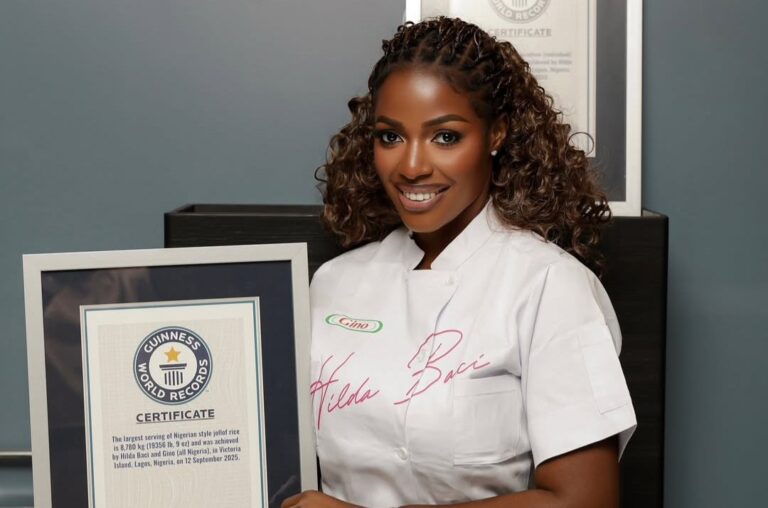
Nigeria’s culinary sensation, Hilda Effiong Bassey, popularly known as Hilda Baci, has once again etched her name in global history after receiving her second Guinness World Record plaque, this time for cooking the world’s largest pot of jollof rice.

The record was officially confirmed by Guinness World Records (GWR) in September 2025, verifying that Hilda prepared an astonishing 8,780 kilograms of jollof rice during a grand cookout held in Lagos, Nigeria. The event, which drew thousands of guests, marked a defining moment in African culinary excellence and made Hilda the first Nigerian chef to hold multiple Guinness World Record titles.

This achievement comes just over a year after her headline-making 93-hour, 11-minute cooking marathon in May 2023, which earned her the first plaque for the longest cooking marathon by an individual. With two Guinness plaques now to her name, Hilda continues to inspire millions across the continent with her story of resilience, faith, and passion.

Sharing photos of her new plaques on Instagram, the Akwa Ibom-born chef reflected on her journey, describing it as one built on “faith, fire, and history.”

“Our plaques are finally here!!! Two records. Two plaques. One story of faith, fire, and history. Twice, God showed up for me. Twice, we made history for Nigeria,” she wrote.

“And not just any records — two of the biggest culinary records ever set. Together with Gino, we created something bigger than ourselves, a story that reached over five billion people and reminded the world what’s possible when passion meets purpose. I’m a two-time world record holder — someone pinch me!”

Hilda also drew strength from Isaiah 61:7, quoting:

“Instead of shame, you will receive a double portion, and instead of disgrace, you will rejoice in your inheritance. And so you will inherit a double portion in your land, and everlasting joy will be yours.”

During the jollof cookout, more than 20,000 guests, including celebrities, food enthusiasts, and influencers, gathered to witness the event. Every serving from the record-breaking pot was later distributed among attendees and charity homes, aligning with Guinness verification standards.

Before her Guinness record-breaking feats, Hilda had already built a solid reputation as a chef, entrepreneur, and food content creator. Through her brand “MyFood by Hilda” and her engaging online tutorials, she became one of Nigeria’s most loved culinary voicesm a title now reinforced by her global recognition.

With two world records to her name, Hilda Baci’s story continues to embody excellence, faith, and the power of perseverance, proving once again that when passion meets purpose, history is made.

The Resource Center for the Blind (RCB), and partners, has offered free eye care and general medical services to over 400 residents

0

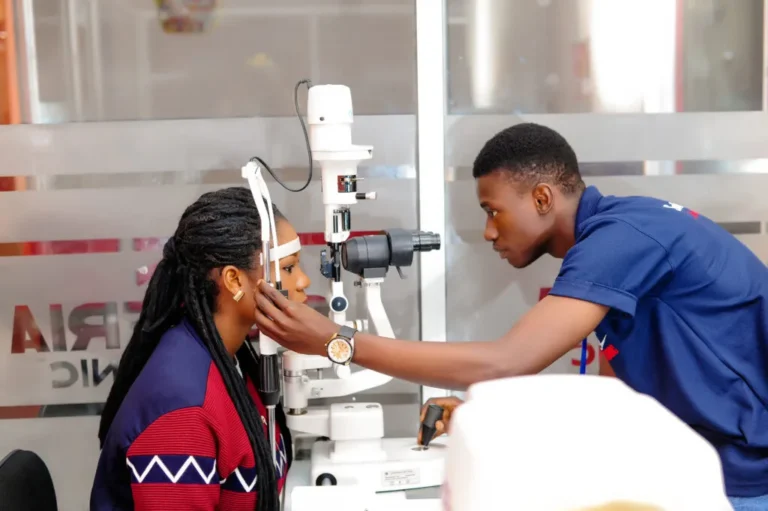
The Resource Center for the Blind (RCB), in collaboration with Amuwo Odofin Local Government and key corporate partners, has offered free eye care and general medical services to over 400 residents during a community health outreach marking World Sight Day, White Cane Day, and Safety Awareness Day in a vibrant display of compassion and inclusion.

The event held under the theme “Eye Care, Eye Everywhere,” the outreach provided free eye screenings, eyeglasses, cataract assessments, and health checks, aimed at promoting preventive healthcare and awareness on visual impairment.

Executive Director of RCB, Mrs. Temitope Ayinla, said the annual event goes beyond medical assistance to drive advocacy, mentorship, and counseling programs that empower persons with visual impairments. “Our mission is to restore dignity and independence. RCB equips the visually impaired with digital, vocational, and life skills to help them thrive in society,” Ayinla explained.

She emphasised that inclusive education and employment remain central to sustainable empowerment, calling on both the government and private sector to provide more scholarships, training opportunities, and job placements for persons living with disabilities. “Education is the foundation of empowerment. We need policies and partnerships that give our members a fair chance to contribute meaningfully to national development,” she added.

Chairman of Amuwo Odofin Local Government, Prince Lanre Sanusi, lauded RCB’s efforts, describing the outreach as a model of inclusive governance and community partnership. “This initiative speaks to the heart of human dignity. We will continue to collaborate with RCB to ensure all residents-sighted or visually impaired have access to healthcare and opportunity,” he said.

Eye consultant Dr. Maryam Olaniyan-Fashola from LASUTH cautioned residents against using harmful substances such as urine or alum as eye treatment, urging regular medical checkups and healthy diets to prevent avoidable blindness.

Mr. Temitope Ashiwaju, representative of Dufil Prime Foods, commended RCB’s consistency and impact. “We are proud to support this cause. Our donation of white canes aligns with our belief that everyone deserves clear vision and care,” he said.

We appreciate corporate supporters including Wema Bank, Lotus Bank, Eye Foundation, and Dufil Prime Foods contributed donations, medical supplies, and welfare items. Representatives of the NURTW and RTEAN pledged to promote respect, safety, and awareness for white cane users across transport parks, as RCB continues to educate motorists on assisting visually impaired road users.

Special needs advocate and tech innovator Mr. Olufemi Bayode inspired participants with his story of resilience. “There is ability in disability. I’ve trained others in 26 states. What we need is opportunity, not sympathy,” he declared, urging full implementation of disability inclusion laws.

Through programmes like this, the Resource Center for the Blind continues to restore vision, inspire hope, and build inclusive communities, ensuring that no one is left behind in the quest for a healthier and more compassionate society.

For many beneficiaries, the event was life-changing. “I never imagined I could get free glasses,” said Ms. Saliwu Abiola, a hairstylist. “Now I can see better and work with confidence.” Similarly, Madam Elizabeth Bello, a trader, said, “I got my eye drops and will soon undergo cataract surgery. God bless the organisers.”

Nneamaka Nwadei is shaping Africa’s creative future and innovation

0

In a world where many chase applause, Nneamaka Nwadei chases impact. The performing artiste, producer, and media entrepreneur is bridging the gap between creativity, innovation, and purpose -telling African stories that educate, empower, and inspire.

“Everything I do centers on using storytelling and creativity to create impact – not just for myself, but for others coming behind me,” she says.
She is born in Ibusa, Delta State, and raised in a close-knit family of four, Nneamaka’s storytelling journey began at home- listening to her father’s Civil War tales and her grandmother’s folk stories. She was encouraged by her mother to pursue her strengths, she studied Dramatic Arts at Obafemi Awolowo University, later earning Master’s degrees in Theatre Arts (UNILAG) and Mass Communication (Caleb University)

For me, Art as a Mirror for Change, over the years, Nwadei has worked on acclaimed productions such as “Fela 10-20”, “Prideland Musical”, “Firestarter Musical”, and “The Jewel.” She believes theatre must move beyond entertainment to provoke thought and transformation. “Theatre is a tool for social change. It helps us confront who we are as a people.”

Beyond acting, she has produced major national projects including the Miss Nigeria Pageant (with The Audrey Silva Company) and “Freemen”, a documentary exploring the Igbo Apprenticeship System, hailed as a global model for youth empowerment.

Through her company, Brick Media Productions Ltd, she develops stage and screen content such as “Brick Show”, helping brands and creators align storytelling with strategy. “Creativity without structure leaves money on the table. Talent must be packaged and positioned for global markets.”

As for innovation and Mentorship, Nwadei extends her creative influence into tech and innovation as a lead force behind Arewa Tech Fest and the Africa-Nordic Innovation Exchange, connecting young Africans to mentorship and funding.

Having benefited from great mentors herself, she now trains youths through workshops and active projects. “Everything I have my talent, my ideas, my capacity -comes from God. So, I live intentionally, with gratitude.” From the stage to innovation hubs, Nneamaka Nwadei is building bridges between creativity and purpose – inspiring Africa’s next generation to dream, create, and make impact that lasts.

Her mantra, “Impact over activity,” guides every decision. ‘It’s easy to be busy, but activity without impact is just noise. I’m not interested in busyness; I’m interested in meaning.”

Managing diverse teams across generations, from veteran professionals to fresh graduates -is one of her biggest challenges. “Everyone has a different communication style. The key is meeting people where they are.”

She also speaks candidly about what she calls “The Ten Spies Syndrome” -the tendency for people to see only obstacles instead of possibilities. I’ve learned to be like Joshua and Caleb to see potential where others see giants. Before I accept that something can’t be done, I explore every possible angle.”

Her message to young women is bold and practical: “Don’t let anyone limit you -and don’t limit yourself. Be audacious. Do the hard things. You’ll be amazed how much strength you have when you try.”

She also encourages women to be strategic about their time, talent, and opportunities. “Ask yourself: Does this opportunity pay me fairly? Does it align with my values? Will it help me grow? You’re not selfish for asking those questions, you’re being wise.”

When she’s not performing or producing, Nneamaka makes time for joy. She loves dancing, travelling, being in nature, and watching films. “Rest is productive. You can’t pour from an empty cup.”

Whether on stage, in the studio, or through innovation platforms, Nneamaka Nwadei is building a bridge between creativity and purpose – and she’s bringing others along with her. “I’m not just creating for today,” she concludes. “I’m building a legacy that allows others to dream bigger, earn better, and shine brighter.

“There is dignity in labour, and our caregivers are not second-class citizens.”

0

Women in the care system have called for a national framework to recognise and professionalise care work, describing it as the foundation of society and the economy. The call was made during Global Heath Strategy (GHS) on Centering Care: Unlocking Women’s Economic Power in Nigeria, where they emphasised that care work, which includes both paid and unpaid work, remains one of the most undervalued sectors in the country.

The Media Roundtable was held in respect to the International Day of Care and Support which holds yearly on October 29th. The objective of the roundtable was to raise awareness and spark conversation on the need to recognise care as critical economic infrastructure, the poor working conditions of care givers in Nigeria and how investing in care systems can empower women and drive Nigeria’s economic growth.

According to the World Bank Gender Data Portal, Nigerian women spend up to five times more hours on unpaid care work than men do daily. The International Labour Organisation (ILO) further estimates that 708 million women globally are excluded from the labour market due to unpaid care responsibilities.

Yet, as the Fraym ROI Study highlights, Nigeria lacks a national framework for public childcare, leaving caregiving largely as an informal, family-based burden. Key discussions include women’s dominance in the caregiving sector and how the lack of formal structure disproportionately affects their economic opportunities and well-being.

The poor and often unregulated working conditions faced by care workers, including low pay, job insecurity, and limited legal protections and others. The advocates noted that Nigeria must centre care in its economic agenda by formalising the care economy through national policies, protection for workers, and investments in social infrastructure, which could unlock immense productivity and gender equality gains.

Founder, That Good Media, Toyosi Etim-Effiong, described care as the unseen backbone of both families and the economy. “Care is the foundation of our society; a lot of us have taken care of grandparents, kids, and in Nigeria, some people bring others from the village. “This work is underlaid, undervalued, and underappreciated. Caregivers are a strong support system. There is dignity in labour, and our caregivers are not second-class citizens.”

“Care has been taken for granted for too long. If we truly want national prosperity, we must start by valuing the people who hold our society together.” Etim-Effiong stressed that recognising care work as legitimate labour would not only uplift women but also strengthen the social fabric that sustains economic growth.

Founder, The Nanny Academy, Amara Agbim, said care work is central to national productivity. “Work-life integration is at the heart of caregiving. Care work is an essential social infrastructure. Without systems like day care centres and care workshops for nannies and drivers, we cannot have a functional society.

“If unpaid care were monetised, it would represent nine to 13 per cent of global GDP.”
She called for policies that ensure fair compensation, safe working conditions, and freedom from exploitation. She cautioned that many informal care workers are subjected to long hours without contracts, rest, or social protection conditions that lead to burnout and reduced quality of care.

Founder of OneHealth, Adeola Alli, said caregivers are invisible but sustain families and the economy. “Care is that invisible system that allows women to work. When a woman is supported at home, she works.”

She added that the global care economy could add $11 trillion yearly to global GDP if properly valued. “Efficiency without empathy isn’t transformation. If Nigeria truly wants to grow, we must build an economy where care is capital; where mothers are not left behind.”

On her part, lawyer and global affairs expert, Crystal Ikanih-Musa, emphasised the need for strong legal and policy frameworks to formalise and protect care work. “There should be a push for a comprehensive care policy at the national level, as we have some at the state level.

“When you don’t recognise care work, you don’t recognise women and the work they do,” she said, noting that while Africa boasts some of the highest numbers of female entrepreneurs in the world, many especially in Nigeria lack policy support when balancing care responsibilities.

Expert calls for comprehensive sexual education to tackle health challenge

0

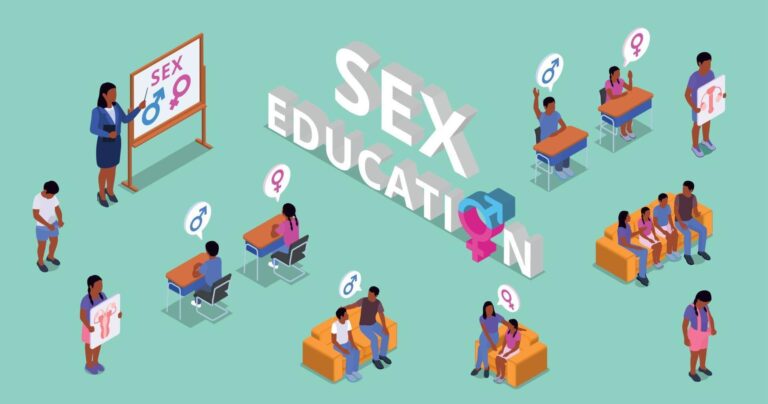
A Professor of Obstetrics and Gynaecology at the University of Ibadan (UI) College of Medicine, Ayodele Arowojolu, has stressed the need for governments, parents, and educators to provide comprehensive sexual education to adolescents.

Arowojolu, who made the call at the seventh Aina Omololu-Mulele Endowment lecture, said adolescents face numerous challenges, including the absence of sexual education and guidance, leading to rising cases of teenage pregnancy, unsafe abortions, drug abuse, sexual violence, and school dropouts. He noted that misinformation from peers and social media further exacerbates the situation.

The professor highlighted the importance of addressing substance use among adolescents, which contributes to risky sexual behaviour, poor academic performance, and mental health challenges such as depression and anxiety. Arowojolu emphasised that a multi-sectoral approach involving policymakers, educators, parents, healthcare providers, and community leaders is necessary to address these challenges.

Arowojolu blamed widespread myths and the reluctance of parents and schools to provide proper education for the continued misinformation among young people.

He called for the inclusion of sex education in school curricula, noting that when adolescents are given accurate information at health facilities, their uptake of family planning services improves significantly.
Beyond reproductive health, Arowojolu identified education and vocational training as vital tools for adolescent development. He noted that schooling delays early marriage, first births, and promotes gender equality.

“When adolescents are not engaged in education or skills acquisition, they tend to indulge in risky sexual behaviour, early marriage, and multiple childbearing, all of which perpetuate poverty and limit future opportunities,” he said.

The scholar also decried the lack of structured sex education in most African countries, unlike in Europe and parts of Asia, where comprehensive sexual programmes are integrated into school curricula.

He pointed out that controversies surrounding sex education in Africa, driven by religious and cultural sensitivities, continue to hinder its effectiveness.

The Provost of the College of Medicine, Prof. Ademola Oremosu, described the late Omololu-Mulele, in whose honour the lecture was held, as a philanthropist who impacted humanity.

Oremosu emphasised the need to bridge the gap between quality and practice to overcome the challenges faced by adolescents. The programme included the presentation of a N3 million Abiola Omololu-Mulele research grant award to a Senior Registrar at the Lagos University Teaching Hospital (LUTH), Dr Godwin Oyewumi.

NYSC warns against fraud in mobilisation of graduates for national service

0

As preparations begin for the 2025 Batch ‘C’ mobilisation, the National Youth Service Corps (NYSC) has restated its zero tolerance for any act of fraud in the mobilisation of graduates for national service.

Director-General of the NYSC, Brigadier General Olakunle Nafiu, who sounded the note of warning in Abuja, urged stakeholders not to allow the mobilisation process to suffer disrepute. He noted that over the years, the NYSC has earned public confidence for its transparent mobilisation process and would continue to sustain the credibility of the exercise by ensuring that the integrity of the human, technological, and material resources deployed for the activity remains solid.

General Nafiu said the theme of the workshop, “Enhancing Data Integrity for Credible Mobilisation for National Service in Contemporary Times,” was apt, considering the proliferation of unauthorized higher institutions in recent times.

He further stated that data manipulation and identity theft, inconsistent data from Corps Producing Institutions (CPIs), weak inter-agency data linkages, cybersecurity breaches, and low data management capacity are among the challenges militating against a credible mobilisation process.

He added that the activities of such unapproved study centres remain a major concern, as some of them operate under dubious affiliations with accredited institutions.
“NYSC will continue to apply sanctions wherever such unethical practices are discovered.

We must be conscious of the fact that the strength of our mobilisation system depends not only on technology but also on the ethics, discipline, and professionalism of those who handle the technology.

Let us continue to uphold the principles of transparency, accountability, and zero tolerance for compromise. Every Nigerian graduate who wears the NYSC uniform must be genuinely qualified and properly verified,” he said.

The Director, Corps Mobilisation Department, Mrs. Rachel Idaewor, in her address, said the workshop serves as a critical platform for collaboration among the NYSC, Corps Producing Institutions, and other stakeholders.

She enjoined participants to use the deliberations at the workshop and their individual roles to align with national policies and international best practices.

 “I therefore urge all participants to approach their responsibilities with diligence and integrity, ensuring that the information being uploaded is accurate and reflects the true profile of Prospective Corps Members.

Let us work together as a cohesive team, drawing inspiration from our past successes and embracing the challenges that lie ahead,” she added.

She urged Student Affairs Officers to always obtain their data from JAMB and not from students or other unreliable sources.

Similarly, in his contribution, the Chairman/Chief Executive of the Nigeria Education Repository and Databank (NERD), Mr Olatunji Ariyomo, said the agency would engage all stakeholders to ensure the effective implementation of its mandate as directed by the Federal Government.

Ogun First Lady, Ariyiike Dimples, and Others Inspire Girls to Discover Purpose and Identity

0

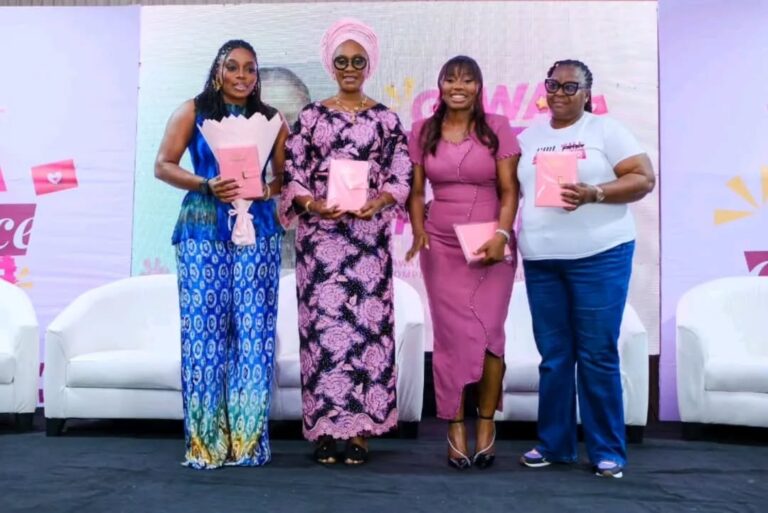
In a powerful gathering aimed at empowering young girls, women from diverse backgrounds came together to guide adolescents on discovering their identity, unlocking purpose, and pursuing their dreams. The event, the first edition of Girl Talk With Ariyiike (GTWA) Conference, was held at The Sanctuary, Eti-Osa, Lagos, and drew an audience eager for mentorship and guidance.

Organised by Nollywood actress Ariyiike Owolagba, popularly known as Ariyiike Dimples, the conference featured discussions on topics such as “Balancing Purpose and Ambition with Authenticity” and “Thriving in Purpose, Career, and Life”, among others. Speakers included Bamidele Abiodun, First Lady of Ogun State, Mojibade Sosanya, Adeton Adefajulo, and other prominent advocates for women and girls.

Reflecting on her journey, Owolagba shared how GTWA began nine years ago following the loss of her job at a TV station, inspiring her to create spaces that empower women and girls.

“I wanted to talk about things that impact women, sharing ideas, experiences, and opinions while creating a safe space for them. I started a podcast in 2016, which ended in 2018, and then I began GTWA. I went to schools to speak with girls, offered menstrual healthcare, and partnered with therapists to guide them. I shared sanitary towels and created a mentorship space. I did this for six years.”

She explained that in 2025, after years of hands-on mentoring and empowerment, she felt led to shift her focus to a larger conference, realizing that her struggles and losses had been part of God’s plan to redefine her sense of purpose.

“I had only N200 in my account when I got the vision for GTWA. God aligned everything—mentors, partners, and brands—to make this conference happen. It was a reminder that your achievements, family, friends, or education do not define you. Your essence and value, created by God, are what matter. You must search deep to uncover your identity.”

Owolagba also highlighted the tangible impact of GTWA: five girls have graduated under her mentorship program, and she plans to expand educational support with her partners. She stressed that menstrual hygiene and education for girls remain a priority, especially in areas where girls miss school during menstruation due to lack of access to sanitary products.

Beyond adolescent empowerment, Owolagba’s work extends to widows and military families, through initiatives like Cover by Tabitha, where she provides food and clothing, and Matto Homes Legacy, which honors her late father.

Speaking at the conference, Bamidele Abiodun, First Lady of Ogun State, reinforced the message of lifelong growth and learning:

“No age is too big to acquire a degree. It is never too late to learn, grow, or achieve your dreams. I’m living proof that you can keep evolving and achieving.”

The GTWA conference marked a significant milestone in mentoring and advocacy, providing young girls with guidance on self-discovery, resilience, and leadership, while celebrating women who continue to shape their communities through education, empowerment, and service.

This initiative signals a renewed commitment to nurturing the next generation of Nigerian girls, ensuring they are equipped to overcome societal barriers, embrace their identity, and pursue their dreams with confidence and faith.

Ogun First Lady, Ariyiike Dimples, and Others Inspire Girls to Discover Purpose and Identity

0

In a powerful gathering aimed at empowering young girls, women from diverse backgrounds came together to guide adolescents on discovering their identity, unlocking purpose, and pursuing their dreams. The event, the first edition of Girl Talk With Ariyiike (GTWA) Conference, was held at The Sanctuary, Eti-Osa, Lagos, and drew an audience eager for mentorship and guidance.

Organised by Nollywood actress Ariyiike Owolagba, popularly known as Ariyiike Dimples, the conference featured discussions on topics such as “Balancing Purpose and Ambition with Authenticity” and “Thriving in Purpose, Career, and Life”, among others. Speakers included Bamidele Abiodun, First Lady of Ogun State, Mojibade Sosanya, Adeton Adefajulo, and other prominent advocates for women and girls.

Reflecting on her journey, Owolagba shared how GTWA began nine years ago following the loss of her job at a TV station, inspiring her to create spaces that empower women and girls.

“I wanted to talk about things that impact women, sharing ideas, experiences, and opinions while creating a safe space for them. I started a podcast in 2016, which ended in 2018, and then I began GTWA. I went to schools to speak with girls, offered menstrual healthcare, and partnered with therapists to guide them. I shared sanitary towels and created a mentorship space. I did this for six years.”

She explained that in 2025, after years of hands-on mentoring and empowerment, she felt led to shift her focus to a larger conference, realizing that her struggles and losses had been part of God’s plan to redefine her sense of purpose.

“I had only N200 in my account when I got the vision for GTWA. God aligned everything—mentors, partners, and brands—to make this conference happen. It was a reminder that your achievements, family, friends, or education do not define you. Your essence and value, created by God, are what matter. You must search deep to uncover your identity.”

Owolagba also highlighted the tangible impact of GTWA: five girls have graduated under her mentorship program, and she plans to expand educational support with her partners. She stressed that menstrual hygiene and education for girls remain a priority, especially in areas where girls miss school during menstruation due to lack of access to sanitary products.

Beyond adolescent empowerment, Owolagba’s work extends to widows and military families, through initiatives like Cover by Tabitha, where she provides food and clothing, and Matto Homes Legacy, which honors her late father.

Speaking at the conference, Bamidele Abiodun, First Lady of Ogun State, reinforced the message of lifelong growth and learning:

“No age is too big to acquire a degree. It is never too late to learn, grow, or achieve your dreams. I’m living proof that you can keep evolving and achieving.”

The GTWA conference marked a significant milestone in mentoring and advocacy, providing young girls with guidance on self-discovery, resilience, and leadership, while celebrating women who continue to shape their communities through education, empowerment, and service.

This initiative signals a renewed commitment to nurturing the next generation of Nigerian girls, ensuring they are equipped to overcome societal barriers, embrace their identity, and pursue their dreams with confidence and faith.