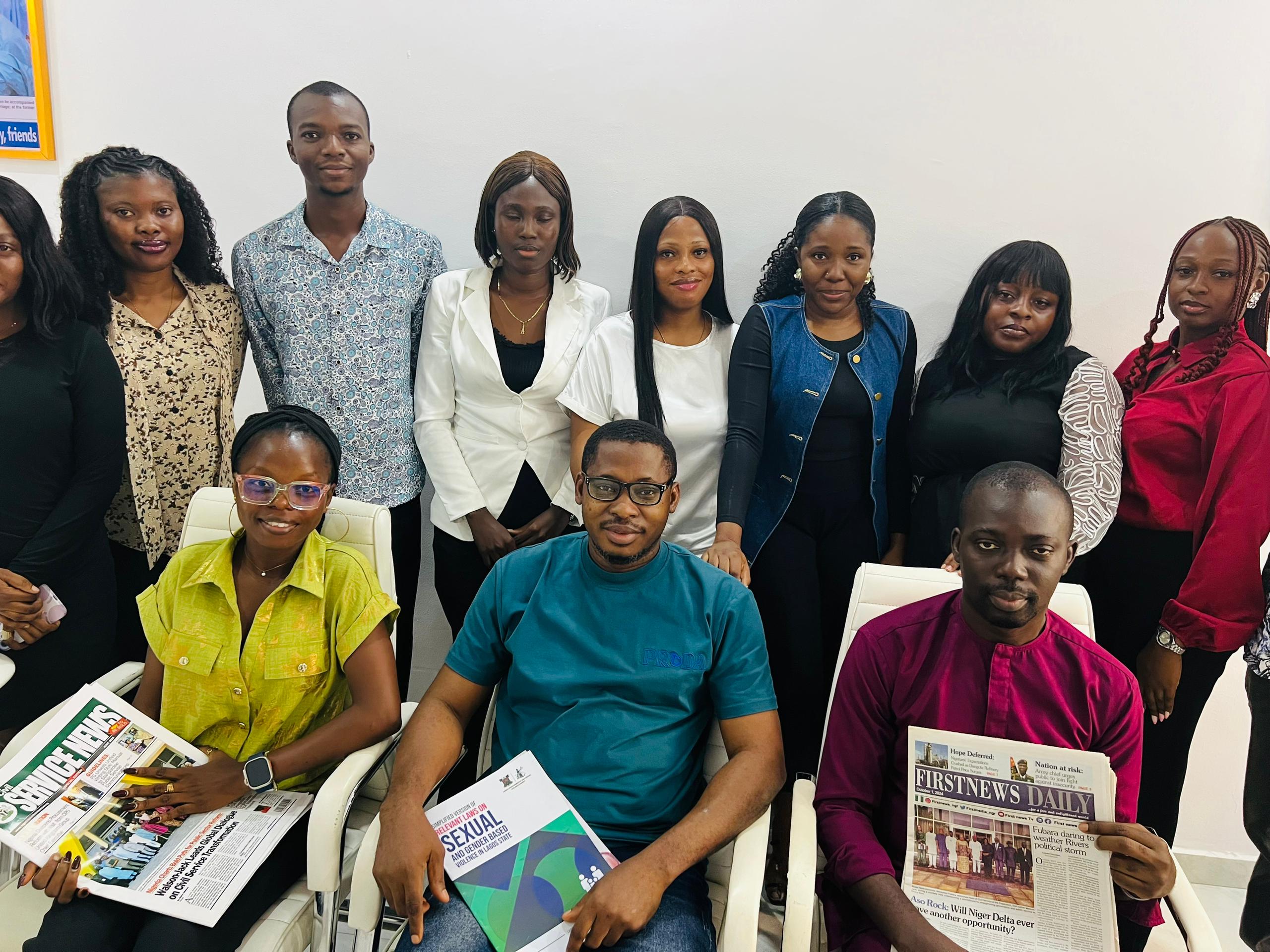
The Women’s Rights and Health Project (WRAHP), managers of the Ireti Resource Centre, has trained media professionals in Lagos and Edo States on ethical, survivor-centred reporting of Sexual and Gender-Based Violence (SGBV) cases, with a strong focus on accuracy, follow-up, documentation, and safeguarding.
The training was conducted under WRAHP’s ongoing project, “Scaling up Access to Justice–Related Social Services for Women and Girls Survivors of Sexual and Gender-Based Violence (SGBV) in Lagos and Edo States,” with support from the Rule of Law and Anti-Corruption Programme (RoLAC II).
A total of 20 journalists and media representatives from various media organisations across Lagos and Edo States participated in the capacity-building sessions. The programme was designed to strengthen the media’s role in promoting justice for survivors by improving the quality of reporting while upholding ethical standards, human rights principles, and survivor dignity.
Speaking during the training, Executive Director of WRAHP, Mrs. Bose Ironsi, highlighted the influential role of the media in shaping public understanding of SGBV and driving accountability within communities and institutions.
“The media plays a powerful role in shaping public perception, influencing accountability, and amplifying survivors’ voices. Ethical, accurate, and sensitive reporting is essential to ensuring that survivors are protected, supported, and empowered rather than retraumatised,” she said.
The training sessions covered key thematic areas, including an in-depth understanding of sexual and gender-based violence and its social and psychological impact, as well as Nigeria’s legal and policy frameworks for addressing SGBV. Participants were also taken through the ethical standards and professional responsibilities of journalists when reporting SGBV cases, with emphasis on confidentiality, consent, and non-sensationalism.
In addition, journalists were trained on safeguarding principles and protection from Sexual Exploitation, Abuse, and Harassment (PSEAH), alongside practical skills in case documentation, follow-up reporting, fact-checking, and responsible handling of sensitive survivor information. Sessions also explored ways to strengthen collaboration between the media, justice sector actors, health service providers, and civil society organisations to ensure survivors receive holistic support.
As part of the programme, participants developed practical action plans tailored to their respective media platforms and communities. These action plans are expected to guide responsible, ethical, and sustained media engagement in raising awareness, challenging harmful norms, and contributing to the prevention and response to SGBV.
The training underscores WRAHP’s continued commitment to strengthening systems and stakeholders that support survivors’ access to justice, while positioning the media as a critical ally in the fight against sexual and gender-based violence in Nigeria.