
On Wednesday, May 28, 2026, civil society organisations, health advocates, and development groups marked Menstrual Hygiene Day with renewed calls for stronger action to address period poverty and improve access to menstrual health support for girls and women across Nigeria.
The organisations raised concerns over the growing number of girls who still struggle to afford sanitary products, access proper menstrual hygiene information, and manage their periods with dignity, especially in underserved and low-income communities.
At a time when inflation and rising living costs continue to affect vulnerable households, advocates say menstrual products are becoming increasingly unaffordable for many families, forcing some girls to miss school or resort to unsafe alternatives during their menstrual cycle.
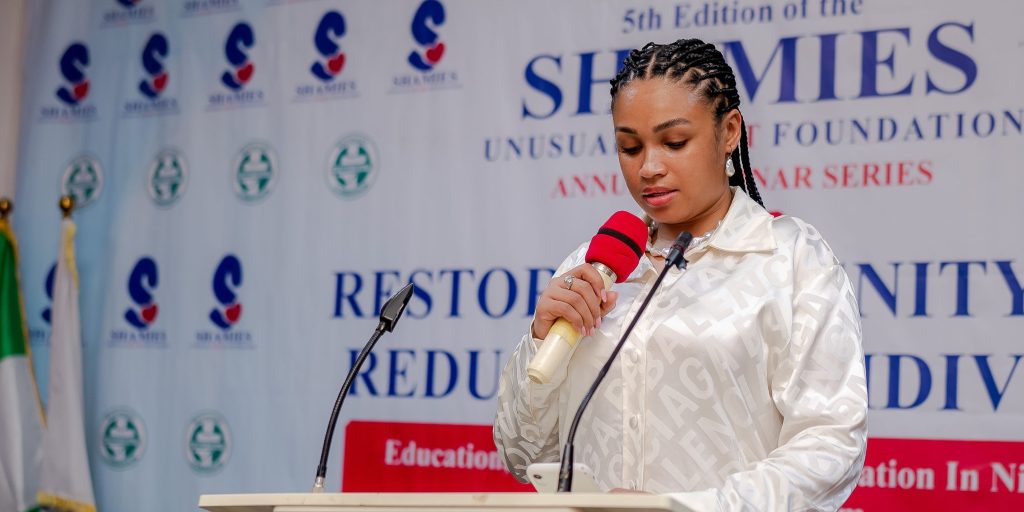
Speaking during the commemoration activities, stakeholders emphasised that period poverty goes beyond the lack of sanitary pads and also includes limited access to menstrual education, sanitation facilities, healthcare support, and safe spaces for girls to manage menstruation without shame or stigma.
As part of the activities to mark the day, organisations distributed one-year menstrual hygiene support packs and dignity kits to 100 disadvantaged girls and women to help improve menstrual hygiene management and reduce the burden many families currently face.
Advocates noted that despite increasing awareness around menstrual health, many girls across Nigeria still experience discrimination, embarrassment, and misinformation linked to menstruation, especially in rural and underserved communities.
They also stressed the need for stronger government policies, increased investment in menstrual health education, affordable sanitary products, and improved water, sanitation, and hygiene facilities in schools and communities.
According to global health organisations, millions of girls and women worldwide still lack access to proper menstrual hygiene support, with period poverty continuing to affect education, confidence, health, and participation in everyday activities.
Stakeholders called for greater collaboration between government agencies, schools, private sector organisations, and civil society groups to ensure that menstrual health is treated as both a public health and human dignity issue.
They added that ending period poverty is not only about providing sanitary products, but also about creating systems where girls can learn, grow, and participate fully in society without shame or barriers linked to menstruation.